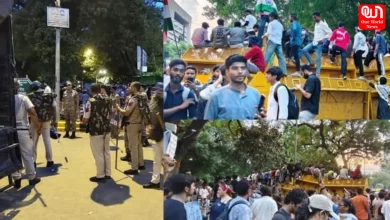
Bengal Elections Phase 2 Voting Highlights: Record 92.47% Turnout Marks Historic Democratic Surge
Bengal Elections Phase 2 Voting Highlights show record 92.47% turnout, reflecting massive voter participation and historic democratic engagement.


Bengal Elections Phase 2 Voting Highlights: Bengal Records 92.47% Voter Turnout in Two-Phase Elections, Signaling Massive Public Participation
The Bengal Elections Phase 2 Voting Highlights have captured national attention as West Bengal recorded an unprecedented 92.47% voter turnout across two phases, marking the highest participation since Independence. This remarkable figure reflects not only the political intensity of the elections but also the deep-rooted democratic engagement among the people of the state.
The second phase of polling, which covered 142 crucial constituencies, witnessed a turnout of over 91%, contributing significantly to the overall record. From early morning queues at polling booths to enthusiastic participation across urban and rural regions, voters demonstrated a strong commitment to shaping the future of the state.
Massive Voter Participation Across Key Regions
The second phase focused on politically significant districts such as Kolkata, Howrah, Nadia, Hooghly, and South 24 Parganas. These regions are traditionally considered electoral strongholds and battlegrounds, making voter turnout here especially critical.
Reports indicated that voters began lining up outside polling stations even before voting officially began, highlighting the eagerness to participate. Women voters also played a crucial role, with participation rates slightly surpassing male turnout in several constituencies, reinforcing inclusive democratic involvement.
This surge in participation reflects a broader trend seen in the first phase as well, where turnout exceeded 93%, setting the tone for what would become a historic election cycle.
Read more: India To Launch First Commercial Seaplane Service With Lakshadweep As The Starting Point
Political Significance of the High Turnout
The Bengal Elections Phase 2 Voting Highlights are not just about numbers—they carry deep political implications. The high turnout is being interpreted by political parties as a sign of strong public sentiment and possible shifts in voter preferences.
The election primarily witnessed a fierce contest between the ruling Trinamool Congress (TMC) and the Bharatiya Janata Party (BJP), with both parties investing heavily in campaigning. Key constituencies such as Bhabanipur remained in the spotlight due to high-profile candidates and symbolic political battles.
Prime Minister Narendra Modi described the record turnout as a “harbinger of change,” suggesting that such large-scale participation often indicates a desire for political transformation. However, the final interpretation will depend on the election results.
Challenges and Controversies During Voting
Despite the overall success in terms of turnout, the elections were not without challenges. There were reports of sporadic violence and allegations of irregularities in certain areas.
Additionally, concerns were raised by political leaders regarding the conduct of central security forces. These issues added tension to an already high-stakes electoral environment.
The Election Commission of India (ECI) maintained vigilance throughout the process and indicated that repolling could be conducted in select booths where irregularities were observed.
Why This Turnout Matters for Democracy
A turnout of 92.47% is not just a statistic—it represents one of the most vibrant displays of democratic participation in India’s electoral history. Such high engagement indicates:
- Strong voter awareness and political consciousness
- Increased trust in the electoral process
- Active involvement across age groups and communities
Even the Supreme Court recently highlighted that high voter turnout is a “true sign of democracy,” reinforcing the importance of citizen participation in governance.
What Comes Next?
With voting now concluded, attention shifts to the counting day and eventual results. The high turnout has made predictions more complex, as increased participation often introduces unpredictability in electoral outcomes.
Exit polls and early analyses suggest a competitive contest, but the final verdict will ultimately reflect the collective voice of millions of voters who participated in these historic elections.
read more: Narendra Modi Football Sikkim: PM Modi Plays Football With Youngsters After West Bengal Campaign
Conclusion
The Bengal Elections Phase 2 Voting Highlights underscore a defining moment in India’s democratic journey. With a record-breaking 92.47% voter turnout, West Bengal has set a new benchmark for electoral participation.
Beyond political outcomes, this election will be remembered for the enthusiasm, determination, and civic responsibility displayed by its voters. Whether signaling change or continuity, one thing is certain—the people of Bengal have made their voices heard louder than ever before.
We’re now on WhatsApp. Click to join.
Like this post?
Register at One World News to never miss out on videos, celeb interviews, and best reads.