
First LNG Shipment Crosses Strait Of Hormuz: A Turning Point in Global Energy Routes
First LNG Shipment Crosses Strait Of Hormuz marks a key shift in global energy flow after West Asia war disrupted critical oil and gas routes.

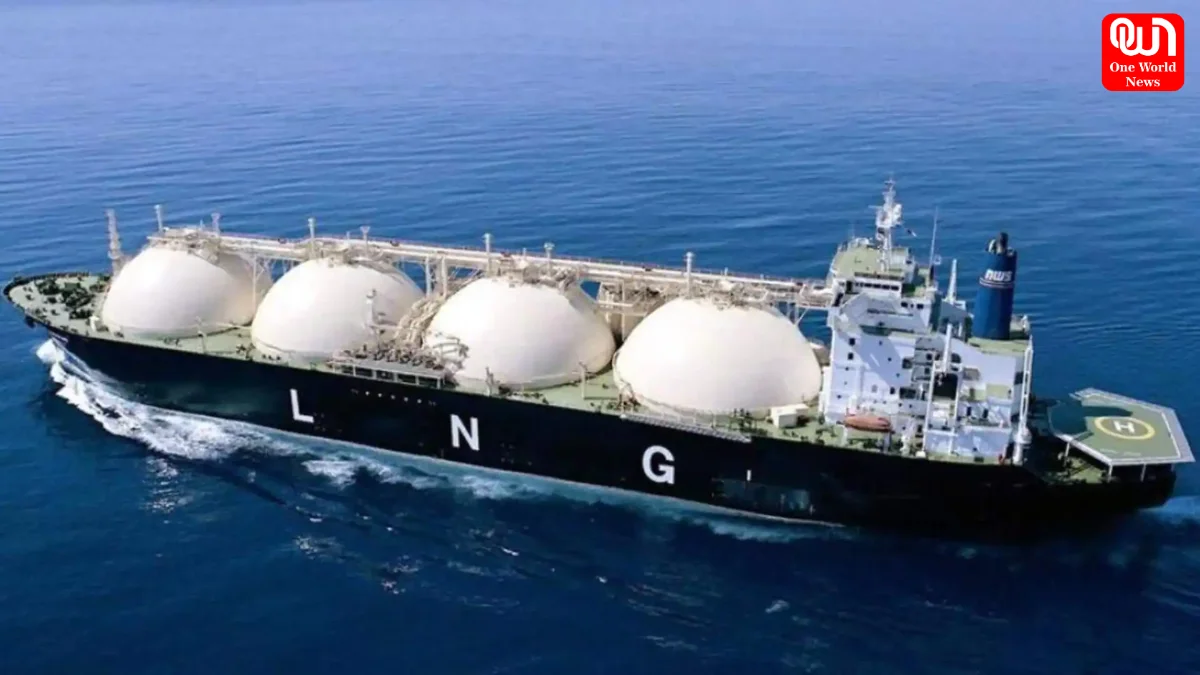
First LNG Shipment Crosses Strait Of Hormuz Since West Asia War Began, Signaling Possible Shift in Global Energy Supply Chains
The global energy market may be witnessing a critical turning point as the First LNG Shipment Crosses Strait Of Hormuz since the outbreak of the West Asia war earlier this year. This development comes after weeks of extreme disruption in one of the world’s most strategic maritime chokepoints, raising cautious optimism among energy analysts and global markets.
The shipment, reportedly carried by an LNG tanker linked to Abu Dhabi’s energy network, successfully navigated the highly volatile Strait after months of near-total blockade conditions. According to ship-tracking data, the vessel has already moved past the Arabian Sea and is heading toward Asia, likely targeting major import markets such as China or India.
read more: World MotorCycle Day 2026: Celebrating Freedom, Speed & Passion on Two Wheels
Why the Strait of Hormuz Matters
The Strait of Hormuz is not just another shipping lane—it is a lifeline for global energy supplies. Roughly 20% of the world’s oil and liquefied natural gas (LNG) typically passes through this narrow corridor connecting the Persian Gulf to the Arabian Sea.
Since the conflict began in late February 2026, maritime traffic through the strait has dropped dramatically. Daily ship movements plunged from around 125–140 vessels to single-digit numbers at times, reflecting the severity of geopolitical tensions and military restrictions.
This sharp decline triggered global concerns over energy shortages, price volatility, and supply chain disruptions—especially for countries heavily dependent on LNG imports.
The Impact of the West Asia War on LNG Trade
The ongoing conflict between Iran, the United States, and regional allies has effectively transformed the Strait of Hormuz into a high-risk zone. Naval blockades, vessel seizures, and military strikes have discouraged shipping companies from operating in the area.
At one point, no fully loaded LNG tanker had successfully crossed the strait, with only empty vessels or limited cargo ships attempting passage.
Shipping companies adopted extreme measures to navigate the risks, including:
- Turning off tracking systems to avoid detection
- Broadcasting false identities
- Taking longer alternative routes
Despite these efforts, most operators chose to avoid the region entirely due to safety and insurance concerns.
Read more: IIFL Finance Gold Loan Highlights the Growing Demand for Secure, Fast Credit Solutions
What Makes This LNG Shipment Significant
The successful transit of this LNG shipment is significant for several reasons:
1. First Confirmed Loaded Cargo Movement
Unlike earlier attempts involving empty or partially loaded vessels, this shipment appears to be the first fully loaded LNG cargo to cross since the war began.
2. Signal of Possible Easing Tensions
While the geopolitical situation remains fragile, this crossing suggests that controlled or selective passage through the strait may be resuming.
3. Boost to Global Energy Confidence
Energy markets closely watch such developments. Even a single successful transit can influence market sentiment, stabilize prices, and encourage more shipments.
Risks Still Remain High
Despite this breakthrough, experts warn against overestimating its significance. The Strait of Hormuz continues to be a conflict zone with unpredictable risks.
Recent incidents highlight ongoing dangers:
- Vessel seizures by Iranian forces
- U.S. naval interceptions and blockades
- Attacks on commercial ships
Additionally, shipping traffic remains far below normal levels, and many global carriers are still reluctant to resume operations in the region.
What This Means for India and Asia
For energy-importing nations like India, Japan, and China, the reopening—however limited—of the Strait of Hormuz is crucial. LNG plays a key role in powering industries, electricity generation, and urban infrastructure.
India, in particular, stands to benefit directly if LNG flows normalize, as the country relies heavily on imports from Gulf nations. The reported movement of this tanker near India’s western coast further underscores the region’s strategic importance.
The Road Ahead
While the headline “First LNG Shipment Crosses Strait Of Hormuz” offers hope, it does not yet signal a full return to normalcy. Instead, it represents an early indicator of potential stabilization—one that depends heavily on diplomatic progress and security assurances.
For now, global energy markets remain on edge. Future LNG shipments, insurance conditions, and geopolitical negotiations will determine whether this event becomes a turning point—or just a brief moment of relief in an ongoing crisis.
Read more: World Rainforest Day 2026: Protecting Earth’s Lungs for a Sustainable Future
Conclusion
The successful passage of the first LNG shipment through the Strait of Hormuz since the West Asia war began is a milestone event with far-reaching implications. It highlights both the resilience of global energy logistics and the fragility of geopolitical stability.
As the world watches closely, one thing is clear: the Strait of Hormuz remains not just a trade route, but a barometer of global economic and political health.
We’re now on WhatsApp. Click to join.
Like this post?
Register at One World News to never miss out on videos, celeb interviews, and best reads.