Rethinking Ad Creative Iteration Through Banana Pro
The emergence of generative tools has fundamentally altered this pipeline. However, simply generating an image is not the same as shipping an ad.

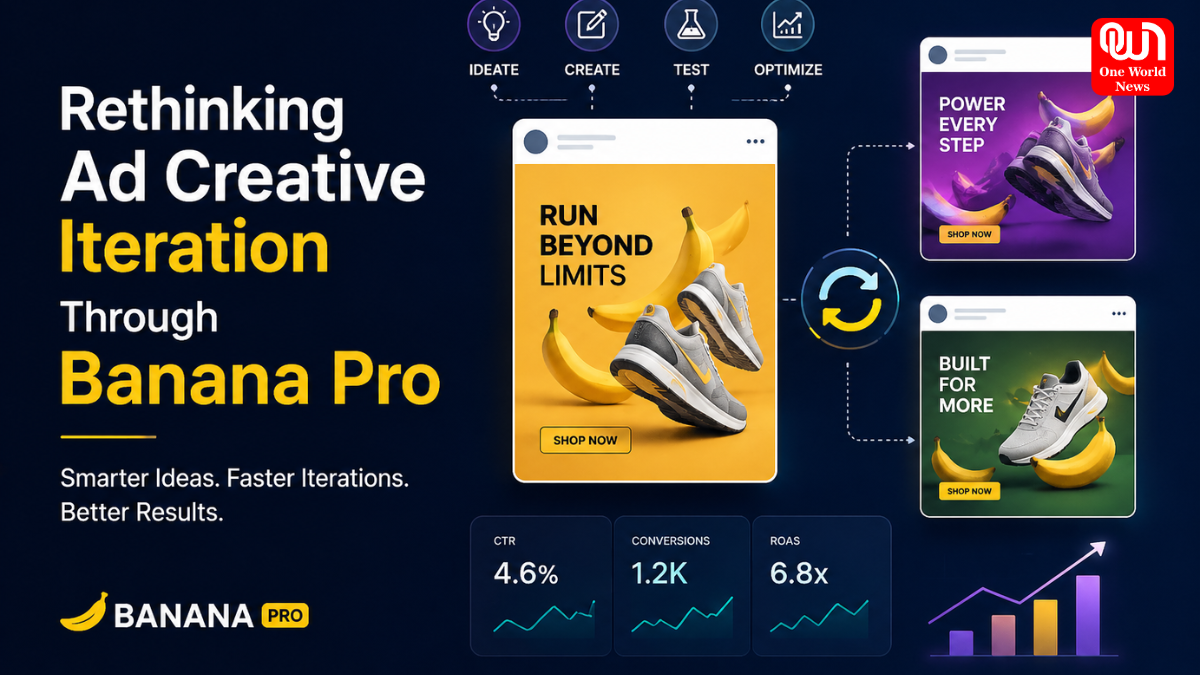
The traditional lifecycle of a digital ad creative used to be measured in weeks. A concept would move from a strategy brief to a mood board, then to a designer, through multiple rounds of feedback, and finally into a production environment. For performance marketers today, that timeline is a liability. Social platforms and algorithmic feeds have shifted the requirement from high-production singular assets to high-volume iterative testing. In this environment, the bottleneck is rarely the media budget; it is the speed of creative production.
The emergence of generative tools has fundamentally altered this pipeline. However, simply generating an image is not the same as shipping an ad. Marketers need control, repeatability, and the ability to pivot styles without starting from zero. This is where Banana Pro has carved out a specific niche for professional workflows. By integrating a canvas-based approach with varied model options, it moves the conversation away from “AI as a toy” toward AI as a core component of the creative operations stack.
The Shift from Static Assets to Iterative Loops
Performance marketing relies on the ability to test hypotheses. Does a product perform better in a lifestyle setting or a minimalist studio environment? Does a bright orange background outperform a muted pastel? Previously, testing these variables meant physical photoshoots or extensive Photoshop hours. With tools like Banana AI, these questions can be answered in minutes.
The goal is not to replace the creative director but to unburden them from the mechanical task of manual versioning. When a marketing team uses an AI Image Editor within an integrated workflow, they are essentially building a modular asset library. They can take a single winning product shot and re-contextualize it for a dozen different audience segments. This level of granular targeting was historically too expensive for anyone but the largest enterprise brands. Now, it is the standard for any team looking to maintain a competitive return on ad spend (ROAS).
Operationalizing Nano Banana Pro in High-Volume Workflows
Efficiency in ad creative is often found in the “middle ground”—the space between a rough idea and a polished final asset. Using Nano Banana Pro allows teams to bridge this gap by focusing on rapid prototyping. Unlike models that prioritize purely artistic or abstract outputs, the focus here is on structural integrity and usable compositions that align with marketing layouts.
When a creator initiates a project, they aren’t just looking for a pretty picture; they are looking for an asset that respects the rule of thirds, leaves room for copy overlays, and maintains a consistent visual language. The workflow often involves generating a base scene and then using image-to-image transformations to refine the aesthetic. This prevents the “creative drift” that often occurs when jumping between disparate tools or disconnected models.
However, it is important to maintain a level of skepticism regarding the “one-click” promise often touted in the industry. Even with advanced models, achieving exact brand consistency—such as a specific hex code for a corporate logo or a unique product shape—remains a challenge. Marketers often find that while the AI handles 80% of the heavy lifting, the final 20% still requires human intervention in a traditional design suite or through meticulous localized editing within the platform’s canvas.
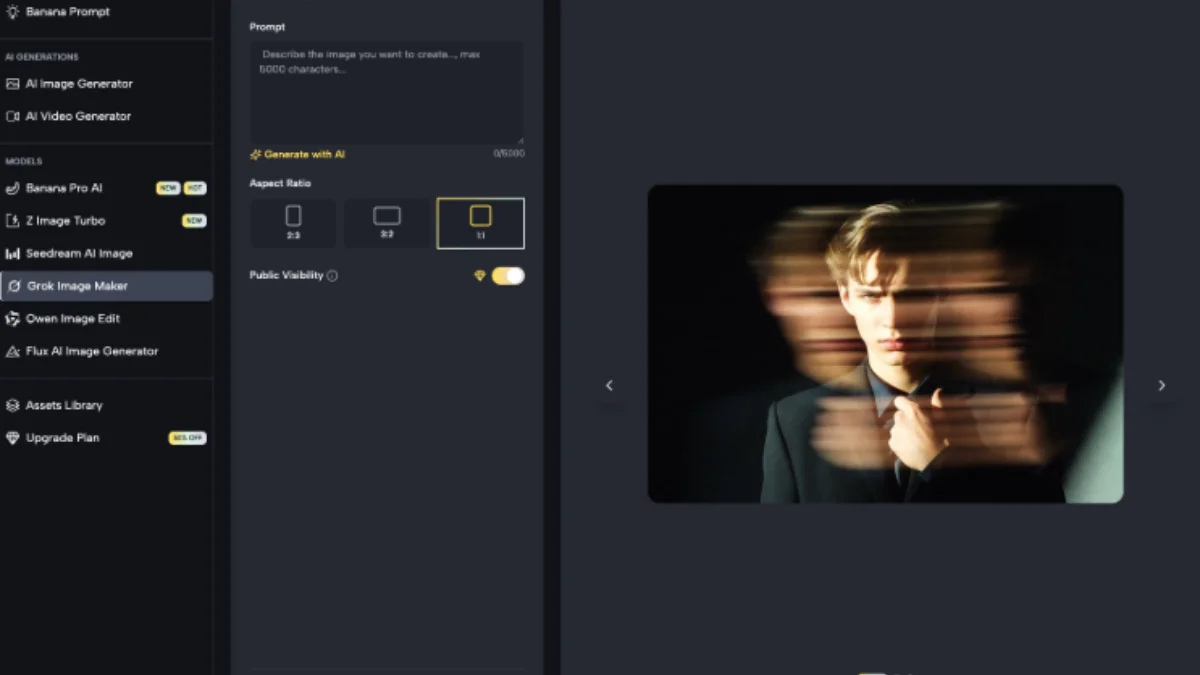
The Power of the Canvas Workflow
One of the most significant hurdles in standard generative AI is the “black box” nature of prompting. You put text in, you get an image out, but you have limited control over specific quadrants of that image. The Canvas Workflow within the current ecosystem changes this by allowing for spatial awareness.
Marketers can layer elements, mask specific areas for regeneration, and expand backgrounds to fit different aspect ratios (such as shifting a 1:1 Instagram post to a 9:16 TikTok story) without distorting the primary subject. This is where the term Nano Banana becomes relevant in a production context—it represents a leaner, faster approach to generation that doesn’t sacrifice the underlying quality needed for digital displays.
Read More: Sony Increases PS5 And Portal Prices Globally – Here’s What You Need To Know
Video Generation as a Performance Lever
While static imagery remains the backbone of many campaigns, video is the undisputed leader in engagement across platforms like Meta and YouTube. Transitioning a static concept into a motion asset used to require a separate team or a specialized skill set. By utilizing the video generation capabilities within the suite, marketers can take their successful static images and animate them.
This isn’t about creating a feature film; it’s about “scroll-stoppers.” Adding subtle motion to a background, creating a cinematic zoom on a product, or generating a short atmospheric clip can significantly lower the cost per click (CPC). The integration of text-to-video and image-to-video tools means that the transition from a winning static ad to a winning video ad is now a matter of clicks rather than a new production budget.
Navigating the Limitations of Generative Media
An honest assessment of these tools requires acknowledging where they currently fall short. One primary area of uncertainty is “text within images.” While models are improving, generating an image that includes perfect, brand-specific typography is still hit-or-miss. For most professional marketers, the best practice is to generate the visual asset using an AI Image Editor and then overlay the marketing copy using a vector-based design tool.
Furthermore, the “hallucination” of physics in video generation remains a factor. An AI-generated video of a liquid being poured or a person walking might occasionally defy the laws of gravity or anatomy. For high-stakes brand campaigns, this requires a rigorous quality assurance (QA) process. You cannot simply set an automated pipeline and walk away; the “human-in-the-loop” remains the most critical part of the creative process to ensure that the final output doesn’t veer into the “uncanny valley.”
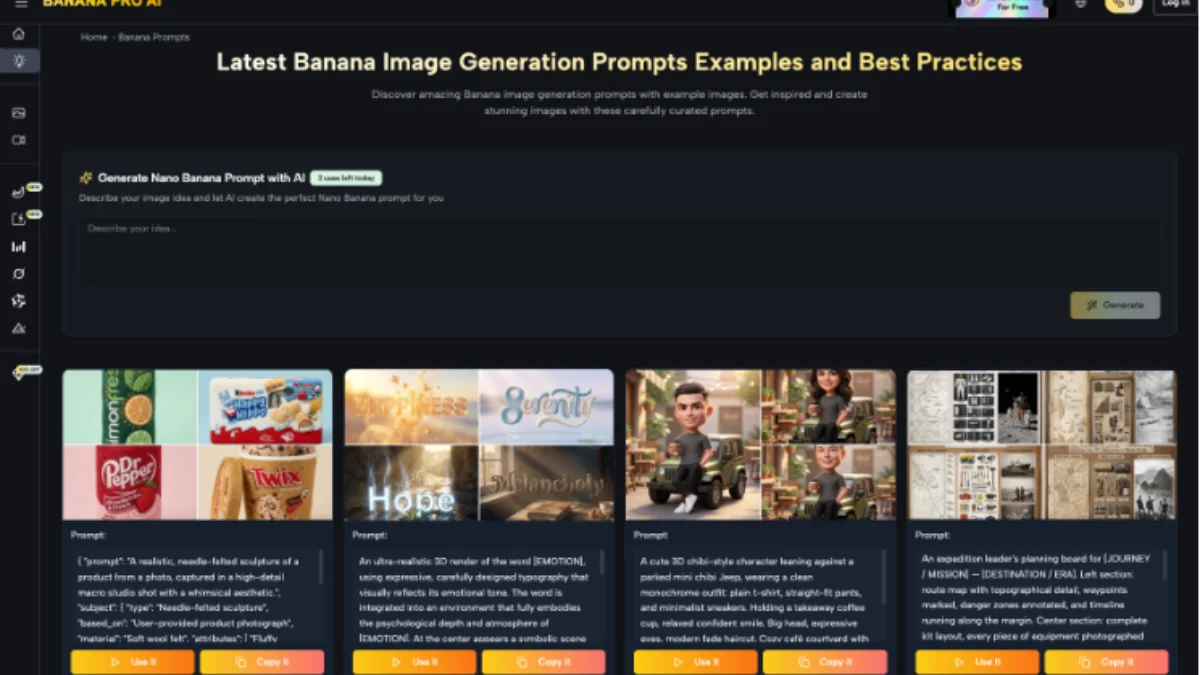
A/B Testing at Scale with Banana AI
The true value of a tool like Banana AI is realized during the testing phase. Consider a campaign for a new beverage. A marketer might test:
- The product on a beach at sunset.
- The product on a modern kitchen counter.
- The product being held by a hand in a vibrant, stylized city setting.
Generating these three distinct environments manually would take a photographer a full day. In a generative workflow, these are simply three different prompts using the same source image of the bottle. By deploying all three simultaneously, the marketer can let the data decide which direction to pursue. Once a winner is identified, they can use the platform to generate twenty more variations of that specific winning concept—varying the lighting, the background colors, or the peripheral props—to stave off creative fatigue in the ad account.
Creative Operations and the New Talent Profile
As these tools become more integrated, the profile of the “ideal” digital marketer is shifting. It is no longer enough to just understand data and distribution; one must also understand “creative orchestration.” This involves knowing which model to use for which task—whether it’s a high-detail generation or a quick Nano Banana iteration for a temporary social post.
The organizational benefit is a reduction in “friction.” When the person running the ads also has the tools to tweak the creative, the feedback loop is closed. They no longer have to wait for the creative department to return a “re-sized” version of an image. They can perform that task themselves within the workflow studio, allowing the design team to focus on higher-level brand strategy and complex assets that AI cannot yet master.
Conclusion: Grounding Expectations in Practicality
The integration of Banana Pro into a marketing workflow is not a magical solution that eliminates the need for creative thinking. Instead, it is a force multiplier for teams that already have a strong grasp of their audience and their brand identity. The speed at which a team can move from a hypothesis to a live, multi-variant ad campaign is the new metric of success.
By focusing on tools that offer canvas-level control and multi-model flexibility, marketers can navigate the complexities of modern digital advertising without being slowed down by legacy production hurdles. The future of ad creative is iterative, data-informed, and increasingly generated—but it remains firmly guided by the strategic judgment of the person behind the prompt. Whether you are using a high-end AI Image Editor or a rapid-iteration model like Nano Banana, the goal remains the same: shipping better creative, faster, and more efficiently than the competition.
We’re now on WhatsApp. Click to join.
Like this post?
Register at One World News to never miss out on videos, celeb interviews, and best reads.