Samay Raina, Mukesh Khanna Row: “Tu Gadhe Par Baithne Layak Hai” Sparks Controversy
Samay Raina and Mukesh Khanna clash as “Tu Gadhe Par Baithne Layak Hai” remark goes viral, sparking debate over comedy limits.

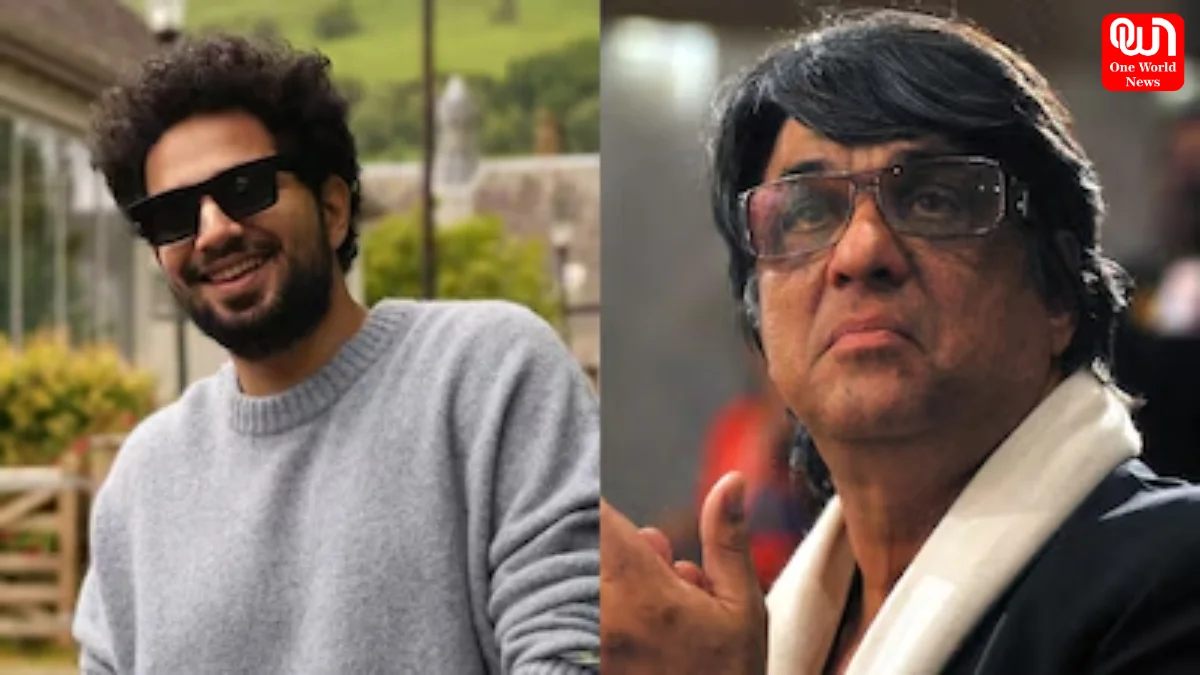
Samay Raina vs Mukesh Khanna: “Tu Gadhe Par Baithne Layak Hai” Remark Ignites Fresh Debate Over Comedy and Freedom of Expression
The ongoing controversy between Samay Raina and Mukesh Khanna has taken a sharp and dramatic turn, with the veteran actor launching a scathing attack on the comedian. The remark “Tu gadhe par baithne layak hai” has now gone viral, reigniting debates around comedy, criticism, and freedom of expression in India.
The conflict stems from Samay Raina’s recent comeback stand-up special titled Still Alive, where he addressed past controversies, critics, and public figures. During his performance, Raina took indirect jabs at Mukesh Khanna, questioning his stance during earlier controversies, particularly related to the show India’s Got Latent. This did not sit well with Khanna, who responded strongly on social media.
Mukesh Khanna, best known for portraying the iconic superhero Shaktimaan, reacted with a harsh Instagram post. He shared an edited image depicting Samay Raina sitting on a donkey with his face blackened, accompanied by the statement: “Samay Raina tu sirf gadhe par baithne ke layak hai.”
In addition to the image, Khanna posted a lengthy caption filled with sharp criticism. He compared Raina to a “crooked dog’s tail,” suggesting that no matter how much one tries to correct him, he remains unchanged. The actor further expressed anger over what he perceived as disrespect toward his legacy and the character of Shaktimaan.
Read more: Samantha Ruth Prabhu Birthday 2026: Celebrating the Star’s Inspiring Journey
The controversy quickly escalated as the post gained traction across social media platforms. Supporters of Mukesh Khanna argued that comedians should exercise responsibility, especially when referencing cultural icons that have influenced generations. On the other hand, fans of Samay Raina defended his right to creative expression, emphasizing that stand-up comedy often thrives on satire, exaggeration, and bold commentary.
This clash is not happening in isolation. It is deeply rooted in the earlier India’s Got Latent controversy, which had already sparked nationwide debate over the boundaries of humor. Raina’s show had faced backlash for its edgy and dark comedic content, with several public figures, including Mukesh Khanna, criticizing it for allegedly promoting inappropriate humor among youth.
In his comeback special, Samay Raina appeared unapologetic. He addressed critics head-on and defended his style of comedy, suggesting that being “clean” or overly cautious does not align with his authentic voice. His remarks about Shaktimaan and its impact on children added fuel to the fire, prompting Khanna’s aggressive response.
The situation highlights a larger cultural debate in India—where should the line be drawn between humor and offense? While comedians like Samay Raina argue for creative freedom, veterans like Mukesh Khanna stress the importance of responsibility, especially when addressing mass audiences.
Social media reactions have been sharply divided. Some users have criticized Khanna for using extreme language and personal attacks, suggesting that such reactions only amplify the controversy. Others believe that Raina’s comments crossed a line and warranted a strong response.
Interestingly, controversies like this often benefit both parties in terms of visibility. While Mukesh Khanna’s post has brought him back into trending conversations, Samay Raina’s special Still Alive has also gained significant attention due to the backlash and discussions surrounding it.
read more: Unforgettable Moments at Koyna Daulat Dongri Festival 2026
At its core, the “Tu Gadhe Par Baithne Layak Hai” remark is more than just an insult—it represents the growing tension between traditional values and modern comedic expression. As digital platforms continue to evolve, such clashes are likely to become more frequent.
Whether this controversy will settle soon or escalate further remains to be seen. However, it has undoubtedly sparked an important conversation about the limits of humor, respect for public figures, and the ever-changing dynamics of entertainment in India.
We’re now on WhatsApp. Click to join.
Like this post?
Register at One World News to never miss out on videos, celeb interviews, and best reads.