First Kitchen, Now Bedroom? India Condom Industry Feels Heat Of US-Iran Conflict
India Condom Industry faces rising costs and shortages as the US-Iran Conflict disrupts supply chains, impacting production and prices.

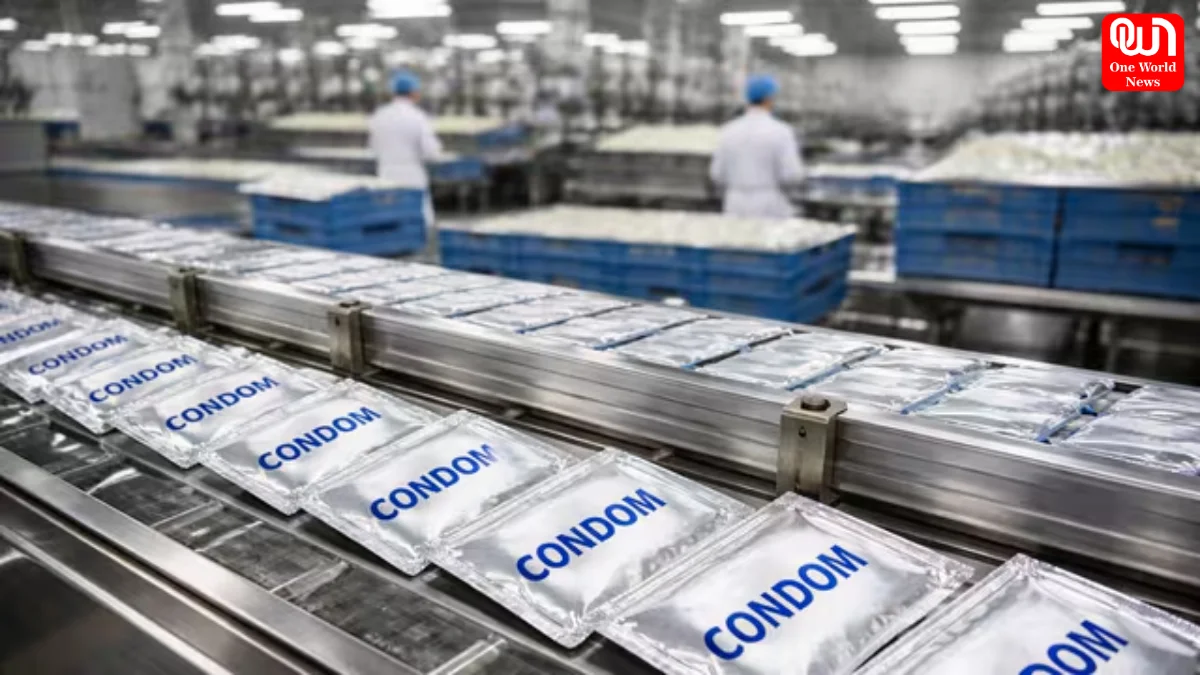
First Kitchen, Now Bedroom? How the India Condom Industry Is Being Hit by the US-Iran Conflict and Rising Supply Chain Crisis
The ripple effects of the US-Iran Conflict are now reaching unexpected corners of the Indian economy. After disrupting fuel supplies and raising cooking costs in Indian households, the crisis is now impacting a far more private space—the bedroom. The India Condom Industry, valued at nearly $860 million, is facing a growing crisis as global supply chains strain under geopolitical tensions.
Read more: West Bengal Elections 2026: How ‘Street Fighter’ Mamata Banerjee Channeled Her ‘Didi’ Power
From Kitchen Crisis to Bedroom Impact
India has already been grappling with rising fuel prices due to disruptions in the Middle East. The closure of critical routes like the Strait of Hormuz and rising crude oil prices have triggered inflation across sectors.
This energy shock first hit kitchens, making LPG cylinders expensive and scarce. Now, the same supply chain disruptions are affecting industries dependent on petrochemicals—including condom manufacturing.
Why the India Condom Industry Is Under Pressure
The India Condom Industry relies heavily on key raw materials such as latex, ammonia, and silicone oil. These components are essential for production and quality. However, due to the US-Iran Conflict, global supply chains for petrochemicals have been severely disrupted.
Ammonia is used to stabilize latex during production, while silicone oil is applied as a lubricant. Recent reports suggest that ammonia prices have surged by up to 40–50%, while silicone oil is in short supply globally.
As a result, manufacturers are struggling to maintain production levels without significantly increasing costs.
Rising Costs, Shrinking Margins
India’s condom market operates on a high-volume, low-margin model. Companies like HLL Lifecare, Mankind Pharma, and Cupid Ltd produce billions of units annually, often at very low prices to ensure affordability.
However, with raw material prices rising sharply, this model is under serious threat. Manufacturers now face a difficult choice:
- Absorb rising costs and reduce profits
- Or pass the cost on to consumers, risking reduced demand
Either way, the industry faces instability.
Risk of Price Hikes and Shortages
Experts warn that India could soon witness higher condom prices and even temporary shortages. Production slowdowns due to raw material scarcity may reduce supply in the market.
This could have broader public health implications. Condoms are not just consumer products—they are critical tools for family planning and disease prevention. Any disruption in availability or affordability could impact national health programs.
A Hidden Public Health Concern
India produces over 400 crore condoms annually, supporting both domestic demand and government distribution programs.
A disruption in this supply chain could affect:
- Population control efforts
- HIV/AIDS prevention programs
- Affordable contraceptive access in rural areas
Given that condom usage in India is already relatively low compared to other methods, any further disruption could reverse years of progress.
The Global Conflict, Local Consequences
The US-Iran Conflict highlights how deeply interconnected global economies have become. A geopolitical crisis thousands of kilometers away is now influencing intimate aspects of daily life in India.
From fuel shortages in kitchens to rising costs in the India Condom Industry, the cascading effects are clear. Industries dependent on petrochemicals are particularly vulnerable, and condoms are just one example of how essential goods can be impacted.
What Lies Ahead?
If the conflict continues, the pressure on supply chains may intensify. Industry experts warn that prolonged disruptions could lead to:
- Sustained price increases
- Reduced manufacturing output
- Increased reliance on imports
To counter this, companies may need to explore alternative suppliers, local sourcing strategies, or technological innovations to reduce dependency on volatile inputs.
Read more: Political Roundup: Top Global Political Headlines You Need to Know Today
Conclusion
The phrase “First Kitchen, Now Bedroom” perfectly captures the expanding impact of the US-Iran Conflict on India. What began as an energy crisis has now evolved into a broader economic challenge, affecting even the most personal aspects of life.
The India Condom Industry stands as a stark example of how global tensions can disrupt essential goods. As costs rise and supply chains tighten, both businesses and policymakers will need to act swiftly to ensure that accessibility and affordability are not compromised.
In a globalized world, even the smallest products can tell the biggest stories—and right now, India’s condom industry is one of them.
We’re now on WhatsApp. Click to join.
Like this post?
Register at One World News to never miss out on videos, celeb interviews, and best reads.