Indian Killed In Iran Attack On Kuwait Power Plant Amid Rising Middle East Tensions
Indian Killed In Iran Attack on Kuwait power plant as Iranian strike hits key facility, raising tensions and concerns for foreign workers safety.

Indian Killed In Iran Attack On Kuwait Power Plant as Iranian Strike Targets Critical Infrastructure, Escalating Gulf Conflict
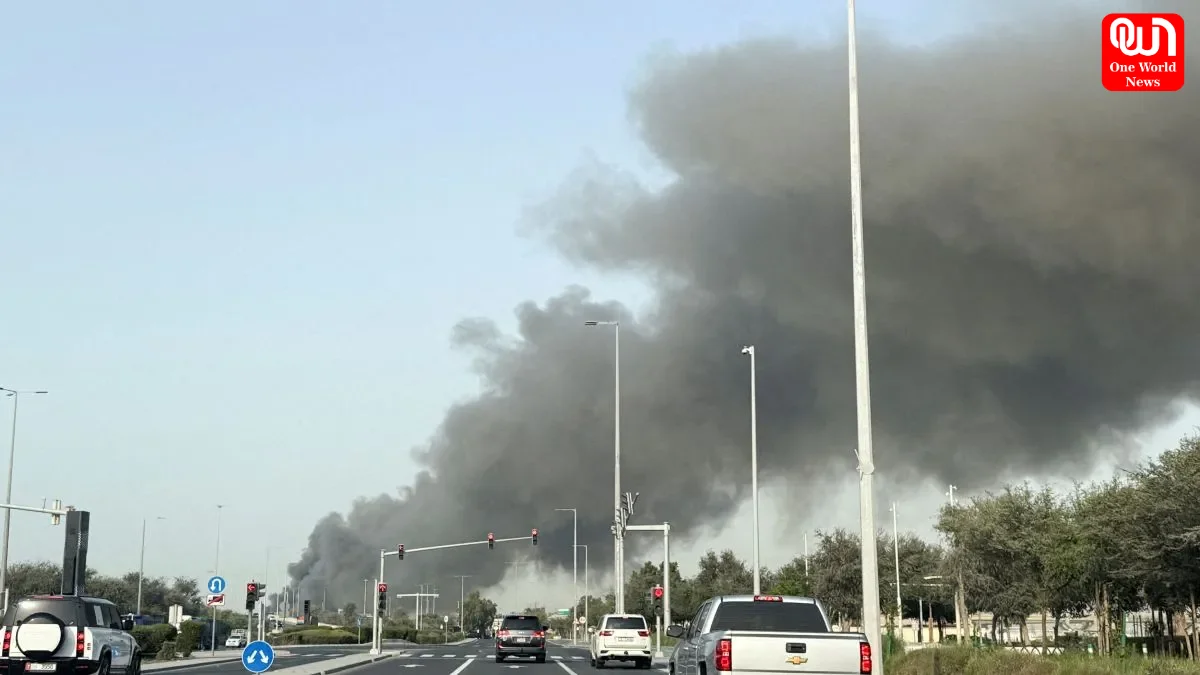
The tragic incident of an Indian Killed In Iran Attack on a Kuwait power plant has brought global attention to the escalating tensions in the Middle East. The attack, which targeted a power generation and water desalination facility in Kuwait, resulted in the death of an Indian worker and caused significant damage to the infrastructure.
According to official statements from Kuwaiti authorities, the strike hit a service building within the power and desalination plant. Emergency response teams were immediately deployed to the site to control the situation and ensure that essential services continued without disruption. Despite their swift response, the loss of life has raised serious concerns about the safety of foreign workers in conflict-prone regions.
The victim, an Indian national working at the facility, was among thousands of expatriate workers contributing to Kuwait’s critical infrastructure sectors. Kuwait relies heavily on foreign labor, especially in industries like energy and construction. This incident highlights the vulnerability of such workers, who often find themselves caught in geopolitical conflicts beyond their control.
Reports suggest that the attack was part of a broader pattern of Iranian military actions in the Gulf region. Over recent weeks, tensions between Iran and its adversaries have intensified, leading to multiple strikes on strategic locations, including military bases and infrastructure facilities. These developments have heightened fears of a wider regional conflict.
The targeted facility plays a crucial role in Kuwait’s energy and water supply. Desalination plants are particularly vital in the Gulf region, where freshwater resources are scarce. Any disruption to these facilities can have serious implications for daily life and economic stability. In this case, although operations were largely maintained, the damage underscores the fragility of essential infrastructure during times of conflict.
The Indian embassy in Kuwait has expressed deep condolences over the death of the worker and confirmed that it is in close contact with Kuwaiti authorities. Officials have assured that all necessary assistance will be provided to the victim’s family. This response reflects India’s ongoing commitment to the welfare of its citizens abroad, particularly in regions facing instability.
Read more: Stock Market Crash: Sensex Falls 1,690 Points, Nifty Settles Below 22,820
This is not an isolated incident involving Indian nationals in the region. In recent weeks, there have been other reports of Indian casualties linked to attacks involving Iranian forces. These incidents collectively point to the increasing risks faced by expatriates working in volatile environments.
The broader geopolitical context is crucial to understanding the significance of this attack. The Middle East is currently experiencing heightened tensions due to ongoing conflicts involving major powers. Iran’s involvement in these conflicts has led to a series of retaliatory and preemptive strikes, affecting not only military targets but also civilian infrastructure.
For Kuwait, a nation strategically located in the Gulf, maintaining security while ensuring uninterrupted supply of essential services is a major challenge. The government has activated contingency plans and is working closely with international partners to safeguard its infrastructure and residents.
The death of the Indian worker serves as a stark reminder of the human cost of geopolitical conflicts. While governments engage in strategic maneuvers, it is often ordinary workers who bear the brunt of these actions. This incident has sparked renewed discussions about the need for better protection measures for foreign workers in high-risk areas.
Read more: Noida International Airport Inaugurated by PM Modi at Jewar, Set to Ease NCR Congestion
In India, the news has prompted calls for increased vigilance and support systems for citizens working abroad. Families of expatriate workers are increasingly concerned about their loved ones’ safety, especially in regions experiencing conflict.
As the situation continues to evolve, the international community is closely monitoring developments. Diplomatic efforts may play a key role in de-escalating tensions and preventing further loss of life.
In conclusion, the Indian Killed In Iran Attack on a Kuwait power plant is more than just a tragic incident—it is a reflection of the growing instability in the region and the urgent need for global cooperation to ensure peace and security. The loss of an innocent life underscores the far-reaching consequences of conflict and the importance of prioritizing human safety above all else.
We’re now on WhatsApp. Click to join.
Like this post?
Register at One World News to never miss out on videos, celeb interviews, and best reads.