Who Is Rishab Rikhiram Sharma? Understanding the Controversy Around His Association With Ravi Shankar
Who is Rishab Rikhiram Sharma? Explore the Rishab Rikhiram Sharma Controversy over his association with Ravi Shankar and his musical legacy.

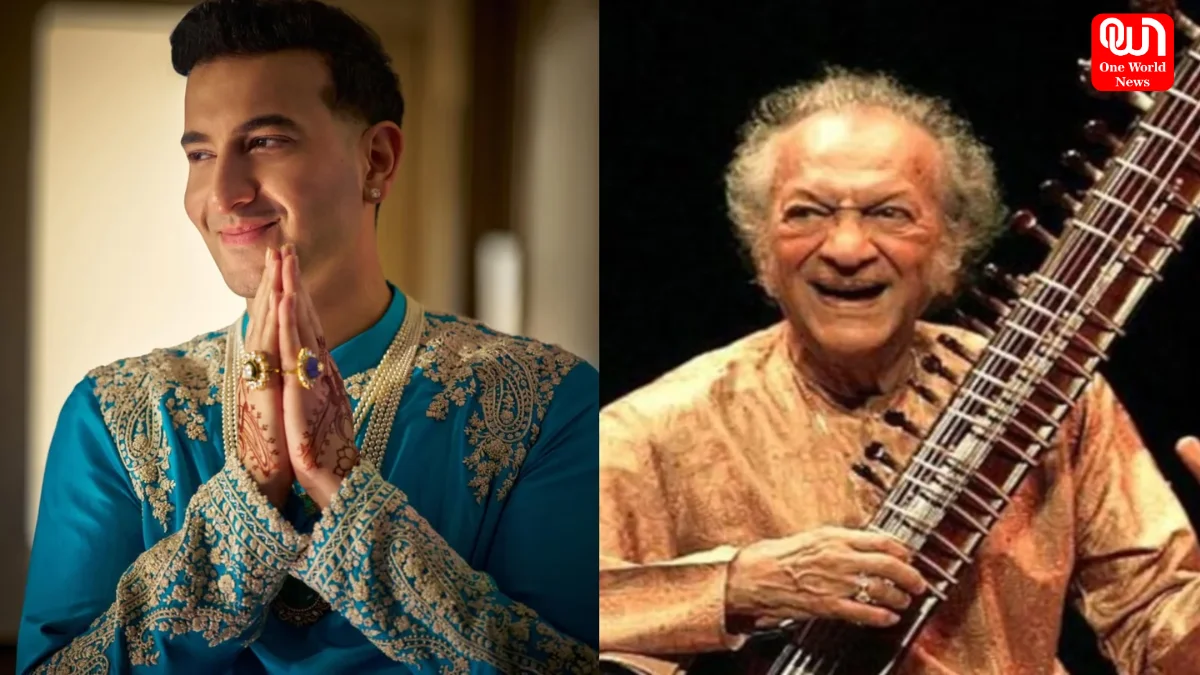
Who Is Rishab Rikhiram Sharma? The Rising Sitar Maestro and the Rishab Rikhiram Sharma Controversy Linked to His Association With Ravi Shankar’s Legacy
Rishab Rikhiram Sharma is an internationally recognized Indian sitarist known for blending classical Hindustani music with contemporary global influences. Born into a family deeply rooted in instrument craftsmanship—his family runs Rikhi Ram Musical Instruments in Delhi—Rishab was surrounded by music from an early age. However, he did not initially intend to become a professional musician. His journey into the world of classical performance evolved gradually, shaped by discipline, mentorship, and personal exploration.
Rishab Rikhiram Sharma gained prominence as one of the youngest and final disciples of the legendary sitar maestro Ravi Shankar. Training under such a globally celebrated figure placed him in a rare lineage of Indian classical musicians. His performances reflect a strong traditional base while incorporating spiritual and meditative elements, often resonating with younger audiences through digital platforms and international tours.
His Musical Journey and Global Presence
Rishab Rikhiram Sharma began performing internationally at a young age, representing Indian classical music on prestigious stages. His music often bridges classical ragas with ambient soundscapes, creating a contemporary interpretation of ancient traditions. He has performed in cultural festivals, spiritual gatherings, and high-profile events, gaining recognition among both classical purists and modern listeners.
Unlike many traditional performers, Rishab has built a strong presence on social media and streaming platforms. This digital visibility has helped him connect with a younger global audience, contributing to the revival and accessibility of the sitar in modern music culture.
Read more: Mumbai Musical Road: India’s First Singing Highway Explained
What Is the Rishab Rikhiram Sharma Controversy?
The Rishab Rikhiram Sharma Controversy centers on discussions regarding the extent and nature of his association with Ravi Shankar and how that legacy is presented publicly. Some critics have questioned how mentorship lineage is communicated in media narratives, debating whether the portrayal of being among Ravi Shankar’s final disciples is sometimes emphasized for branding purposes.
It is important to clarify that there have been no proven allegations of wrongdoing against Rishab Rikhiram Sharma. The controversy largely revolves around perception—how classical lineage is validated, how discipleship is defined in Indian classical tradition, and how modern musicians balance heritage with personal identity.
In Indian classical music, the guru-shishya (teacher-student) tradition carries immense weight. Being associated with a master like Ravi Shankar naturally invites scrutiny, admiration, and debate. Some traditionalists believe lineage should remain understated and purely musical, while others view public acknowledgment as a legitimate part of honoring one’s mentor.
Understanding Lineage in Indian Classical Music
To understand the Rishab Rikhiram Sharma Controversy, one must understand the importance of lineage in Hindustani classical music. Musical heritage is often passed down through intensive personal mentorship rather than formal institutions. Even short periods of direct training under a maestro can hold deep significance.
In the modern era, where artists operate in global media landscapes, public storytelling about mentorship can sometimes create misunderstandings. Rishab Rikhiram Sharma’s association with Ravi Shankar has brought both credibility and heightened expectations. For some observers, the debate is less about legitimacy and more about interpretation.
Public Image and Modern Influence
Rishab Rikhiram Sharma represents a new generation of classical musicians—artists who honor tradition while embracing contemporary platforms. His concerts often blend spirituality, storytelling, and immersive experiences, making classical music more accessible to non-traditional audiences.
While the Rishab Rikhiram Sharma Controversy sparked conversations in niche circles, it has not overshadowed his growing influence as a performer. If anything, it highlights how legacy, branding, and authenticity intersect in today’s artistic world.
Read more: Air India Flight 171 crash: Italian Report Says Fuel Switch Shutdown ‘Almost Certainly’ Intentional
Conclusion
Rishab Rikhiram Sharma is a rising sitar virtuoso navigating the delicate balance between tradition and modern identity. The Rishab Rikhiram Sharma Controversy primarily reflects broader debates about musical lineage, representation, and the power of association with legends like Ravi Shankar.
As audiences continue to explore Indian classical music in global spaces, discussions around authenticity and heritage will remain relevant. Yet at its core, Rishab Rikhiram Sharma’s journey is one of music, mentorship, and evolving artistic expression in a changing world.
We’re now on WhatsApp. Click to join.
Like this post?
Register at One World News to never miss out on videos, celeb interviews, and best reads.