Vitamin C vs Vitamin E: Which One Does Your Skin Really Need?
Vitamin C vs Vitamin E explained: learn how these antioxidants work for skin health, aging, glow, and protection, and which one suits you best.

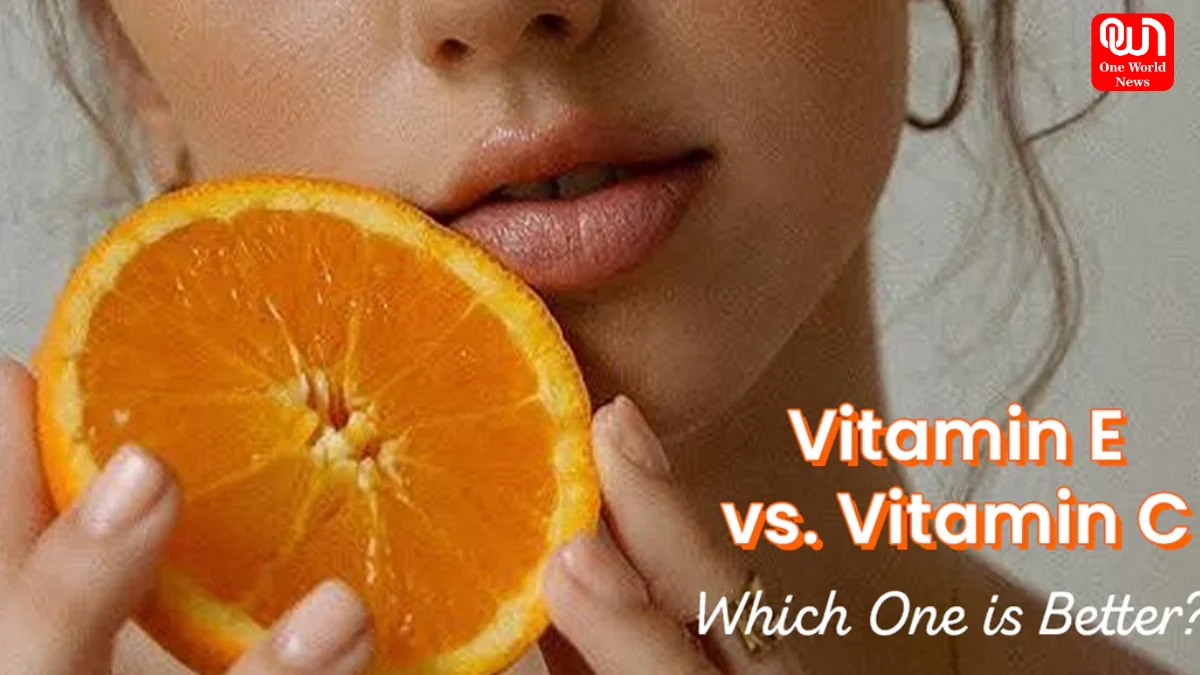
Vitamin C vs Vitamin E: Which Antioxidant Does Your Skin Really Need and Why It Matters
When it comes to skincare, antioxidants are often described as miracle ingredients. Among them, Vitamin C vs Vitamin E is one of the most common comparisons people search for. Both are powerful, both are essential, and both play unique roles in maintaining healthy skin. But the real question is — which one does your skin actually need?
The answer isn’t as simple as choosing one over the other. Understanding how each vitamin works can help you make smarter skincare and nutrition choices.
Understanding Vitamin C for Skin
Vitamin C is one of the most researched skincare ingredients. It is a water-soluble antioxidant known for its ability to brighten skin and support collagen production. Collagen is the protein responsible for skin firmness and elasticity, and its production naturally declines with age.
One of Vitamin C’s biggest strengths is its ability to neutralize free radicals caused by sun exposure, pollution, and environmental stress. This makes it especially valuable for protecting skin from premature aging.
Vitamin C is also known for improving uneven skin tone. It helps reduce the appearance of dark spots and pigmentation by slowing down excess melanin production. For people dealing with dull skin, acne marks, or sun damage, Vitamin C is often a first-choice ingredient.
Understanding Vitamin E for Skin
Vitamin E works differently. It is a fat-soluble antioxidant that focuses primarily on nourishing, repairing, and protecting the skin barrier. While Vitamin C targets brightness and collagen, Vitamin E is more about hydration and recovery.
Vitamin E strengthens the skin’s natural barrier, helping it retain moisture and stay resilient against external irritants. This makes it especially beneficial for dry, sensitive, or compromised skin.
It also plays a key role in soothing inflammation and supporting skin healing. That’s why Vitamin E is often found in products designed for scar care, after-sun treatment, and barrier repair.
Vitamin C vs Vitamin E: Key Differences
When comparing Vitamin C vs Vitamin E, the main difference lies in function rather than effectiveness.
Vitamin C works best for:
-
Brightening dull skin
-
Boosting collagen
-
Reducing pigmentation
-
Protecting against pollution and UV damage
Vitamin E works best for:
-
Deep nourishment
-
Strengthening the skin barrier
-
Reducing dryness and irritation
-
Supporting skin repair
Vitamin C is more active and fast-acting, while Vitamin E is calming and restorative.
Read mkore: Jackie Shroff Birthday: A Journey of Grit, Grace, and Great Cinema
Which Skin Type Needs Which Vitamin?
Your skin type plays a major role in deciding between Vitamin C vs Vitamin E.
If you have oily, acne-prone, or combination skin, Vitamin C is often more suitable. Its lightweight nature and ability to regulate oxidative stress help improve clarity and glow without feeling heavy.
If you have dry, sensitive, or mature skin, Vitamin E may be more beneficial. Its moisturizing and protective properties help reduce irritation and strengthen weak skin barriers.
For aging skin, both vitamins offer benefits — Vitamin C for collagen support and Vitamin E for moisture retention.
Can You Use Vitamin C and Vitamin E Together?
The debate around Vitamin C vs Vitamin E often overlooks an important fact: they actually work better together.
When combined, Vitamin C and Vitamin E enhance each other’s antioxidant power. Vitamin C helps regenerate Vitamin E after it neutralizes free radicals, making the combination more effective than either ingredient alone.
This synergy is why many advanced skincare formulas include both vitamins. Together, they provide brighter skin, stronger protection, and better long-term skin health.
Diet vs Skincare Products
Both vitamins can benefit the skin from the inside and outside. Vitamin C is commonly found in citrus fruits, berries, and leafy greens, while Vitamin E is abundant in nuts, seeds, and healthy oils.
Topical application delivers direct benefits to the skin, while dietary intake supports overall skin function. A balanced approach that includes both nutrition and skincare is ideal.
Read more: Actor Kamaal R Khan Detained for Firing 4 Rounds at Mumbai Residential Building
The Final Verdict
The debate of Vitamin C vs Vitamin E doesn’t have a single winner — because your skin needs both, just in different ways.
Vitamin C is essential for brightness, protection, and youthful firmness. Vitamin E is crucial for nourishment, repair, and resilience. Choosing between them depends on your skin’s current needs, environment, and concerns.
Ultimately, the best skincare routines don’t force a choice — they create balance. And when Vitamin C and Vitamin E work together, your skin gets the complete support it needs to stay healthy, glowing, and protected.
We’re now on WhatsApp. Click to join.
Like this post?
Register at One World News to never miss out on videos, celeb interviews, and best reads.