What Pregnant Women Should and Shouldn’t Eat in Winter
Learn what pregnant women eat in winter to stay healthy, boost immunity, and support baby’s growth while avoiding foods that may cause harm.

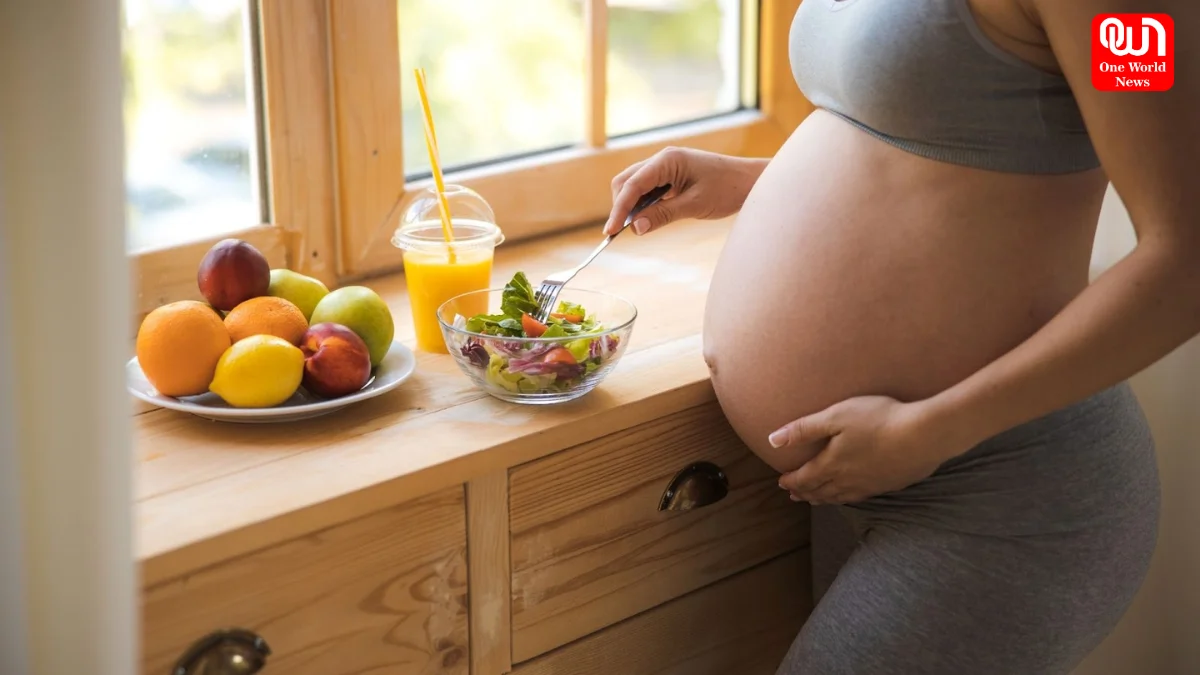
What Pregnant Women Should and Shouldn’t Eat in Winter for a Healthy Pregnancy
Winter brings cozy comfort foods, warm drinks, and seasonal produce — but for expectant mothers, nutrition during this season requires special attention. Knowing what pregnant women eat in winter can play a crucial role in supporting immunity, digestion, and the healthy development of the baby, while avoiding foods that may increase risks.
A balanced winter diet can help manage common pregnancy challenges such as low immunity, fatigue, and seasonal infections.
Read more: How Black Garlic Boosts Your Health
Why Winter Nutrition Matters During Pregnancy
Cold weather often reduces appetite for fresh foods and increases cravings for fried or sugary items. At the same time, winter is associated with higher risks of colds, flu, and vitamin deficiencies due to limited sunlight exposure.
For pregnant women, these factors can directly impact energy levels, immunity, and fetal growth. Eating the right foods helps maintain body warmth, supports digestion, and ensures essential nutrients reach the developing baby.
What Pregnant Women Should Eat in Winter
1. Seasonal Fruits and Vegetables
Winter vegetables like carrots, spinach, beetroot, cauliflower, broccoli, and sweet potatoes are rich in vitamins, iron, and fiber. Citrus fruits, guava, apples, and pomegranates provide vitamin C, which helps strengthen immunity and improve iron absorption.
Including a variety of seasonal produce ensures balanced nutrition while reducing exposure to pesticides from out-of-season foods.
2. Warm, Home-Cooked Meals
Soups, stews, vegetable curries, lentils, and whole grains help keep the body warm and improve digestion. Warm foods are easier on the stomach and can reduce bloating and discomfort common during pregnancy.
Homemade meals also allow better control over ingredients, salt, and oil content.
3. Protein-Rich Foods
Protein is essential for the baby’s growth and tissue development. Pregnant women eat in winter should include lentils, beans, eggs, dairy products, nuts, seeds, and lean meats if non-vegetarian.
These foods support muscle development, hormone production, and overall maternal health.
4. Healthy Fats
Good fats help with brain development of the baby and keep the mother energized. Include foods like nuts, seeds, avocados, ghee in moderation, and cooking oils rich in healthy fats.
Omega-3 fatty acids are especially beneficial during pregnancy.
5. Iron and Calcium-Rich Foods
Winter diets should include iron-rich foods such as spinach, dates, jaggery, lentils, and lean meats to prevent anemia. Calcium-rich foods like milk, yogurt, paneer, and fortified products support bone health for both mother and baby.
Pair iron-rich foods with vitamin C sources for better absorption.
What Pregnant Women Should Avoid in Winter
1. Street Food and Unhygienic Snacks
Cold weather can increase the risk of food contamination. Street food, undercooked items, and improperly stored snacks may lead to infections that are dangerous during pregnancy.
It’s best to choose freshly prepared, home-cooked meals.
2. Excess Fried and Sugary Foods
While winter cravings are common, excessive fried snacks, pastries, and sweets can lead to unnecessary weight gain, acidity, and blood sugar imbalances.
Moderation is key to maintaining steady energy levels.
3. Raw or Undercooked Foods
Avoid raw eggs, undercooked meats, unpasteurized dairy products, and raw sprouts. These foods may contain bacteria that increase the risk of foodborne illness.
Pregnancy lowers immunity, making food safety especially important.
4. Excess Caffeine and Herbal Teas
Too much caffeine can affect fetal development. Some herbal teas may also be unsafe during pregnancy. Always consult a healthcare provider before consuming herbal drinks.
Stick to warm milk, soups, or doctor-approved beverages.
Hydration Is Still Important in Winter
Pregnant women often drink less water in winter, but hydration remains essential. Warm water, soups, and herbal drinks recommended by doctors help maintain fluid balance, prevent constipation, and support circulation.
Aim for consistent hydration throughout the day.
Read more: Is Vitamin B Good for Arthritis?
Final Thoughts
Understanding what pregnant women eat in winter is about balance, safety, and nourishment. Choosing warm, seasonal, and nutrient-rich foods while avoiding risky or overly processed items can make winter a healthy and comfortable season during pregnancy.
Every pregnancy is unique, so it’s always best to consult a healthcare provider or nutritionist before making major dietary changes. With mindful eating and proper care, winter can be a nourishing and enjoyable phase of the pregnancy journey.
We’re now on WhatsApp. Click to join.
Like this post?
Register at One World News to never miss out on videos, celeb interviews, and best reads.