Toyotomi Hideyoshi: The Peasant Who United Japan
Toyotomi Hideyoshi rose from peasant roots to unite Japan. Discover how Toyotomi Hideyoshi reshaped history during the Sengoku era.

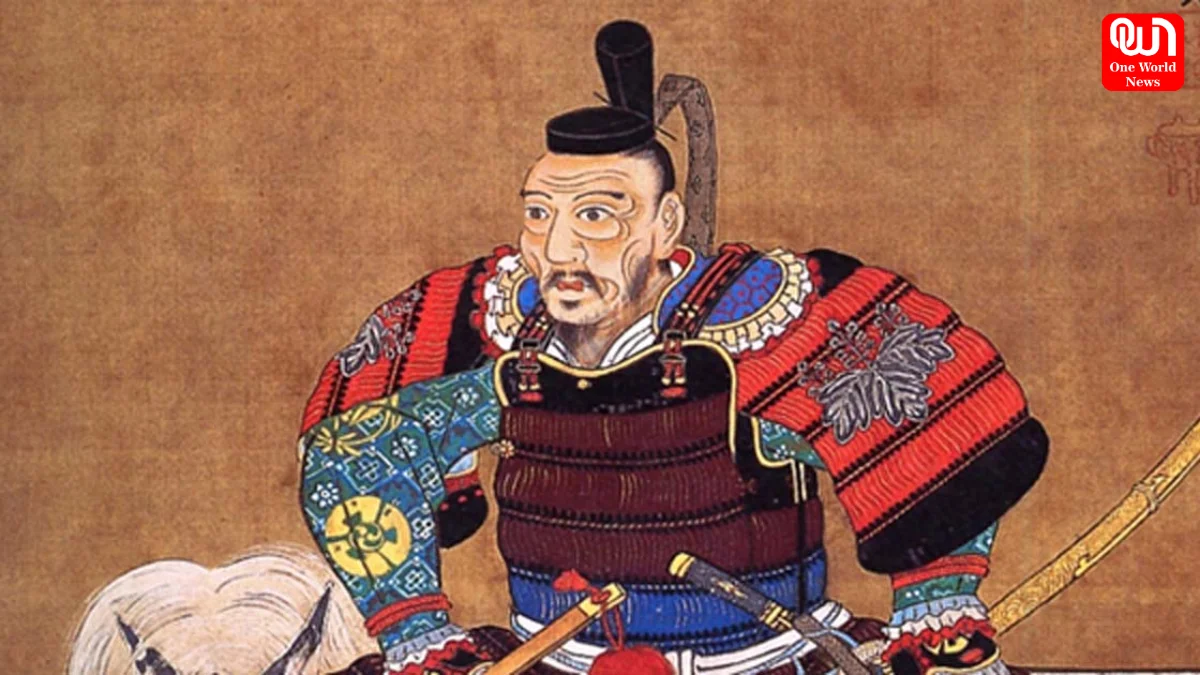
Toyotomi Hideyoshi – From Humble Peasant to Japan’s Great Unifier in the Turbulent Sengoku Era
As of 2026, historians still regard Toyotomi Hideyoshi as one of the most extraordinary figures in Japanese history. Today, in our special segment History & Forgotten Legends, we travel back to the turbulent battlefields of 16th-century Japan — a time when powerful warlords fought endlessly for dominance. Amid this chaos emerged a man whose rise defied every social rule of his era: Toyotomi Hideyoshi, the man who would eventually unite Japan.
The Humble Beginnings of Toyotomi Hideyoshi
Toyotomi Hideyoshi was born in 1537 in the province of Owari, Japan, during the violent Sengoku period — an era marked by constant warfare between rival daimyo, or feudal lords. Unlike most powerful leaders of the time, Hideyoshi was not born into a samurai family. He came from a humble peasant background, a social class far removed from the ruling elites who controlled Japan’s military and political power.
In a rigid feudal society where status determined opportunity, Hideyoshi’s rise seemed almost impossible. Peasants rarely climbed into positions of authority, let alone national leadership. Yet the future warlord possessed remarkable intelligence, charisma, and a strategic mind that would soon change his destiny.
Rising Under Oda Nobunaga
Toyotomi Hideyoshi’s journey began when he entered the service of the legendary warlord Oda Nobunaga, one of the most powerful daimyo of the Sengoku era. Initially working in minor roles, Hideyoshi quickly distinguished himself through loyalty, clever problem-solving, and organizational talent.
Over time, Nobunaga recognized Hideyoshi’s abilities and promoted him through the ranks. Hideyoshi proved himself not only as a capable soldier but also as a skilled diplomat and strategist. His talent for negotiation and logistics made him invaluable in Nobunaga’s campaign to consolidate power across Japan.
During this period, Hideyoshi played key roles in military campaigns that expanded Nobunaga’s influence across central Japan. His rapid rise was unusual in a society where noble birth normally determined leadership positions.
read more: Gold and Silver Prices Today: Bullion Market Sees Decline in Domestic and Global Rates
A Nation in Chaos After Nobunaga’s Death
In 1582, the political landscape of Japan changed dramatically. Oda Nobunaga was betrayed and killed by one of his own generals in a shocking event known as the Incident at Honnō-ji. His sudden death threatened to plunge Japan back into chaos.
Rival warlords and generals quickly began competing for control of Nobunaga’s territories. The fragile progress toward unification seemed at risk of collapsing entirely.
But Toyotomi Hideyoshi acted swiftly.
Using both military strength and political intelligence, Hideyoshi defeated Nobunaga’s betrayer and positioned himself as the rightful successor to Nobunaga’s ambitions. Through careful alliances and decisive battles, he gradually consolidated power.
The Unification of Japan
Over the next several years, Toyotomi Hideyoshi launched a series of military campaigns aimed at bringing the remaining independent regions of Japan under his authority. Rather than relying solely on brute force, he combined diplomacy, strategic marriages, and alliances to expand his influence.
By the late 1500s, Hideyoshi had achieved what many leaders before him had failed to accomplish — the political unification of Japan. After centuries of internal warfare, the nation was finally brought under a single ruling power.
Although Hideyoshi never became shogun due to his peasant origins, he ruled as the most powerful man in Japan under the title of Kampaku, or imperial regent. His authority effectively controlled the entire country.
Reforms and National Transformation
Toyotomi Hideyoshi did more than unify Japan militarily; he also implemented sweeping reforms that reshaped the structure of Japanese society.
One of his most famous policies was the “Sword Hunt,” which confiscated weapons from peasants and ensured that only the samurai class could carry arms. This policy helped stabilize society and reduce the likelihood of rebellion.
Hideyoshi also introduced nationwide land surveys and tax systems that strengthened central governance. These reforms created a more organized administrative structure and laid the foundation for future political stability.
The Legacy of Toyotomi Hideyoshi
Centuries later, the story of Toyotomi Hideyoshi continues to inspire historians and leaders alike. His journey from a poor peasant to the most powerful ruler in Japan remains one of the most remarkable social transformations in world history.
read more: Political Roundup: Key Political Developments Making Headlines Today
Toyotomi Hideyoshi demonstrated that leadership can emerge from unexpected places. Through determination, intelligence, and strategic vision, he succeeded in uniting a nation that had been fractured by war for generations.
Today, the legacy of Toyotomi Hideyoshi reminds the world that greatness is not always born in palaces — sometimes, it rises from the humblest beginnings. His life stands as proof that ambition, resilience, and vision can reshape the course of history. Stay tuned for more stories that shaped our world.
We’re now on WhatsApp. Click to join.
Like this post?
Register at One World News to never miss out on videos, celeb interviews, and best reads.