Dadabhai Naoroji: The Visionary Who Revealed the Economic Truth of Colonial Rule
Dadabhai Naoroji exposed how British rule drained India’s wealth through his famous Drain Theory, awakening early nationalist thought.

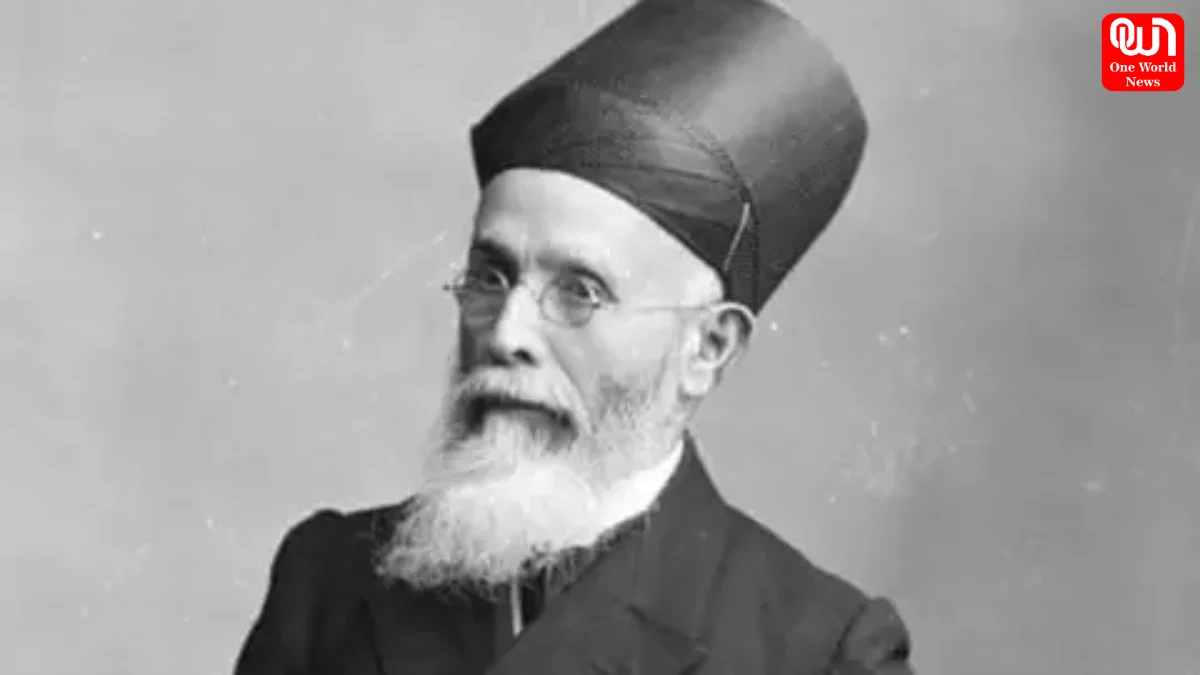
Dadabhai Naoroji: The Grand Old Man of India Who Exposed Britain’s Drain of Wealth from Colonial India
On March 6, 2026, as we revisit important figures from India’s past, the legacy of Dadabhai Naoroji stands out as one of the earliest and most influential voices that challenged British colonial rule. Often remembered as the Grand Old Man of India, Naoroji played a crucial role in awakening political consciousness in the country long before the freedom movement reached its peak.
While many freedom fighters are remembered for mass protests and political movements, Dadabhai Naoroji fought a different kind of battle — one rooted in ideas, economic analysis, and fearless truth.
Early Life and Intellectual Foundations
Dadabhai Naoroji was born on September 4, 1825, in Bombay (now Mumbai) into a Parsi family. From a young age, he demonstrated exceptional intellectual ability and a strong sense of public responsibility. Education shaped his worldview, and he later became one of the first Indian professors at Elphinstone College.
His academic career allowed him to engage deeply with political and economic questions affecting India under British rule. Unlike many contemporaries who accepted colonial authority as inevitable, Naoroji began examining the deeper consequences of British governance.
The Birth of the Drain Theory
One of Dadabhai Naoroji’s most significant contributions to Indian political thought was the Drain Theory. Through careful research and statistical analysis, he argued that Britain was systematically extracting wealth from India.
According to Naoroji, this “drain of wealth” occurred through multiple channels — including heavy taxation, salaries of British officials paid from Indian revenues, profits sent back to Britain, and trade policies that favored British industries.
Read more: Political Roundup: Parliament Tensions, Election Push and Global Talks
This economic outflow, he argued, was one of the primary reasons for widespread poverty in India despite the country’s rich natural resources.
At a time when colonial rule was often portrayed as beneficial or civilizing, Naoroji’s theory boldly challenged that narrative. His analysis gave Indians a powerful intellectual tool to understand the economic realities of imperial rule.
Taking India’s Voice to Britain
Dadabhai Naoroji did not limit his advocacy to India alone. He believed that the injustices of colonial rule needed to be confronted at the very center of British power.
In 1892, he made history by becoming the first Indian elected to the British Parliament as a member representing the Liberal Party. This achievement was remarkable not only for its political significance but also for the symbolic message it carried.
Inside the British Parliament, Naoroji raised questions about India’s economic exploitation, administrative policies, and the need for fair governance. He represented the concerns of millions of Indians who had no direct voice in the colonial system.
Leadership in the Indian National Congress
Dadabhai Naoroji also played a pivotal role in the early years of the Indian National Congress, serving as its president three times. During this period, the Congress focused on constitutional reforms, representation, and administrative fairness rather than immediate independence.
Naoroji believed that political reform, economic awareness, and education would gradually prepare India for self-governance. His moderate yet firm approach helped shape the early direction of India’s national movement.
Economic Thought as a Weapon Against Colonialism
What made Dadabhai Naoroji unique was his ability to transform economic analysis into political resistance. Instead of emotional rhetoric alone, he used facts, data, and logic to expose colonial injustice.
His famous book “Poverty and Un-British Rule in India” presented detailed evidence supporting the Drain Theory. The work became one of the earliest intellectual critiques of British imperial policy.
By explaining how wealth was being systematically transferred from India to Britain, Naoroji helped people understand that colonialism was not just political domination — it was also economic exploitation.
A Lasting Legacy
Dadabhai Naoroji’s influence extended far beyond his lifetime. His ideas inspired later leaders of the Indian freedom movement, including Bal Gangadhar Tilak, Mahatma Gandhi, and Gopal Krishna Gokhale.
He showed that resistance could take many forms — not only protests and revolutions, but also scholarship, debate, and fearless advocacy.
Read more: Latest Update on Gold Price and Silver Today in the Indian Bullion Market
Today, Naoroji is remembered as a pioneer who laid the intellectual foundations of Indian nationalism.
Remembering the Grand Old Man of India
The story of Dadabhai Naoroji reminds us that the struggle for freedom was fought not only on battlefields but also in classrooms, books, and parliamentary debates.
His courage to question powerful institutions and his commitment to truth changed the way Indians understood colonial rule.
In many ways, Dadabhai Naoroji awakened India’s political consciousness long before independence became a reality. His legacy continues to inspire those who believe that ideas, when supported by truth and conviction, can transform the course of history.
We’re now on WhatsApp. Click to join.
Like this post?
Register at One World News to never miss out on videos, celeb interviews, and best reads.