Raja Suheldev: The Warrior King History Tried to Forget
Raja Suheldev was a fearless Indian king who defeated invaders in the Battle of Bahraich and became a lasting symbol of resistance.

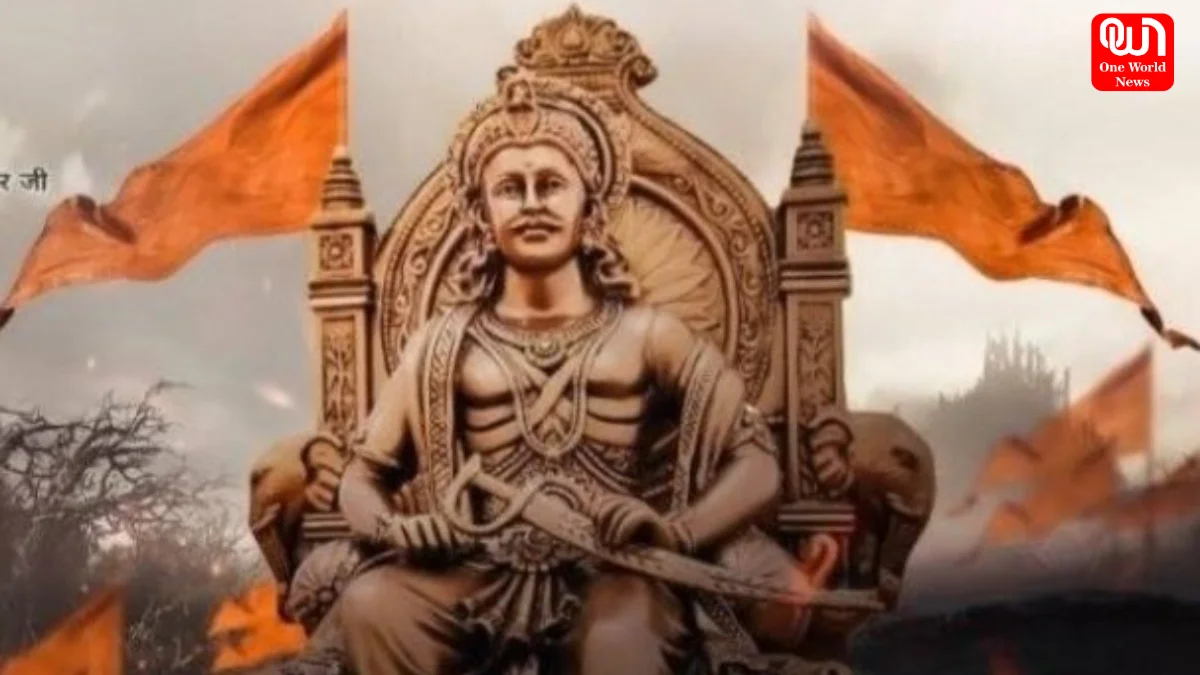
Raja Suheldev: The Forgotten Warrior King Who Defeated Invaders and Protected India’s Honor
When history whispers, some names still roar.
Raja Suheldev is one such name — a warrior whose courage challenged invading forces and whose legacy endured despite attempts to erase it.
In the early 11th century, India faced repeated invasions that brought violence, fear, and destruction. Kingdoms fell, cities trembled, and cultural identity stood at risk. Amid this turmoil rose Raja Suheldev, a king who chose resistance over submission and valor over fear.
He was not remembered for luxury or conquest, but for protection — of land, people, and dignity.
A King Who Ruled With Valor, Not Fear
Raja Suheldev ruled in a time when power was often asserted through terror. Unlike many rulers who sought survival through alliances or surrender, he stood unshaken. His leadership was defined by courage, strategic wisdom, and an unwavering sense of duty toward his homeland.
He understood that true kingship was not about domination, but about responsibility. His reign became a symbol of defiance against forces that sought to plunder and subjugate.
The Invasion That Tested the Land
As Ghaznavid forces advanced into northern India, their campaigns were marked by destruction and religious intolerance. One of their commanders, Salar Masud, led aggressive incursions that threatened local kingdoms and communities.
For many, resistance seemed impossible. The invaders were well-equipped and experienced in warfare. But Raja Suheldev refused to bow.
He gathered his forces, not in arrogance, but in resolve.
Read more: Inside Mary Kom Divorce: From Private Separation to Public Battle
The Battle of Bahraich
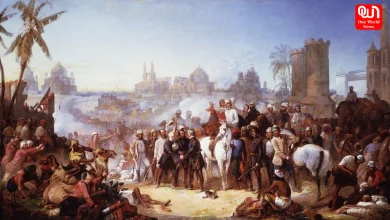
The Battle of Bahraich was not merely a military encounter. It was a defining moment — a clash between invasion and identity, force and faith, fear and courage.
With limited resources but unbreakable determination, Raja Suheldev led his army into battle against Salar Masud’s forces. Historical accounts describe the struggle as fierce and decisive.
Against overwhelming odds, the invaders were defeated.
This victory echoed far beyond the battlefield. It was not just a strategic triumph; it was emotional and spiritual. It was proof that resistance was possible, that courage could outweigh numbers, and that homeland mattered.
More Than a Military Victory
The defeat of the invaders carried profound meaning. It restored confidence among local rulers and communities who had grown accustomed to loss. It reinforced the belief that the land could be protected, not just conquered.
Raja Suheldev’s stand became a symbol — of resilience, unity, and unwavering commitment to one’s people.
Yet, as centuries passed, his story faded from mainstream historical narratives.
Remembered by the Soil, Forgotten by the Syllabus
Despite his significance, Raja Suheldev’s name is absent from many history textbooks. His legacy survived largely through folklore, regional traditions, and collective memory passed down through generations.
This absence raises important questions about how history is recorded — and who decides which stories are told.
Heroes who defended rather than conquered are often overlooked, yet their impact is no less powerful.
Read more: Delhi-NCR Shivers as Temperature Falls to 3°C, Dense Fog Triggers IMD Alert
Reclaiming a Forgotten Legacy
Remembering Raja Suheldev is not about rewriting history. It is about completing it.
He represents countless unsung warriors who stood firm when invasion threatened identity. His story reminds us that history is not only shaped by empires, but by those who protected their land, culture, and people.
Why Raja Suheldev Matters Today
In a modern world grappling with identity, heritage, and resilience, Raja Suheldev’s legacy feels deeply relevant. His life teaches that courage does not always come from power — sometimes, it comes from purpose.
He stood when standing was dangerous.
He fought when surrender was easier.
He protected when others fled.
A Legacy That Still Roars
Raja Suheldev was more than a king.
He was a guardian of the land.
A symbol of resistance.
A reminder that history belongs to those who protect as much as those who conquer.
Remembering him is not just an act of respect — it is an act of responsibility.
Because when we remember our past,
we shape our future.
We’re now on WhatsApp. Click to join.
Like this post?
Register at One World News to never miss out on videos, celeb interviews, and best reads.