Maharani Ahilyabai Holkar: A Legacy of Service, Devotion, and Just Rule
Maharani Ahilyabai Holkar ruled through service and compassion, rebuilding temples and proving true power lies in justice and faith.

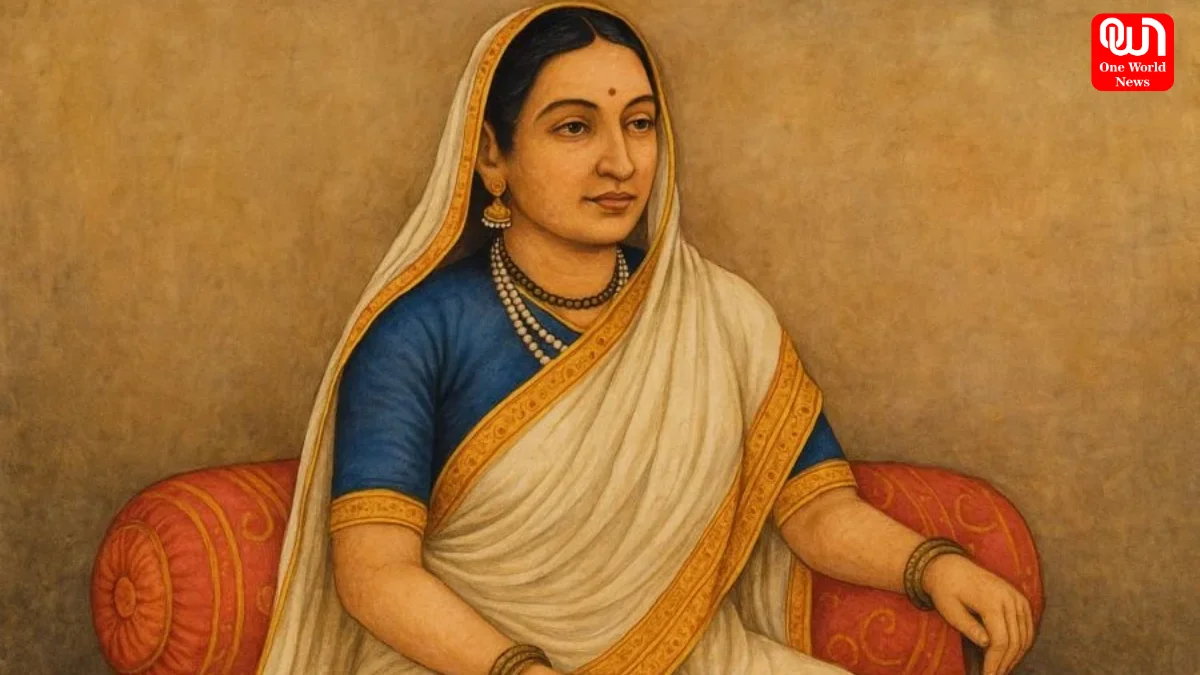
Maharani Ahilyabai Holkar: The Queen Who Ruled with Compassion, Faith, and Enduring Justice
History often celebrates rulers who expanded empires through war and conquest. Yet, there are rare leaders whose greatness came not from the sword, but from service, faith, and compassion. Among them stands Maharani Ahilyabai Holkar, a queen whose reign healed not just a kingdom, but the spiritual and moral fabric of India.
At a time when power was measured by military might, Ahilyabai Holkar redefined leadership. Her rule proved that governance rooted in justice and empathy could leave a deeper, more enduring legacy than fear or force.
From Personal Tragedy to Inner Strength
Maharani Ahilyabai Holkar’s life was marked by profound personal loss. She faced the deaths of her husband and son, tragedies that could have broken any ruler. Instead of retreating into grief, she transformed her sorrow into spiritual strength and selfless duty.
Rather than allowing tragedy to weaken her resolve, she embraced responsibility with humility. Her reign became an example of how personal suffering, when guided by purpose, can give rise to extraordinary leadership.
A Queen Who Ruled Through Justice
Ahilyabai Holkar’s administration was known for fairness, accountability, and compassion. She ruled without cruelty and governed without arrogance. Her court was accessible, her decisions balanced, and her focus firmly on the welfare of her people.
Under her leadership, justice was not imposed through fear, but earned through trust. Farmers, traders, and common citizens alike experienced stability and security during her reign. Her governance demonstrated that authority could coexist with empathy.
The Great Temple Builder of India
Today, Maharani Ahilyabai Holkar is remembered as one of the greatest temple builders in Indian history. At a time when many sacred sites lay damaged or neglected, she undertook the monumental task of restoring them.
From Kashi and Somnath to Gaya and Rameshwaram, she rebuilt temples, ghats, and dharamshalas across the subcontinent. These were not acts of political display, but expressions of deep devotion and cultural responsibility.
Her work went beyond architecture. By restoring sacred spaces, she helped revive faith, unity, and spiritual continuity during a turbulent period in Indian history.
Read more: Political Roundup: India’s Key Political Developments Today
Faith That United, Not Divided
Ahilyabai Holkar’s devotion was inclusive and grounded in service. She believed religion should unite people rather than divide them. Her patronage of temples was accompanied by support for pilgrims, scholars, and the poor, regardless of background.
Even today, when devotees bow their heads at sacred places like the Kashi Vishwanath Temple, they are unknowingly acknowledging her vision — one rooted in humility, service, and reverence.
Her faith was quiet, sincere, and deeply personal, never used as a tool for power or exclusion.
Leadership Without Display
Unlike many rulers who sought grandeur and recognition, Maharani Ahilyabai Holkar led with restraint. She avoided excessive displays of wealth or authority, focusing instead on meaningful action.
Her strength lay in silence, her authority in wisdom. She showed that true leadership does not need constant validation — it reveals itself through lasting impact.
Why Her Legacy Still Matters
Despite her extraordinary contributions, Maharani Ahilyabai Holkar often receives limited attention in mainstream history narratives. Yet her influence lives on — in the temples she restored, the systems she strengthened, and the values she embodied.
In an era where leadership is frequently associated with dominance, her life reminds us that the greatest rulers are those who leave behind hope, not fear.
Read more: Political Roundup: Today’s Top Political Headlines You Need to Know
An Eternal Presence in India’s Spirit
Maharani Ahilyabai Holkar was not just a queen. She was a guardian of faith, a symbol of just governance, and a quiet revolutionary who proved that compassion is the strongest form of power.
Though history books may mention her briefly, her legacy remains eternal — woven into India’s spiritual landscape and moral memory.
Remembering her is not just an act of tribute.
It is a reminder of what true leadership looks like.
We’re now on WhatsApp. Click to join.
Like this post?
Register at One World News to never miss out on videos, celeb interviews, and best reads.