Ghulam Ali Khan: The Last Great Mughal Artist Who Preserved an Empire Through His Brush
Discover Ghulam Ali Khan, the last Mughal miniature master who immortalised Delhi’s history and royal life through breathtaking art.

Ghulam Ali Khan – Rediscovering the Last Master of Mughal Miniature Art and the Forgotten Chronicler of India’s Fading Royal Era
The Last Luminary of Mughal Miniature Art
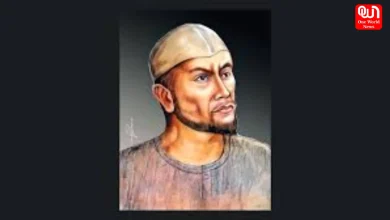
Ghulam Ali Khan remains one of the most extraordinary yet overlooked artists in Indian history. Emerging in the late 18th century, he belonged to the famed Delhi school of painters, a lineage known for its mastery in Mughal miniature art. At a time when the Mughal Empire was nearing its end and political power was slipping away, he rose as the final torchbearer of a tradition that had defined India’s artistic excellence for centuries. His work is not merely a record of what the empire looked like—it is a record of how it felt in its final years.
A Chronicler of a Fading Empire
Ghulam Ali Khan was more than an artist; he was a visual historian. As the Mughal court lost its grandeur, it was his brush that preserved the last echoes of an era marked by poetry, architecture, and cultural brilliance. His art captured the emotional twilight of a collapsing dynasty. Every portrait, every architectural study, every delicate line became a testimony to a world standing at the edge of disappearance. Through his work, the fading empire found a final, graceful heartbeat.
Royal Painter to Bahadur Shah Zafar
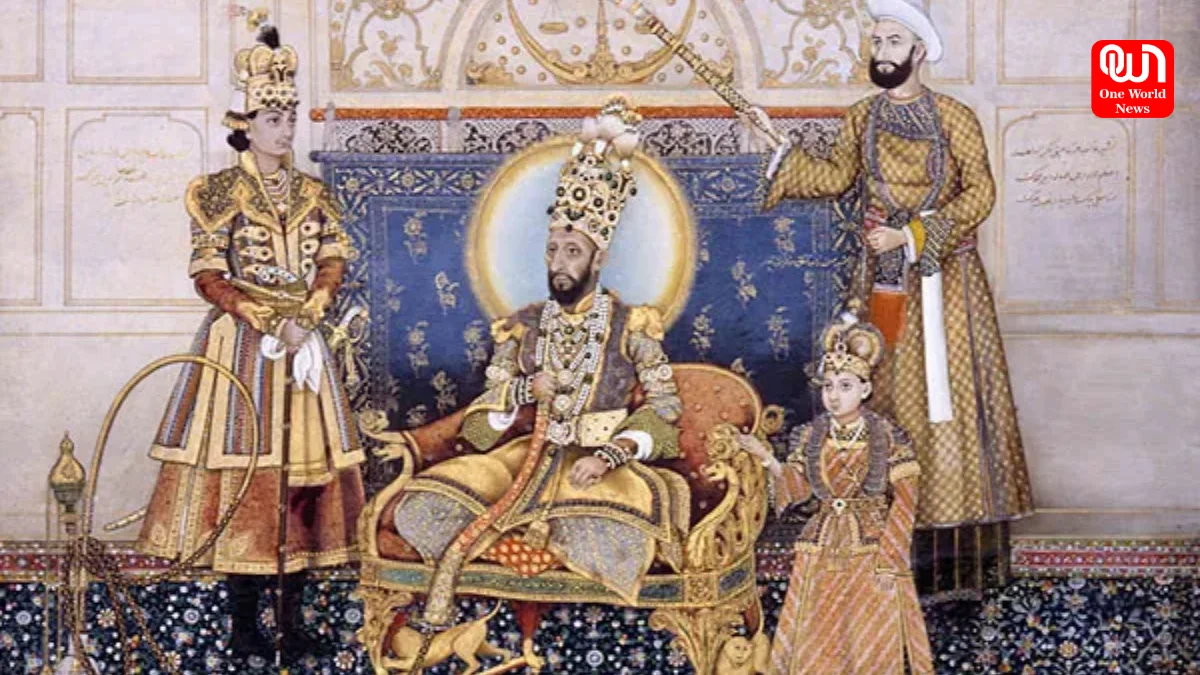
One of the most defining roles of Ghulam Ali Khan’s artistic journey was his position as the royal painter to Bahadur Shah Zafar, the last Mughal emperor. This connection was symbolic: the final emperor and the final master of the miniature tradition were bound by history. His portraits of Zafar and members of the royal household capture more than facial likeness—they capture the emotion of an era overshadowed by uncertainty. Viewers today can almost sense the quiet tension of the Red Fort, the poetic melancholy of the court, and the fragile dignity of a dynasty nearing its end.
A Master of Emotion, Detail, and Depth
Ghulam Ali Khan possessed a rare ability to blend traditional miniature techniques with evolving artistic influences. His work stands out for its delicate precision, where every stroke feels intentional and alive. He painted people not as symbols but as individuals—soldiers with pride in their posture, courtiers with contemplative expressions, villagers and dancers with everyday humanity. His portraits are not simply images; they are narratives frozen in time.
read more: Ukraine and US Delegations to Meet in Florida Following Talks in Moscow, Says White House
Architectural Art That Became History Itself
One of his most significant contributions lies in his architectural drawings of Delhi. He meticulously painted landmarks such as the Jama Masjid, Kashmir Gate, the Qutub complex, and various palaces and streets across the city. Many of these structures have since been altered, damaged, or vanished entirely, making his paintings more than artworks—they are historical documents. For historians and researchers, Ghulam Ali Khan’s architectural studies offer an irreplaceable visual archive of 19th-century Delhi.
The Legendary Fraser Album Collaboration
His collaboration with British officers William Fraser and James Skinner produced the internationally celebrated Fraser Album, one of the most important artistic collections of the era. The album offered intimate, detailed portrayals of India’s diverse society—soldiers, nobles, musicians, villagers, craftsmen, and court figures. Through these works, Ghulam Ali Khan presented India not as an abstract idea but as a living, breathing community. The Fraser Album transformed global understanding of Indian art, revealing its refinement, cultural depth, and human storytelling.
A Legacy That Survives Despite Obscurity
Despite his artistic brilliance, Ghulam Ali Khan was gradually forgotten by mainstream history. His name faded, even while his paintings traveled across museums, archives, and private collections worldwide. There are no monuments in his honor, no grand celebrations of his contribution. Yet his art continues to carry the whisper of India’s past. Every brushstroke remains a reminder of a world that once existed and continues to live through his work. His legacy endures in the glow of his colors, the precision of his lines, and the stories he preserved when an empire was breathing its last.
Read more: TMC Goes on the Offensive Over SIR, PM Modi Urged to Temper BJP’s Bengal Strategy
Why Ghulam Ali Khan Matters Today
Remembering Ghulam Ali Khan is an acknowledgment of art’s extraordinary power—to preserve truth, to defy time, and to immortalise moments that history risks forgetting. He may not be widely mentioned in textbooks, but his art ensures he will never be erased. He remains alive in every portrait, every architectural rendering, and every quiet detail that still speaks across centuries.
We’re now on WhatsApp. Click to join.
Like this post?
Register at One World News to never miss out on videos, celeb interviews, and best reads.