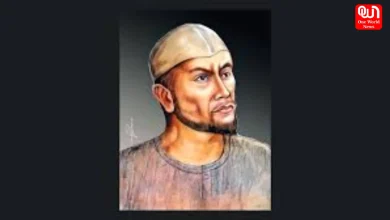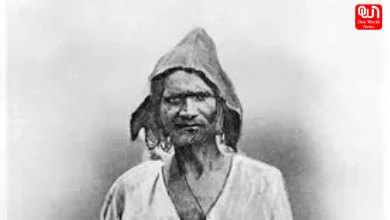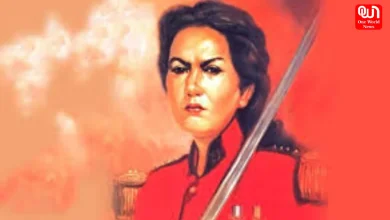
Ganga Narayan Singh: The Fearless Leader of the Bhumij Rebellion
Ganga Narayan Singh led the 1832 Bhumij Rebellion against British rule, becoming a symbol of tribal resistance and courage in India.

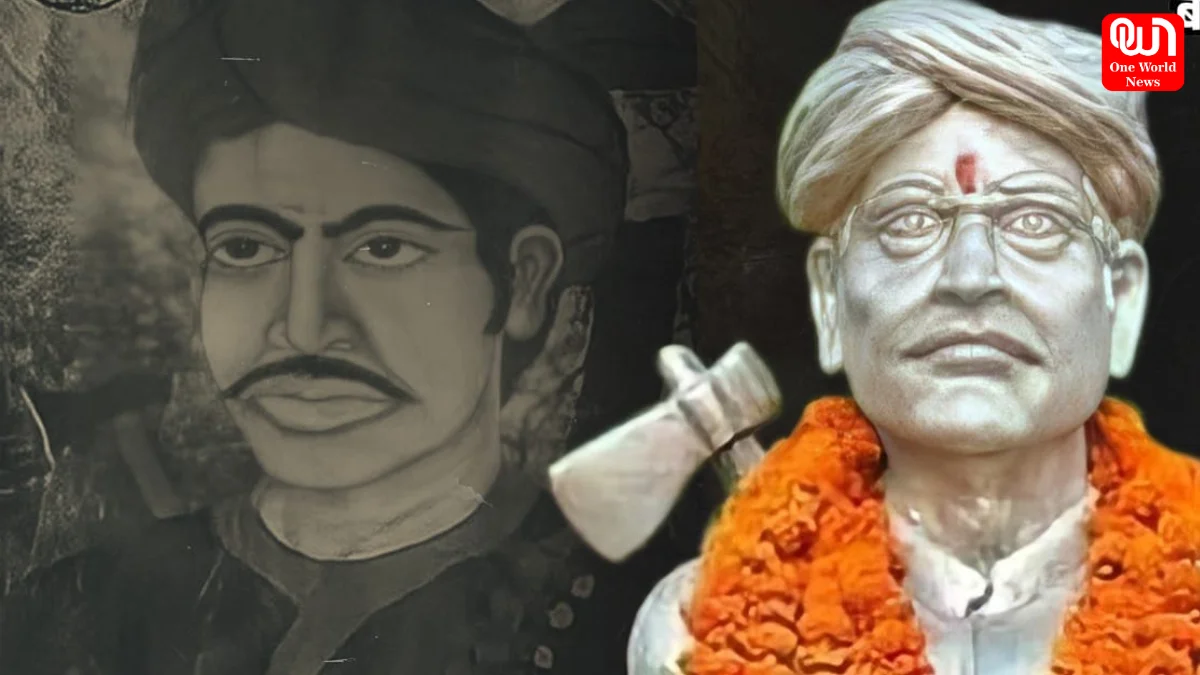
Ganga Narayan Singh: The Forgotten Tribal Warrior Who Led the Bhumij Rebellion Against British Rule
History often celebrates well-known rulers and political figures, yet many brave revolutionaries remain hidden in its margins. One such hero is Ganga Narayan Singh, a fearless tribal leader whose resistance shook the foundations of British colonial power in eastern India.
In our reflection on forgotten legends, his story stands as a powerful reminder that India’s struggle for freedom was not limited to major cities or famous battlefields. It was also fought in forests, villages, and remote tribal regions — far from the spotlight of mainstream history.
Early Life in the Jungle Mahals
Born in the early 19th century in the Jungle Mahals region of present-day West Bengal, Ganga Narayan Singh grew up during a time of political turmoil and economic exploitation. The British East India Company had tightened its grip over vast territories, restructuring traditional systems of governance and imposing heavy taxes.
For tribal communities, including the Bhumij people, these policies were devastating. Land that had been collectively managed for generations came under pressure from colonial revenue systems and oppressive landlords. Traditional authority structures were weakened, and dignity was constantly challenged.
In such an atmosphere, silence was expected. Compliance was enforced. Resistance was dangerous.
But Ganga Narayan Singh refused to accept injustice as fate.
The Bhumij Rebellion of 1832
In 1832, Ganga Narayan Singh emerged as the leader of what would become known as the Bhumij Rebellion. This uprising was not a spontaneous outburst of anger — it was a deliberate act of defiance against systemic exploitation.
Read more: New Solid Waste Management Rules: Penalties and Who Must Comply From April 1
The rebellion united tribal warriors who were angered by excessive taxation, corrupt landlords, and the erosion of their autonomy. Under Ganga Narayan Singh’s leadership, they challenged colonial authority with courage and determination.
The revolt targeted symbols of British power and oppressive administration. It disrupted revenue collection systems and sent a clear message: dignity could not be taxed, and injustice would not go unanswered.
A Revolt Beyond Taxation
While taxation was a major trigger, the movement led by Ganga Narayan Singh was about more than economic hardship. It was about respect, identity, and the right to self-governance.
For tribal communities, land was not merely property — it was heritage, culture, and survival. Colonial policies threatened to dismantle this relationship. By rising in rebellion, Ganga Narayan Singh defended not only territory but also tradition and pride.
His leadership demonstrated that the fight against colonial rule began long before large-scale national movements took shape.
A Symbol of Courage and Resistance
The British authorities viewed the rebellion as a serious threat. Ganga Narayan Singh was hunted relentlessly. Despite intense opposition and military action, his spirit of resistance never faded.
Though the rebellion was eventually suppressed, its impact was profound. It exposed the vulnerabilities of colonial administration in tribal regions and inspired future resistance movements.
Ganga Narayan Singh became a symbol — not just of rebellion, but of fearless conviction.
Why His Legacy Matters Today
Today, when discussions of freedom often center on prominent national leaders, the contribution of tribal revolutionaries like Ganga Narayan Singh deserves equal recognition. His struggle reminds us that India’s independence was not a singular event but a collective journey shaped by countless sacrifices.
His story also highlights the crucial role of tribal communities in resisting colonial oppression — a chapter that remains underrepresented in textbooks.
By remembering Ganga Narayan Singh, we acknowledge that freedom was not granted. It was earned through courage, persistence, and unwavering belief in justice.
Read more: Emmanuel Macron At India AI Summit Praises India’s Unique Digital System
Reigniting a Forgotten Legacy
History may not have amplified his name as loudly as others, but the legacy of Ganga Narayan Singh continues to resonate in the forests and regions where he once led his people.
He was not merely a rebel.
He was a guardian of dignity.
A defender of rights.
A flame that burned against injustice.
As we reflect on the path to freedom and the values of justice and equality, we must ensure that such heroes are not forgotten.
Because history is incomplete until every voice of resistance is heard — including that of Ganga Narayan Singh.
We’re now on WhatsApp. Click to join.
Like this post?
Register at One World News to never miss out on videos, celeb interviews, and best reads.