Birsa Munda: The Forgotten Revolutionary Who Rose From the Forests of India
Birsa Munda, a fearless tribal leader, led the Ulgulan movement and became the enduring symbol of resistance against British rule.

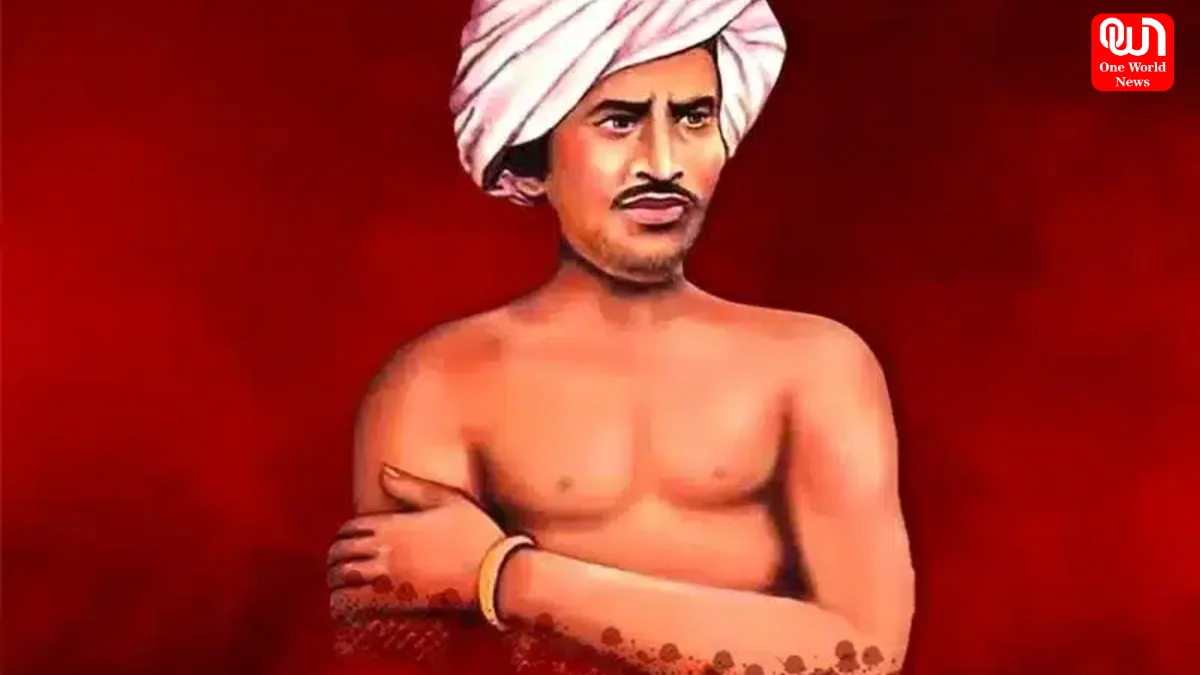
Birsa Munda, the Tribal Revolutionary Who Challenged the British Empire and Became the Eternal Voice of India’s Forgotten Legends
History Is Not Always Written by the Bravest
History is often shaped by those who survive long enough to tell their stories. Yet, many voices that once shook empires are slowly erased with time. Among those forgotten echoes stands Birsa Munda, a name that still resonates through the forests of India. A young tribal leader, a revolutionary spirit, and a symbol of fearless resistance, Birsa Munda represents the untold chapters of India’s freedom struggle that demand remembrance.
The Early Life of Birsa Munda
Birsa Munda was born in 1875 in the dense forests of what is now Jharkhand. He belonged to the Munda tribe, a community deeply rooted in nature, ancestral customs, and collective harmony with the land. For generations, the forest was not merely a place to live—it was life itself. But colonial rule would soon disrupt this balance and turn survival into resistance.
British Rule and the Systematic Theft of Tribal Land
When Forests Were No Longer Free
Under British colonial administration, tribal lands were gradually seized. Forests that had sustained communities for centuries were declared government property. Sacred grounds were taxed, and indigenous systems of ownership were dismantled.
From Guardians of the Land to Bonded Laborers
Tribal people, once protectors of the forest, were reduced to bonded laborers on their own soil. Exploitation replaced harmony, and injustice became routine. What followed was not submission—but revolt.
The Rise of Birsa Munda as a Revolutionary Leader
At an age when most teenagers dream of personal futures, Birsa Munda chose to fight for a collective one. He emerged not only as a political leader but also as a spiritual symbol who inspired unity and courage. His call was simple yet powerful—reclaim “jal, jungle aur zameen”: water, forest, and land.
Birsa’s words reached the poorest of villages and awakened communities that had long been silenced. His presence ignited hope and defiance in equal measure.
Read more: Luthra Brothers Taken to Bangkok as India and Thailand Move to Complete Deportation Process
Ulgulan: The Great Tumult
Birsa Munda’s movement came to be known as the Ulgulan, meaning The Great Tumult. Villages united. Tribal communities rose together. The British administration, threatened by this growing unity, panicked. Birsa’s leadership proved that resistance did not require weapons alone—it required belief, dignity, and purpose.
Arrest, Death, and an Unanswered Mystery
A Life Cut Short
At just 25 years old, Birsa Munda was captured by the British. In 1900, he died inside a colonial jail under mysterious circumstances. His life was brief, but his impact was immeasurable.
An Eternal Legacy
Birsa Munda did not live to witness India’s independence, yet his struggle lit the fire of resistance across tribal regions. His sacrifice became a foundation upon which future movements stood.
Dharti Aba: Father of the Earth
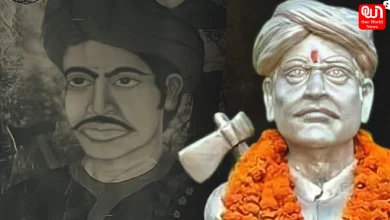
Today, Birsa Munda is revered as Dharti Aba—the Father of the Earth. Statues stand in his honor, institutions bear his name, and his legacy continues to inspire generations. Yet, his story remains unfamiliar to many, overshadowed by louder narratives of history.
Why Birsa Munda Still Matters Today
True freedom fighters do not always wear crowns or command armies. Some rise from the soil and return to it as legends. Birsa Munda reminds us that resistance can come from the margins and still reshape the conscience of a nation.
Remembering the Conscience of a Nation
At One World News, we believe history deserves honesty and legends deserve remembrance. Birsa Munda was not just a tribal leader—he was the moral voice of a nation silenced too often. Remembering him is not an act of nostalgia; it is an act of justice.
We’re now on WhatsApp. Click to join.
Like this post?
Register at One World News to never miss out on videos, celeb interviews, and best reads.