
Digital Identity, Sustainability, and the Hidden Environmental Cost of Online Verification Systems

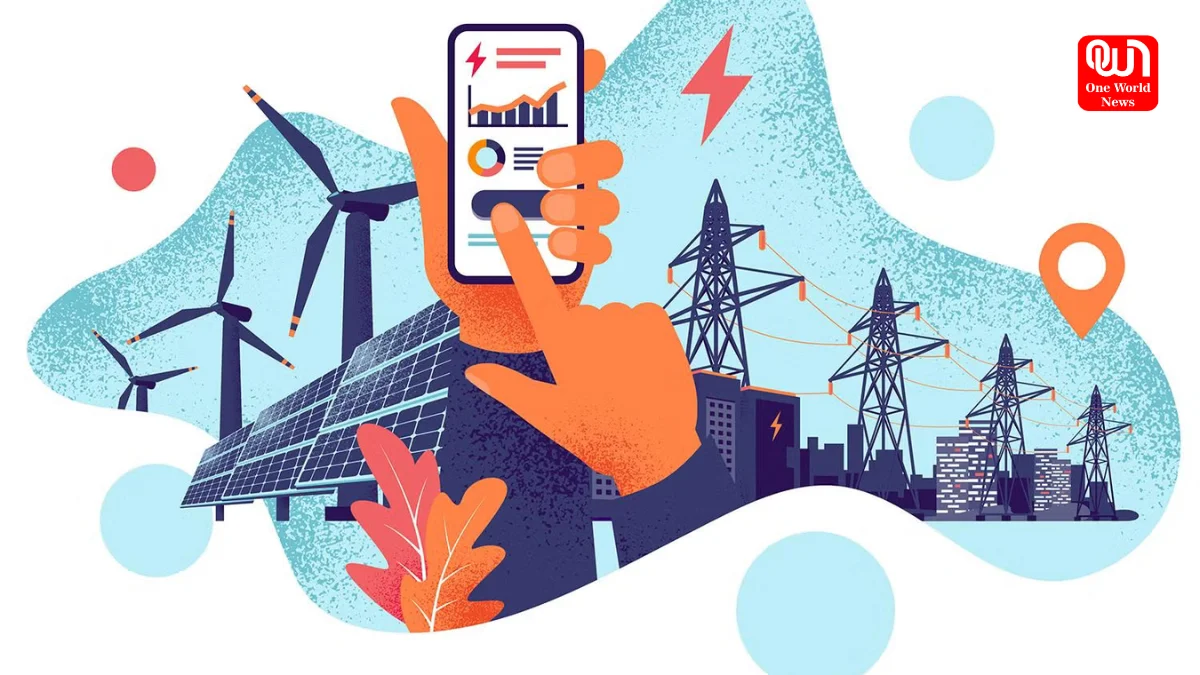
The Rise of Digital Verification in a Low-Carbon Internet Era
As more services move online, digital identity verification has become a foundational layer of modern internet infrastructure. From signing up for apps to accessing financial platforms, users are constantly asked to confirm their identity through SMS codes, email links, or two-factor authentication systems. While these systems improve security and reduce fraud, they also contribute to an expanding digital footprint that is rarely discussed in sustainability conversations.
Sustainability reporting from the BBC highlights how global digital infrastructure—especially data centers and network systems—now accounts for a growing share of worldwide energy consumption: BBC Technology Coverage. Even simple verification actions, when scaled globally, add up to significant resource use.
The Environmental Footprint Behind “Simple” SMS Verification
At first glance, SMS verification seems lightweight and harmless. A short message is sent, a code is entered, and access is granted. However, behind the scenes, this process triggers multiple layers of global infrastructure.
Every verification request typically involves:
- Telecom routing across multiple network nodes
- Cloud-based authentication systems
- Data center processing workloads
- Fraud detection and security validation layers
When multiplied across billions of daily logins, these micro-processes create a measurable energy footprint.
Forbes has also reported that the rapid expansion of cloud services is pushing companies to rethink long-term efficiency strategies: Forbes Technology Insights.
Rethinking Verification: Efficiency Meets Accessibility
As digital platforms scale, businesses are exploring more efficient ways to manage authentication workflows. One example in this space is Slips Free SMS Online Service, which reflects how SMS-based verification tools are being streamlined for modern digital environments.
From a sustainability perspective, the focus is shifting toward reducing unnecessary system load while maintaining usability. More efficient verification flows can help:
- Reduce redundant authentication requests
- Lower backend processing demands
- Improve onboarding speed
- Minimize repeated system calls
- Optimize server resource usage
When scaled, these improvements contribute to lower overall digital infrastructure strain.
The Hidden Energy Cost of Digital Security Systems
Digital security systems are essential, but they are not energy-neutral. Every authentication request travels through multiple systems that must validate, store, and process user data in real time.
Core Components of SMS Verification Systems
| Component | Environmental Role | Function |
| Telecom networks | Energy use from routing | Message delivery |
| Cloud servers | Continuous processing load | Code generation & validation |
| Security systems | High compute usage | Fraud prevention |
| Databases | Persistent read/write operations | Identity storage |
Business Insider has reported that cloud infrastructure growth is significantly increasing global energy demand across the tech sector: Business Insider Tech Coverage.
Why Sustainability Now Includes Digital Infrastructure
Sustainability is no longer limited to physical industries. Digital ecosystems now contribute significantly to global energy consumption due to cloud computing, real-time authentication, and always-on systems.
Modern sustainability strategies increasingly include:
- Efficient cloud architecture
- Reduced computational redundancy
- Smarter authentication workflows
- Lower-data communication protocols
- Energy-conscious infrastructure design
Read More: iPhone Ultra or iPhone Fold? Here’s Everything the Leaks Say About Apple’s 2026 Foldable
Balancing Security, Usability, and Environmental Efficiency
One of the biggest challenges in system design is balancing security, usability, and sustainability. SMS verification remains widely used because it is simple and universal, but it is not always the most efficient approach.
System designers must ensure:
- Strong fraud protection
- Seamless user experience
- Minimal infrastructure overhead
- Reduced unnecessary verification cycles
The goal is not removing verification, but optimizing how it operates at scale.
The Future of Lightweight Digital Authentication
As digital ecosystems evolve, authentication systems are expected to become more efficient and less resource-intensive. Approaches like token-based authentication, biometric verification, and decentralized identity systems aim to reduce repeated server communication while maintaining strong security.
In this future, even small improvements in verification workflows can contribute to meaningful reductions in global digital energy consumption, supporting both sustainability goals and improved system performance.
We’re now on WhatsApp. Click to join.
Like this post?
Register at One World News to never miss out on videos, celeb interviews, and best reads.