PCB Supports BCB’s Refusal to Play T20 World Cup Matches in India
Pakistan Cricket Board has backed BCB’s refusal to play T20 World Cup matches in India as ICC prepares to decide on the issue.

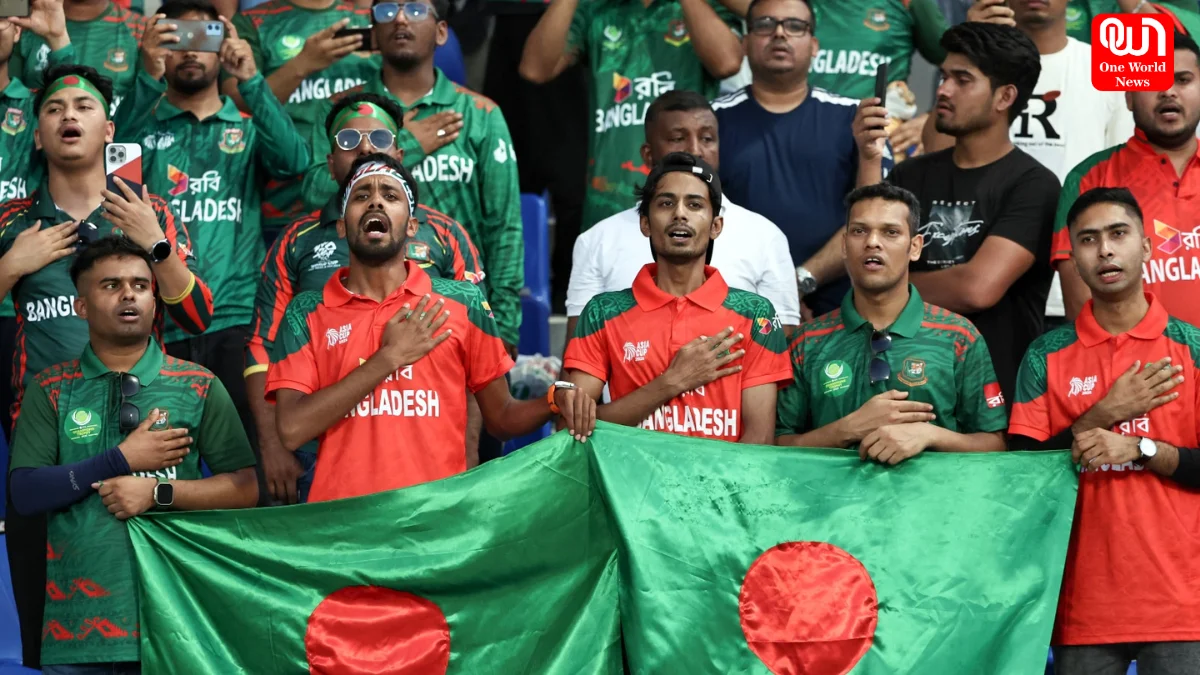
Pakistan Cricket Board Backs BCB as ICC Faces Pressure Over T20 World Cup 2026 Matches in India
In a significant development ahead of a key governing meeting, the Pakistan Cricket Board has reportedly written to the International Cricket Council, expressing support for the Bangladesh Cricket Board and its refusal to play matches of the T20 World Cup 2026 in India.
The letter was reportedly sent just a day before an important ICC board meeting that is expected to take a final call on the matter. While the communication has kept ICC members informed of Pakistan’s position, it is believed that the letter may not significantly influence the governing body’s final decision.
Read more: Political Roundup: India’s Key Political Developments Today
ICC Unlikely to Change Tournament Schedule
Despite mounting pressure, the ICC has reportedly made it clear to the Bangladesh board that the tournament schedule will not be altered. The T20 World Cup 2026 is set to be co-hosted by India and Sri Lanka, with matches already allotted across multiple venues.
Bangladesh is scheduled to play its group-stage matches in Kolkata and Mumbai. However, the BCB has requested that its fixtures be shifted entirely to Sri Lanka, citing safety and political concerns.
Why BCB Is Refusing to Travel to India
The dispute intensified after Bangladesh pacer Mustafizur Rahman was released by IPL franchise Kolkata Knight Riders following instructions from the Board of Control for Cricket in India.
The decision sparked strong reactions in Bangladesh, where officials raised concerns about the treatment of their players and broader security issues. The BCB formally cited safety concerns in India as the primary reason for its refusal to play World Cup matches there.
The controversy was further fueled by public outrage in India over Mustafizur Rahman’s participation in the IPL amid reports of attacks on minorities in Bangladesh, adding a political dimension to what was initially a sporting issue.
PCB’s Alleged Role and Unconfirmed Proposals
According to unconfirmed reports, the Pakistan Cricket Board may have offered to host matches involving Bangladesh if the situation escalates further. There were also rumours that Pakistan could reconsider its own participation in the tournament depending on how the ICC responds to BCB’s demands.
While these reports remain speculative, the PCB’s letter of support has added another layer of complexity to an already tense situation. The ICC now faces the challenge of balancing logistical planning, political sensitivities, and the integrity of the tournament.
Internal Crisis Deepens in Bangladesh Cricket
The situation has been worsened by internal turmoil within Bangladesh cricket. Players reportedly boycotted cricketing activities following controversial remarks by former finance committee chairman M. Nazmul Islam.
He claimed that players would not be compensated if Bangladesh withdrew from the T20 World Cup and suggested that underperforming players should return the large sums spent on them by the board.
Nazmul also sparked outrage by labeling Bangladesh batting legend Tamim Iqbal an “Indian agent” after Tamim suggested that the board reconsider its stance on playing in India.
These remarks drew strong condemnation from the Cricketers Welfare Association of Bangladesh, which demanded Nazmul’s resignation and defended the players’ rights and dignity.
ICC Faces a Delicate Decision
With the T20 World Cup less than a year away, the ICC is under pressure to ensure that the tournament proceeds smoothly without setting precedents that could disrupt future events. Allowing teams to refuse venues could create long-term scheduling and governance challenges.
At the same time, ignoring security and diplomatic concerns risks alienating member boards and players.
Read more: From PM Modi to Meloni: Who Has Been Invited to Trump’s Gaza Board Of Peace?
What Happens Next
As the ICC board prepares to take a final call, the standoff highlights how geopolitics, player welfare, and governance are increasingly intertwined in international cricket. Whether compromise or confrontation prevails, the outcome is likely to shape how future global tournaments are managed.
For now, the T20 World Cup remains on schedule — but the debate surrounding it shows no signs of fading.
We’re now on WhatsApp. Click to join.
Like this post?
Register at One World News to never miss out on videos, celeb interviews, and best reads.