World Wildlife Day: Celebrating Nature While Protecting What Remains
World Wildlife Day raises awareness about protecting animals and ecosystems vital to biodiversity, balance, and the future of life on Earth.

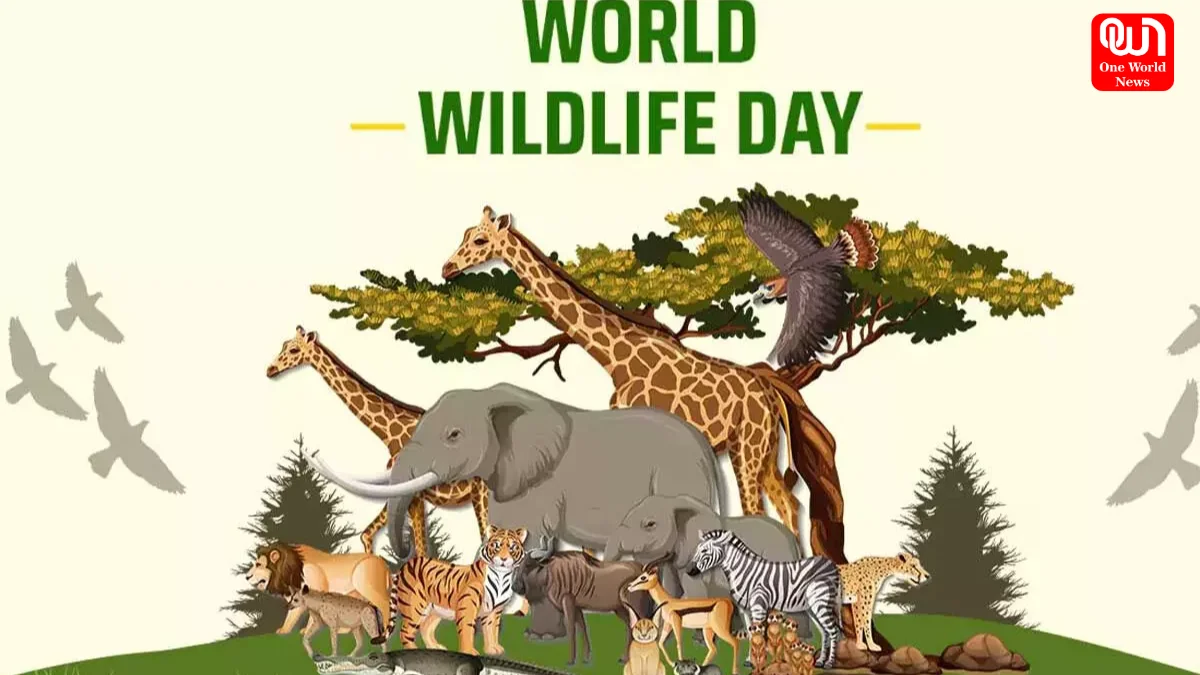
World Wildlife Day: Why Protecting Earth’s Wildlife Is Essential for Our Shared Future
World Wildlife Day is observed every year on March 3, serving as a global reminder of the importance of protecting wild animals, plants, and the ecosystems they depend on. Established by the United Nations, the day highlights how closely human survival is linked to the health of wildlife and biodiversity.
At a time when species extinction is accelerating due to human activity, World Wildlife Day calls for awareness, responsibility, and action.
Why World Wildlife Day Matters
Wildlife plays a critical role in maintaining ecological balance. From pollination and seed dispersal to climate regulation and food security, animals and plants support life in ways often taken for granted.
World Wildlife Day emphasizes that biodiversity loss is not just an environmental issue — it is a social, economic, and ethical concern. Healthy ecosystems support agriculture, medicine, and livelihoods for millions of people worldwide.
When wildlife disappears, ecosystems weaken, and humanity ultimately pays the price.
The Growing Threats to Wildlife
Across the globe, wildlife faces unprecedented threats. Habitat destruction due to deforestation, urban expansion, and industrial development has displaced countless species. Climate change is altering migration patterns, food availability, and breeding cycles.
Illegal wildlife trade remains one of the most serious dangers. Animals are trafficked for skins, ivory, exotic pets, and traditional medicines, pushing many species to the brink of extinction.
World Wildlife Day brings attention to these threats while urging governments and individuals to strengthen protection measures.
Endangered Species and the Risk of Extinction
Thousands of species are currently classified as endangered or critically endangered. Iconic animals such as elephants, rhinos, tigers, and marine species face constant pressure from poaching and environmental degradation.
However, extinction is not limited to well-known animals. Countless lesser-known species vanish quietly each year, often before scientists can study them. Each loss reduces biodiversity and weakens natural systems.
World Wildlife Day reminds us that conservation must extend beyond flagship species to entire ecosystems.
Conservation Efforts That Make a Difference
Despite the challenges, conservation success stories offer hope. Protected wildlife reserves, anti-poaching initiatives, habitat restoration projects, and international cooperation have helped stabilize some species populations.
Community-led conservation has proven especially effective. When local communities benefit from protecting wildlife through sustainable tourism and education, conservation becomes a shared goal rather than an imposed rule.
Read more: Political Roundup: Key Power Shifts and Global Pressures Today
World Wildlife Day highlights these positive efforts to inspire continued action and global cooperation.
The Human Responsibility Toward Wildlife
Human activity has been the primary driver of wildlife decline, which means humans also hold the power to reverse the damage. Responsible consumption, reducing waste, supporting ethical products, and protecting natural habitats all contribute to conservation.
Education plays a crucial role. When people understand the importance of wildlife, they are more likely to support policies and practices that protect it.
World Wildlife Day encourages individuals to reflect on their daily choices and how those choices affect the natural world.
Wildlife and Climate Change
Climate change has intensified the struggle for wildlife survival. Rising temperatures, melting ice, droughts, and extreme weather events are reshaping ecosystems faster than many species can adapt.
Animals dependent on specific habitats, such as polar regions or coral reefs, are particularly vulnerable. World Wildlife Day underscores the connection between climate action and wildlife protection, stressing that environmental challenges cannot be addressed in isolation.
Protecting wildlife also helps combat climate change, as forests, oceans, and wetlands act as natural carbon sinks.
How World Wildlife Day Is Observed
On World Wildlife Day, governments, environmental organizations, schools, and communities organize events, campaigns, and educational programs. Social media plays a major role in spreading awareness and highlighting conservation stories.
Read more: Bengaluru Airport Staff Accused of Harassing South Korean Tourist, Arrested
Many people use the day to support wildlife charities, learn about endangered species, or engage in conservation activities. The goal is not just celebration, but meaningful awareness that leads to long-term commitment.
Looking Ahead
The future of wildlife depends on choices made today. As human populations grow and development accelerates, the pressure on natural habitats will only increase unless sustainable practices are adopted.
World Wildlife Day serves as both a warning and a call to action. It reminds us that wildlife is not separate from humanity — it is an essential part of the planet we share.
Protecting wildlife means protecting life itself. And the responsibility belongs to all of us.
We’re now on WhatsApp. Click to join.
Like this post?
Register at One World News to never miss out on videos, celeb interviews, and best reads.