World Tuna Day 2026: Why the World Is Focusing on Sustainable Tuna Fishing
World Tuna Day 2026 highlights tuna conservation and sustainable fishing. Learn why World Tuna Day 2026 matters for oceans, food security, and marine life.

World Tuna Day 2026 – Understanding the Importance of Tuna Conservation, Sustainable Fishing, and the Global Effort to Protect Ocean Ecosystems
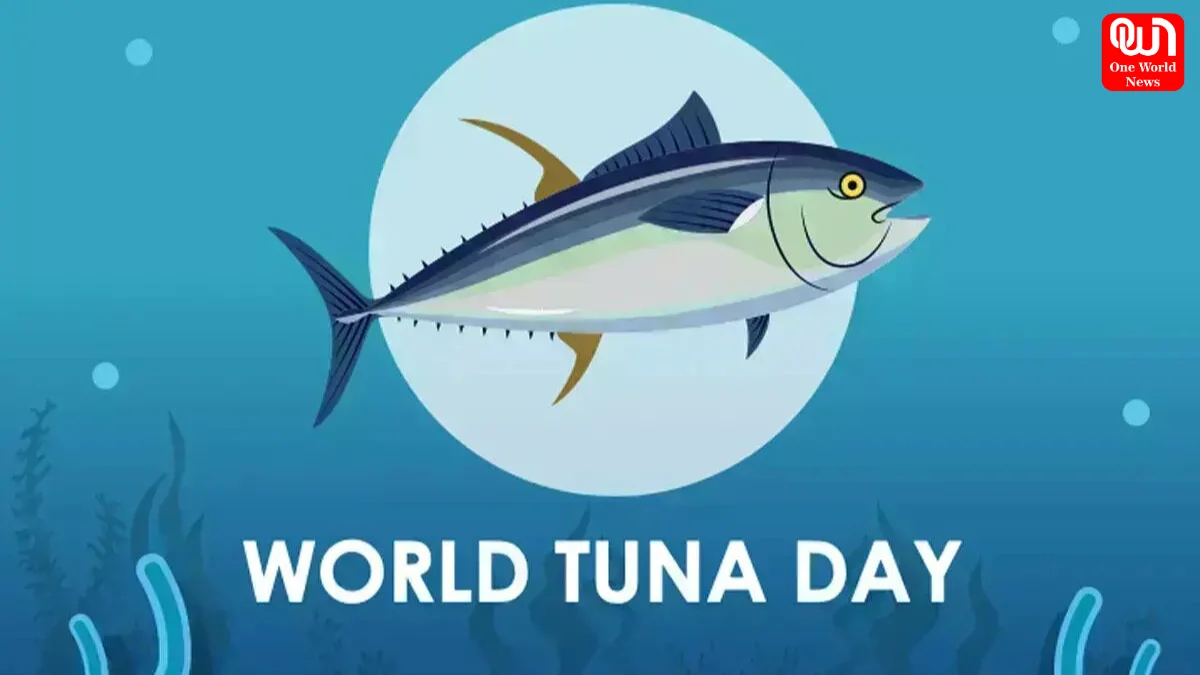
On May 2, 2026, countries around the world observe World Tuna Day 2026, a global awareness day dedicated to protecting one of the most important fish species in the ocean. Tuna is not only a key part of marine ecosystems but also a vital source of food and economic livelihood for millions of people. World Tuna Day 2026 reminds governments, industries, and consumers that sustainable fishing practices are necessary to ensure that tuna populations remain healthy for future generations.
The Origin of World Tuna Day
The United Nations officially established World Tuna Day in 2016 after recognizing the growing pressure on global tuna populations. Tuna species such as skipjack, yellowfin, bigeye, and bluefin are among the most commercially valuable fish in the world. Because of their high demand in international seafood markets, tuna fisheries expanded rapidly over the past decades. As a result, concerns about overfishing and declining populations became serious environmental issues. World Tuna Day 2026 continues the mission of raising awareness about responsible fishing and better management of tuna stocks worldwide.
read more: World Wish Day 2026: Celebrating the Power of Hope and Life-Changing Wishes
Why Tuna Is So Important Globally
Tuna plays a critical role in both the environment and the global food system. It is one of the most widely consumed seafood products and contributes significantly to food security in many coastal and island nations. Millions of people rely on tuna fishing, processing, and trade for employment and income. The economic value of the global tuna industry is estimated in billions of dollars each year. During World Tuna Day 2026, international organizations highlight how sustainable tuna management can support livelihoods while also protecting ocean biodiversity.
The Environmental Challenge
One of the main reasons World Tuna Day 2026 is important is the growing concern about overfishing. Modern industrial fishing fleets, combined with rising seafood consumption, have placed enormous pressure on marine ecosystems. Some tuna species, especially bluefin tuna, have faced severe population declines in the past due to excessive fishing. Conservation experts emphasize that without strict fishing quotas and monitoring systems, tuna populations could be at risk in the long term. This is why scientists, governments, and environmental groups use World Tuna Day 2026 as a platform to encourage responsible fisheries management.
Sustainable Fishing Efforts
Around the world, new policies and technologies are being introduced to ensure tuna fishing remains sustainable. Regional fisheries management organizations now regulate catch limits, fishing seasons, and monitoring systems. Satellite tracking, improved fishing gear, and stricter international agreements are helping reduce illegal fishing activities. On World Tuna Day 2026, global institutions emphasize that collaboration between nations is essential because tuna migrate across vast ocean territories. Protecting these species requires coordinated international action.
The Role of Consumers
Consumers also play a major role in supporting the goals of World Tuna Day 2026. Choosing sustainably sourced tuna products can help reduce pressure on overfished stocks. Many seafood labels and certifications now help shoppers identify responsibly caught tuna. By supporting sustainable brands and fisheries, individuals contribute directly to the protection of ocean ecosystems. Awareness campaigns during World Tuna Day 2026 encourage people to learn where their seafood comes from and how their choices affect marine life.
Tuna and Ocean Ecosystems
Beyond economic value, tuna are vital predators in marine ecosystems. They help maintain balance within ocean food chains by regulating populations of smaller fish and marine organisms. If tuna populations decline dramatically, the entire marine ecosystem can become unstable. Scientists often describe tuna as an indicator species — meaning their health reflects the overall health of ocean environments. Through events, discussions, and educational initiatives, World Tuna Day 2026 highlights the importance of maintaining this ecological balance.
read more: Healthy Kids Day 2026: Celebrating Active, Happy, and Healthy Childhoods
Global Awareness and Future Responsibility
Every year, World Tuna Day reminds the international community that ocean resources are not unlimited. Sustainable management is essential to ensure that future generations can continue to rely on marine biodiversity for food and livelihoods. Governments, environmental organizations, scientists, and fishing communities are working together to create long-term strategies that protect tuna stocks while supporting global seafood demand.
As World Tuna Day 2026 is observed worldwide, the message remains clear: protecting tuna means protecting the oceans themselves. Responsible fishing, informed consumer choices, and strong international cooperation are the keys to maintaining healthy tuna populations. By recognizing the importance of tuna and taking action today, the world can ensure that these remarkable ocean species continue to thrive for decades to come.
We’re now on WhatsApp. Click to join.
Like this post?
Register at One World News to never miss out on videos, celeb interviews, and best reads.