World Curlew Day 2026: Raising Awareness for the Protection of Curlew Birds
World Curlew Day 2026 raises awareness about curlew birds and the urgent need for conservation to protect these iconic wading species.

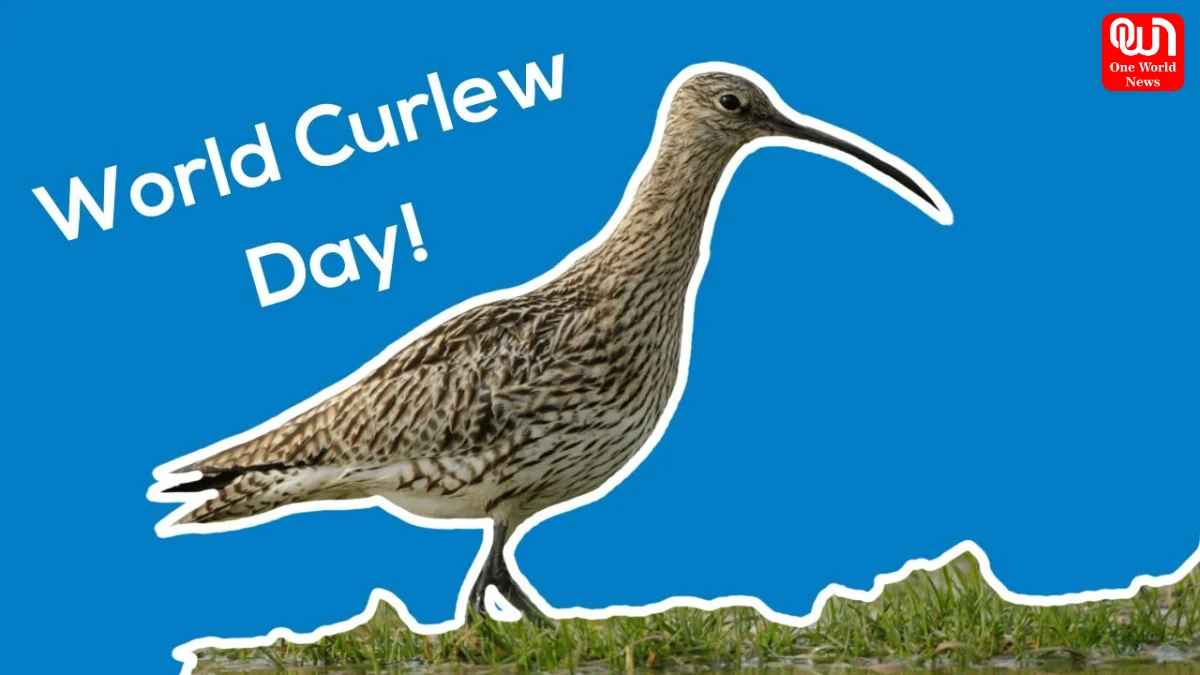
World Curlew Day 2026: Why This Global Awareness Day Highlights the Urgent Need to Protect the Iconic Curlew Bird
On April 21, 2026, environmentalists, bird lovers, and conservation groups across the world will observe World Curlew Day 2026, an annual awareness event dedicated to protecting curlews — distinctive wading birds known for their long curved beaks and haunting calls. The day highlights the challenges these birds face due to habitat loss, climate change, and human activities while encouraging global conservation efforts.
World Curlew Day is not just about celebrating a bird species; it is about reminding the world that protecting biodiversity is essential for maintaining ecological balance.
What Is World Curlew Day?
World Curlew Day is observed every year on April 21 to raise awareness about the declining population of curlews and the importance of protecting their habitats. The day was established in 2017 by conservationist Mary Colwell, who has worked extensively on curlew conservation projects and environmental advocacy.
The date was chosen for several symbolic reasons. It marks the average first nesting date for curlews in parts of Europe and also coincides with a traditional story associated with Saint Beuno, regarded as the patron saint of curlews.
The initiative began as a grassroots campaign but has since gained international support from conservation organizations, environmental groups, and wildlife enthusiasts worldwide.
Understanding the Curlew Bird
Curlews are large wading birds belonging to the sandpiper family. They are easily recognizable by their long, downward-curving bills, mottled brown feathers, and distinctive echoing calls that can be heard across wetlands and grasslands.
Reads more: Vitamin C Serum: Can It Really Make Skin Fairer, Or Is It a Myth?
These birds inhabit coastal regions, marshes, and open landscapes where they search for insects, worms, and small crustaceans in the soil. Some species migrate thousands of kilometers between breeding and wintering grounds, making them an important part of global migratory bird ecosystems.
Beyond their ecological role, curlews have inspired poets, artists, and nature lovers for centuries due to their unique appearance and melancholic call.
Why Curlews Are Under Threat
Despite their cultural and ecological importance, curlew populations have been declining in many parts of the world. Several factors contribute to this trend, including:
-
Habitat loss due to urban development and agricultural expansion
-
Climate change, which alters breeding and migration patterns
-
Changes in land use that reduce safe nesting areas
-
Predation and human disturbance
In some regions, curlews have become one of the most urgent bird conservation priorities, highlighting the need for immediate protective measures.
In recent years, scientists have also warned that some curlew species face extremely high risks of extinction if conservation efforts do not improve.
How World Curlew Day 2026 Is Celebrated
Across the globe, World Curlew Day 2026 will be marked by educational events, birdwatching walks, conservation campaigns, and community awareness programs.
Schools, wildlife organizations, and environmental groups often organize activities such as:
-
Public talks and webinars on bird conservation
-
Art and photography competitions celebrating wildlife
-
Social media campaigns to spread awareness
-
Field trips and guided birdwatching events
The aim is to encourage people from all backgrounds to learn about curlews and support conservation initiatives.
Importantly, organizers emphasize that anyone can participate — from scientists and educators to students and nature enthusiasts.
Reasd more: Powder Foundation vs Liquid Foundation: Which Lasts Longer?
Why Conservation Matters
Protecting curlews goes beyond saving a single species. Curlews are indicators of healthy ecosystems, particularly wetlands and grasslands. When their populations decline, it often signals broader environmental problems affecting other wildlife as well.
Conservation efforts focused on curlews often include habitat restoration, sustainable land management, and public awareness programs. These measures benefit not only curlews but also many other bird and animal species that share the same habitats.
World Curlew Day serves as a reminder that safeguarding biodiversity is a collective responsibility.
Looking Ahead
As World Curlew Day 2026 approaches, conservationists hope the event will inspire more people to take an interest in wildlife protection. The survival of curlews depends on sustained global cooperation, scientific research, and community involvement.
By raising awareness and encouraging action, World Curlew Day ensures that the distinctive call of the curlew continues to echo across wetlands and grasslands for generations to come.
Ultimately, the day celebrates not only the beauty of a remarkable bird but also the power of collective effort in protecting the natural world.
We’re now on WhatsApp. Click to join.
Like this post?
Register at One World News to never miss out on videos, celeb interviews, and best reads.