
Who Is Arohi Mim? Actress, Viral Controversy, and the Truth About Fake Links
Arohi Mim is a Bangladeshi actress linked to an MMS viral controversy. Here’s what’s known and how to identify fake and misleading links.

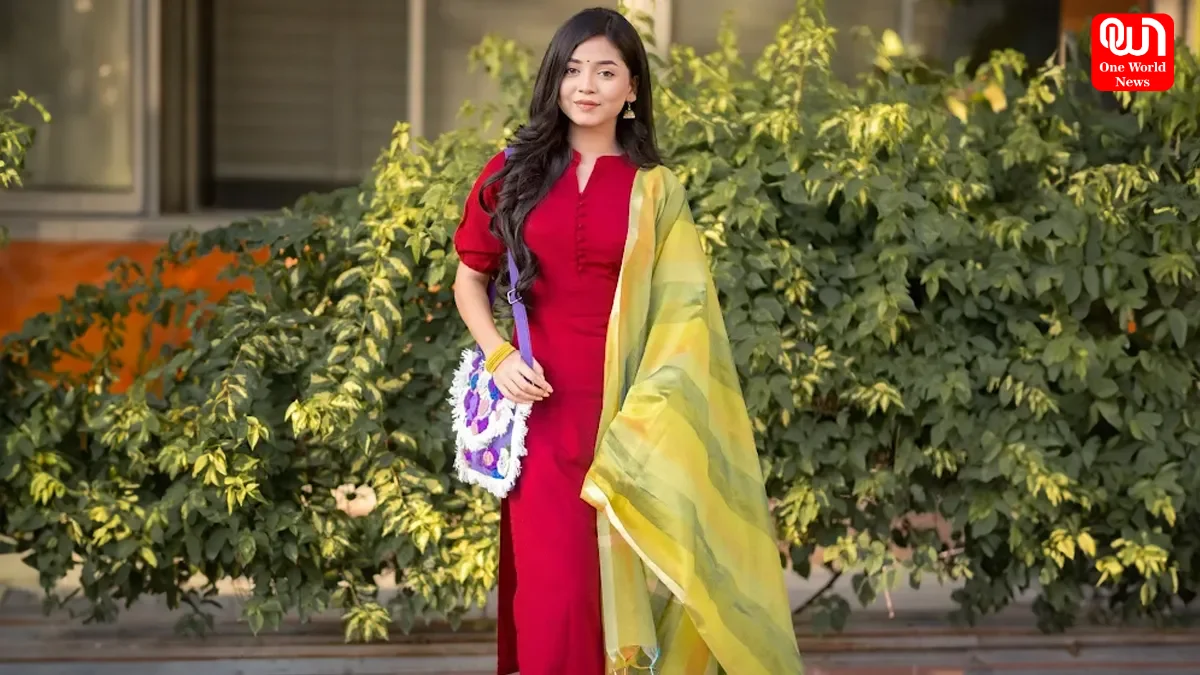
Who Is Arohi Mim? Bangladeshi Actress Linked to MMS Viral Video Controversy and How to Spot Fake Links
On January 2026, the name Arohi Mim began trending widely on social media platforms after claims surfaced linking the Bangladeshi actress to an alleged MMS viral video. The sudden surge of online attention sparked confusion, speculation, and widespread sharing of unverified links, raising serious concerns about misinformation and digital safety.
Who Is Arohi Mim?
Arohi Mim is a Bangladeshi actress known for her work in television dramas and digital entertainment projects. She has built a following through her on-screen performances, modeling work, and presence on social media platforms. Prior to the controversy, she was primarily recognized for her acting roles and growing popularity in the Bangladeshi entertainment industry.
Like many young actors, Arohi Mim has used digital platforms to connect with fans, share professional updates, and build her public image. This visibility, however, also made her vulnerable to online rumors and targeted misinformation.
The MMS Viral Video Controversy Explained
The controversy surrounding Arohi Mim began when posts claiming the existence of a private MMS video started circulating across social media, messaging apps, and clickbait websites. These posts often used sensational headlines and misleading thumbnails to attract attention.
Importantly, no verified or credible source has confirmed the authenticity of any such video. In many similar cases involving public figures, alleged “viral MMS” claims have later been exposed as fabricated, edited, or entirely fake — created to generate traffic, revenue, or harassment.
Such controversies often spread rapidly because of shock value, even when evidence is lacking.
How Misinformation Spreads So Quickly
The digital ecosystem allows unverified content to go viral within minutes. Algorithms prioritize engagement, not accuracy, which means controversial claims often spread faster than factual corrections.
In the case of Arohi Mim, many posts encouraged users to click external links promising access to the video. These links are often dangerous and misleading, designed to exploit curiosity rather than provide truth.
This pattern is not unique and has affected many public figures, especially women in entertainment.
read more: World Day of Prayer: Meaning, Significance, and Global Impact
How to Spot Fake Links and Avoid Scams
The controversy highlights the importance of digital awareness. Here are key ways to identify fake or harmful links:
• Sensational headlines using words like “leaked,” “exclusive,” or “shocking”
• Links redirecting through multiple pop-up pages
• Requests to download unknown files or apps
• Pages asking for personal information or phone numbers
• URLs that do not belong to recognized news organizations
Legitimate news outlets do not host explicit leaked content or force users through unsafe redirects. If a link seems suspicious, it likely is.
The Human Cost of Viral Rumors
Beyond clicks and views, such controversies carry real consequences. False claims can damage reputations, affect mental health, and create long-term personal and professional harm.
Public figures like Arohi Mim often become targets of online harassment, judgment, and speculation without any proof. This reflects a broader issue of how women in the public eye are disproportionately subjected to character attacks through fabricated scandals.
Legal and Ethical Implications
Sharing or promoting unverified private content — real or fake — can have legal consequences in many countries. Privacy laws, cybercrime regulations, and defamation statutes exist to protect individuals from such abuse.
Ethically, users have a responsibility to question content before sharing it. Clicking or forwarding unverified links contributes to the spread of harm, even if done out of curiosity.
The Bigger Picture: Digital Responsibility
The case involving Arohi Mim serves as a reminder of how easily misinformation can spread and how important digital responsibility has become. Audiences play a critical role in either stopping or amplifying harmful narratives.
Read more: World Day of Prayer: Meaning, Significance, and Global Impact
Verifying sources, avoiding suspicious links, and respecting personal privacy are essential steps in creating a healthier online environment.
Conclusion
While Arohi Mim remains a recognized Bangladeshi actress, the viral controversy surrounding her name appears to be driven largely by unverified claims and misleading online behavior. There is no confirmed evidence supporting the alleged MMS video, and many circulating links are likely fake or unsafe.
In an age of instant virality, truth often struggles to keep pace with rumors. Staying informed, cautious, and responsible online is the best way to protect both public figures and ourselves.
We’re now on WhatsApp. Click to join.
Like this post?
Register at One World News to never miss out on videos, celeb interviews, and best reads.