Alina Amir Viral MMS Video: Deepfake Claims and How to Stay Safe Online
Alina Amir Viral MMS Video controversy explained, influencer response, deepfake dangers, and how to identify fake and harmful links online.

Alina Amir Viral MMS Video: What the Influencer Said, the Deepfake Truth, and How to Identify Fake Links Online
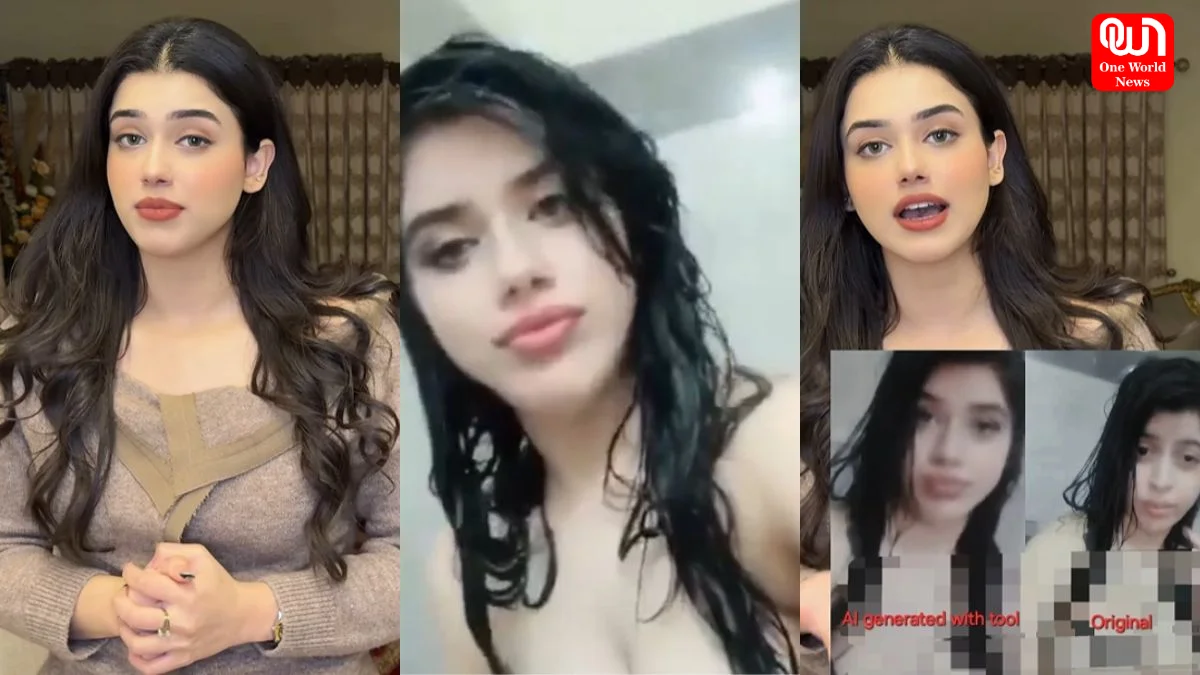
The Alina Amir Viral MMS Video controversy recently sparked widespread confusion and concern across social media platforms. A four-minute clip, falsely attributed to the influencer, began circulating rapidly, accompanied by misleading captions and “watch full video” links. Within hours, speculation turned into viral misinformation.
Alina Amir has since clarified that the video is not real and was created using AI-based deepfake technology. The incident highlights the growing dangers of digital impersonation, online harassment, and cyber fraud — especially for women with a public presence.
Who Is Alina Amir and How the Controversy Started
Alina Amir is a well-known social media influencer and TikToker with a large online following. The controversy began when rumors surfaced about an alleged leaked MMS video linked to her name. Messages claiming access to the “original video” spread rapidly across messaging apps and social media platforms.
Many of these posts included suspicious links, encouraging users to click quickly before the content was “taken down.” In reality, these links led to unsafe websites, putting users at risk of fraud, malware, and data theft.
Read more: Karan Johar Announces Break From Social Media: “May the Universe Give Me Strength”
Alina Amir Breaks Her Silence
After days of silence, Alina Amir addressed the issue publicly through a video message on social media. She strongly condemned the circulation of fake and unverified content and confirmed that the viral clip was a deepfake, not an authentic video.
In her statement, she urged people to stop spreading false videos and appealed to authorities to take strict action against those creating and distributing AI-generated explicit content. She also acknowledged the efforts of cyber crime officials who intervened in the matter.
Amir emphasized that such attacks are not limited to influencers. Ordinary women are increasingly becoming victims of similar deepfake harassment, often without the resources or platform to defend themselves.
Why Deepfake Videos Are a Growing Threat
The Alina Amir Viral MMS Video case reflects a larger and more troubling digital trend. Deepfake technology allows scammers to create highly realistic fake videos using only a few images. These videos are often used to shame, threaten, blackmail, or silence women.
The emotional toll of such attacks is severe. Victims frequently report anxiety, fear, and social stigma. In many cases, fake videos are sent directly to family members, intensifying the trauma.
While public figures may eventually clarify the truth, countless victims remain unheard, making deepfake abuse one of the most dangerous forms of online harassment today.
The Hidden Dangers of ‘Viral MMS’ Links
Cybersecurity experts consistently warn against clicking on links claiming to show “viral” or “leaked” videos. These links are often traps designed to steal personal information, install malware, or gain access to banking apps and social media accounts.
Users may be asked to log in, download files, or enter payment details. In many cases, people lose money or have their accounts compromised — all while chasing content that never existed.
The Alina Amir Viral MMS Video links followed the same pattern, exploiting curiosity and urgency to manipulate users.
How to Recognise Fake and Dangerous Links
There are common warning signs users should watch for:
Links with blurry thumbnails, exaggerated headlines, or exact time stamps meant to appear “exclusive” are usually fake. Misspelled URLs, unusual domains, and links that pressure you to act quickly are major red flags.
Requests to download apps, log in again, or provide personal details should never be trusted. Legitimate content is not shared through anonymous, clickbait-style links.
Is the Alina Amir Viral MMS Video Real or Fake?
The answer is clear. The Alina Amir Viral MMS Video is fake. The influencer herself has confirmed that the clip circulating online was created using AI deepfake technology and does not feature her in any way.
There is no authentic or original MMS video, and all links claiming to show one are misleading and potentially dangerous.
Read more: Sakshi Shrivas Viral Video Controversy: Splitsvilla Couple Break Silence
A Broader Lesson in Digital Responsibility
This incident serves as a reminder of the importance of digital literacy and empathy. Sharing unverified content not only spreads misinformation but can cause serious harm to real people.
As deepfake technology becomes more advanced, awareness, caution, and accountability are more important than ever. The Alina Amir case is not just a viral story — it is a warning about the future of online safety.
We’re now on WhatsApp. Click to join.
Like this post?
Register at One World News to never miss out on videos, celeb interviews, and best reads.