
Japanese Eating Habits: 7 Simple Secrets That Help You Stay Slim Without Gym
Discover 7 Japanese Eating Habits that help people stay slim naturally without gym, crash diets, or calorie counting.

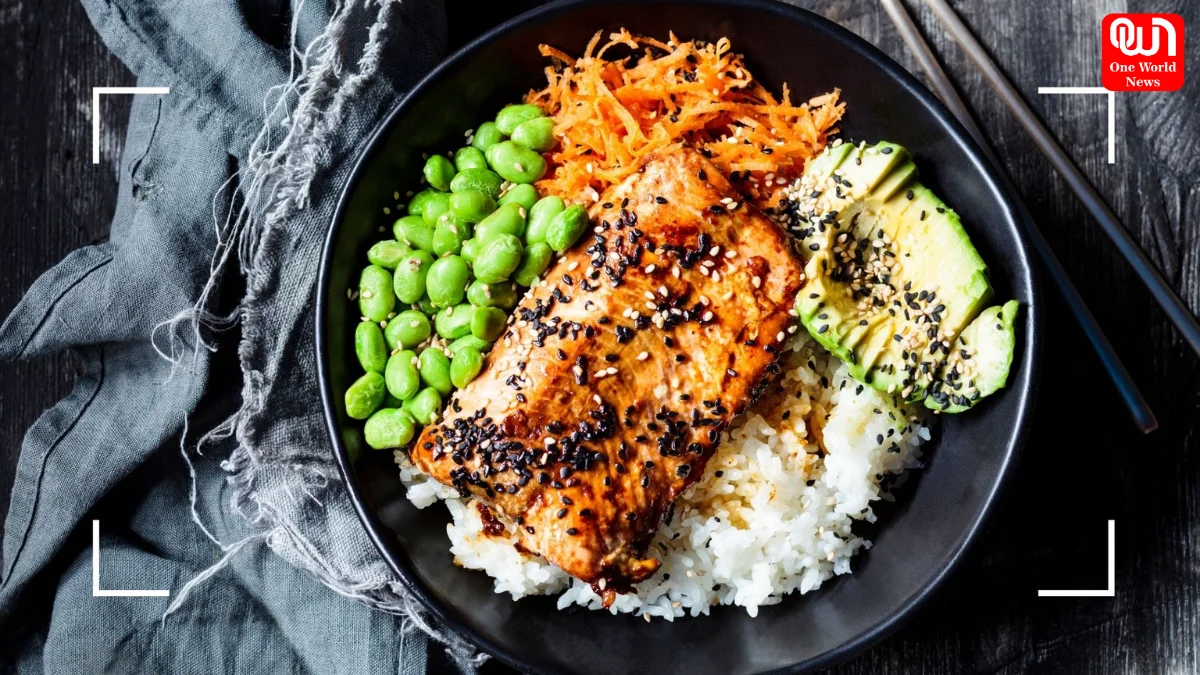
7 Japanese Eating Habits That Naturally Help You Stay Slim Without Exercise or Strict Dieting
Japan is known for having one of the lowest obesity rates in the world. Many Japanese people maintain a healthy weight without spending hours in the gym or following extreme diets. Their secret lies in simple lifestyle routines and mindful food choices. Traditional Japanese eating practices focus on balance, portion control, fresh ingredients, and mindful eating.
One of the most famous Japanese habits is Hara Hachi Bu, which means eating until you are 80% full instead of overeating. Studies linked to Okinawan longevity suggest that these habits may support healthy weight management and longer life expectancy.
If you want a sustainable and natural way to stay fit, these Japanese Eating Habits can help you improve your lifestyle without intense workouts.
1. Practice Hara Hachi Bu (Eat Until 80% Full)
One of the most powerful Japanese Eating Habits is Hara Hachi Bu. Instead of eating until they feel stuffed, many Japanese people stop when they are around 80% full.
This mindful eating technique helps reduce unnecessary calorie intake while improving digestion. Eating slowly also gives the brain enough time to recognize fullness signals, preventing overeating.
Experts believe this habit plays an important role in Okinawa’s famous longevity culture.
Why It Works
- Prevents overeating
- Supports healthy digestion
- Helps maintain calorie balance naturally
2. Eat Smaller Portions
Japanese meals are usually served in small bowls and plates. Portion sizes are naturally controlled, which helps reduce calorie consumption without feeling deprived.
Instead of one large meal, Japanese dining often includes:
- Rice
- Soup
- Vegetables
- Fish or tofu
- Fermented side dishes
This balanced style encourages variety and nutrition without excessive eating.
Benefits of Smaller Portions
- Better portion awareness
- Reduced binge eating
- Improved metabolism
3. Include More Fermented Foods
Fermented foods are a major part of traditional Japanese cuisine. Foods like miso, natto, pickled vegetables, and soy products support gut health and digestion.
A healthy gut can improve metabolism, reduce bloating, and help maintain a healthy body weight.
Research on Japanese dietary patterns highlights fermented foods as part of their longevity-focused lifestyle.
Popular Japanese Fermented Foods
- Miso soup
- Natto
- Pickled vegetables
- Soy sauce
4. Drink Green Tea Instead of Sugary Drinks
Green tea is one of the healthiest beverages commonly consumed in Japan. Unlike sugary sodas or high-calorie coffee drinks, green tea contains antioxidants and almost no calories.
Japanese people often drink green tea with meals, which may help support digestion and fat metabolism.
Why Green Tea Helps
- Rich in antioxidants
- Low in calories
- Helps reduce sugar intake
- May support fat burning
Read more: International Cat Day 2026: History, Importance, Celebration Ideas & FAQs
5. Eat More Fish and Less Processed Food
Traditional Japanese diets focus heavily on fresh fish, vegetables, rice, and seasonal ingredients rather than processed fast food.
Fish provides lean protein and healthy omega-3 fatty acids, which can help keep you full longer while supporting heart health.
Processed foods, on the other hand, are often high in sugar, unhealthy fats, and preservatives that contribute to weight gain.
Healthy Japanese Food Choices
- Grilled fish
- Seaweed
- Rice
- Fresh vegetables
- Tofu
6. Slow Down While Eating
Eating slowly is another important Japanese Eating Habit. Meals are treated as an experience rather than something rushed.
When you eat slowly:
- You chew food properly
- Digestion improves
- You feel full faster
- You avoid overeating
Mindful eating practices are strongly connected to healthier weight management and better eating control.
7. Walk More in Daily Life
Although this article focuses on eating habits, daily movement is still a major part of Japanese culture. Many Japanese people walk regularly instead of relying completely on cars.
Simple daily movement combined with mindful eating creates a balanced lifestyle that helps maintain a healthy body naturally.
Easy Ways to Add Movement
- Walk after meals
- Use stairs more often
- Stay active throughout the day
Read more: Panchayat Season 5 OTT Release Date: When And Where To Watch Jitendra Kumar’s Hit Series Online
Conclusion
The secret behind staying slim in Japan is not crash dieting or exhausting workouts. Instead, it comes from simple and sustainable habits followed consistently over time. From practicing Hara Hachi Bu to eating smaller portions and drinking green tea, these Japanese Eating Habits promote a healthier relationship with food.
By adopting even a few of these habits into your routine, you can improve digestion, control overeating, and maintain a healthier lifestyle naturally.
We’re now on WhatsApp. Click to join.
Like this post?
Register at One World News to never miss out on videos, celeb interviews, and best reads.