
Is Your Cutting Board Making You Sick? 6 Signs It Needs Replacing | Cutting Board Replacement Guide
Learn the signs cutting board needs replacing, when to change a cutting board, and why deep knife grooves, mould and bad smells can signal replacement.

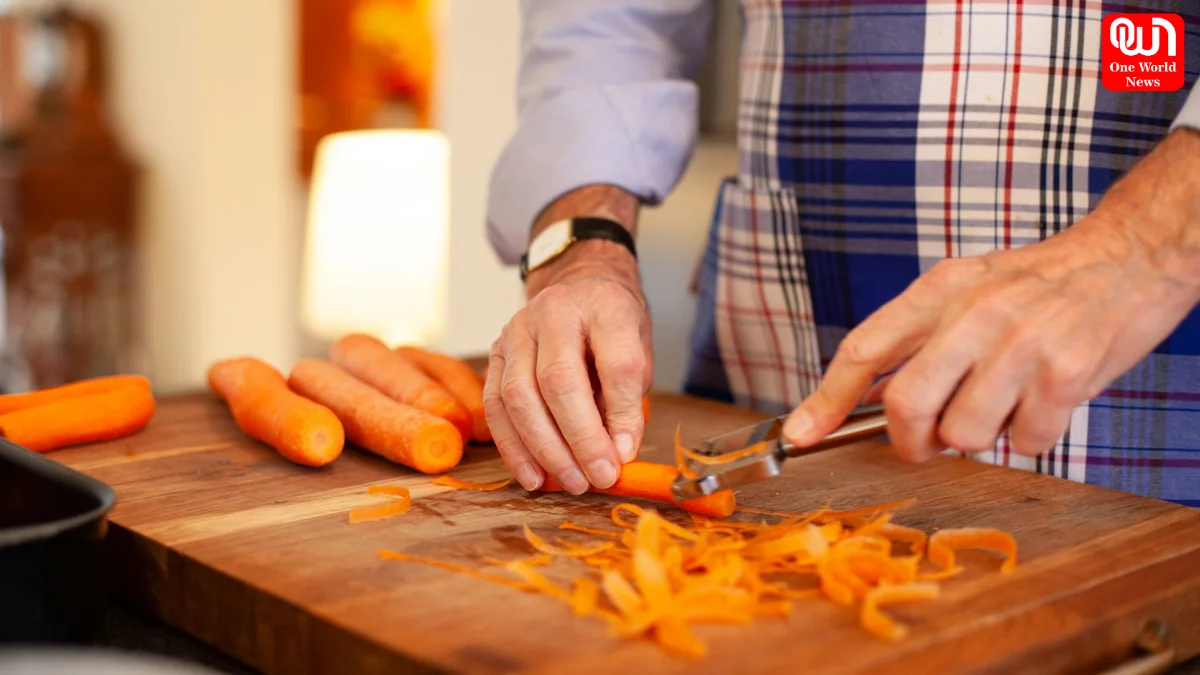
Is Your Cutting Board Making You Sick? 6 Signs It Needs Replacing, When to Change a Cutting Board, and Cutting Board Replacement Tips
Your cutting board may look like an ordinary kitchen tool, but it comes into contact with vegetables, fruits, bread, raw meat, poultry and seafood every day. Over time, repeated chopping and washing can leave behind scratches, cracks, stains and unpleasant odors. When a board becomes excessively worn, cleaning it properly can become difficult, creating a potential food-safety concern.
Knowing the signs cutting board needs replacing can help you decide when it is time to retire an old board. The USDA recommends replacing plastic and wooden cutting boards when they become excessively worn or develop hard-to-clean grooves.
Here are six important warning signs to watch for.
1. Deep Knife Grooves Cover The Surface
One of the clearest signs that you need cutting board replacement is the appearance of deep knife grooves. Small surface marks are normal, particularly on frequently used boards. However, deep cuts and grooves can become difficult to clean thoroughly.
Food particles and moisture may collect inside these damaged areas. USDA guidance specifically recommends discarding cutting boards when they become excessively worn or develop grooves that are difficult to clean.
Read more: Commemoration Day 2026: Date, Meaning, History & Significance
If your knife has created a network of deep cuts across the board, it is probably time to replace it.
2. You Notice Cracks Or Splits
Cracks, splits and broken sections are another important warning sign. A damaged cutting board can have narrow spaces where food residue and moisture accumulate.
This is especially important with wooden boards because excessive moisture and repeated use can contribute to surface damage. Instead of trying to keep using a severely cracked board, replacing it is generally the safer choice.
When considering when to change cutting board, visible structural damage should be high on your checklist.
3. Your Cutting Board Has Become Mouldy
A mouldy cutting board should not simply be ignored. Visible mold indicates that the board has developed conditions where unwanted growth can occur.
Mold can be particularly concerning when a board is repeatedly exposed to moisture and is not allowed to dry completely. USDA notes that mold can grow in damp environments and that cleaning is important for controlling mold.
If mold is appearing repeatedly or has become established in cracks and deep grooves, replacing the board is a sensible option rather than continuing to use a difficult-to-clean surface.
Read more: Walt Disney Day 2026: Date, History, Significance, And Ways To Celebrate
4. The Board Has A Persistent Bad Smell
A bad smell cutting board can be another indication that something is wrong. After normal washing, a cutting board should not continue to smell strongly of old food, meat, onions or other ingredients.
A persistent odor may suggest that food residue has become trapped in scratches, cracks or other damaged areas. If repeated washing does not eliminate the smell, consider replacing the board.
Remember that cleaning is essential: USDA recommends washing cutting boards with hot, soapy water after each use, followed by rinsing and drying.
5. The Surface Is Warped Or Unstable
A cutting board should provide a stable surface for chopping. If it has become badly warped, it can rock or move while you are cutting food.
An unstable board is not only inconvenient; it can also make food preparation more difficult and increase the possibility of accidental knife slips. If a board no longer sits securely on your countertop, replacing it can be a practical decision.
For wooden boards, proper cleaning and drying can help extend their useful life, but severe warping is a strong reason to consider a new one.
6. You Can No Longer Clean It Properly
Perhaps the most important question is simple: Can you still clean the board thoroughly?
If food particles remain stuck in grooves, stains cannot be removed, or cracks are difficult to reach with normal cleaning, the board may have reached the end of its useful life.
The FDA advises replacing excessively worn cutting boards because bacteria can grow in hard-to-clean grooves and cracks.
How Often Should You Replace A Cutting Board?
There is no universal calendar-based replacement date that applies to every cutting board. How long a board lasts depends on its material, construction, frequency of use and condition.
Instead of asking only how old the board is, inspect its surface regularly. If it has deep grooves, cracks, mold, persistent odors or excessive wear, those physical signs are more useful indicators for when to change cutting board.
How To Keep Your Cutting Board Safer
Proper care can help extend the useful life of a cutting board. Wash it with hot, soapy water after use, rinse it thoroughly and allow it to dry completely. USDA also recommends using separate boards for fresh produce and bread and for raw meat, poultry and seafood to reduce the risk of cross-contamination.
Plastic and other nonporous boards may be easier to clean, while solid wood boards can also be safely maintained when properly cared for. Regardless of material, once the surface becomes excessively worn or difficult to clean, replacement is the better choice.
Make Cutting Board Replacement Part Of Kitchen Safety
Your cutting board does not need to look perfect to be safe, but it should be cleanable, stable and free from serious damage. Deep knife grooves cutting board surfaces, cracks, mold, persistent odors and excessive wear are all reasons to take a closer look.
If your board has reached the point where ordinary cleaning is no longer enough, don’t wait for it to become a bigger problem. Recognizing the signs cutting board needs replacing can help you maintain a cleaner kitchen and reduce opportunities for cross-contamination.
A simple inspection every few weeks can tell you whether your trusted kitchen board still has plenty of life left—or whether it is finally time for a replacement.
We’re now on WhatsApp. Click to join.
Like this post?
Register at One World News to never miss out on videos, celeb interviews, and best reads.