IndiGo Crisis: Hundreds Of Flights Cancelled On Day 5; Mumbai, Delhi, Hyderabad Worst-Hit
IndiGo Crisis Deepens: Delays Turn Into Day-Long Meltdowns Across Major Airports

IndiGo’s Crew-Rule Shock Triggered India’s Biggest Flight Disruption in Years
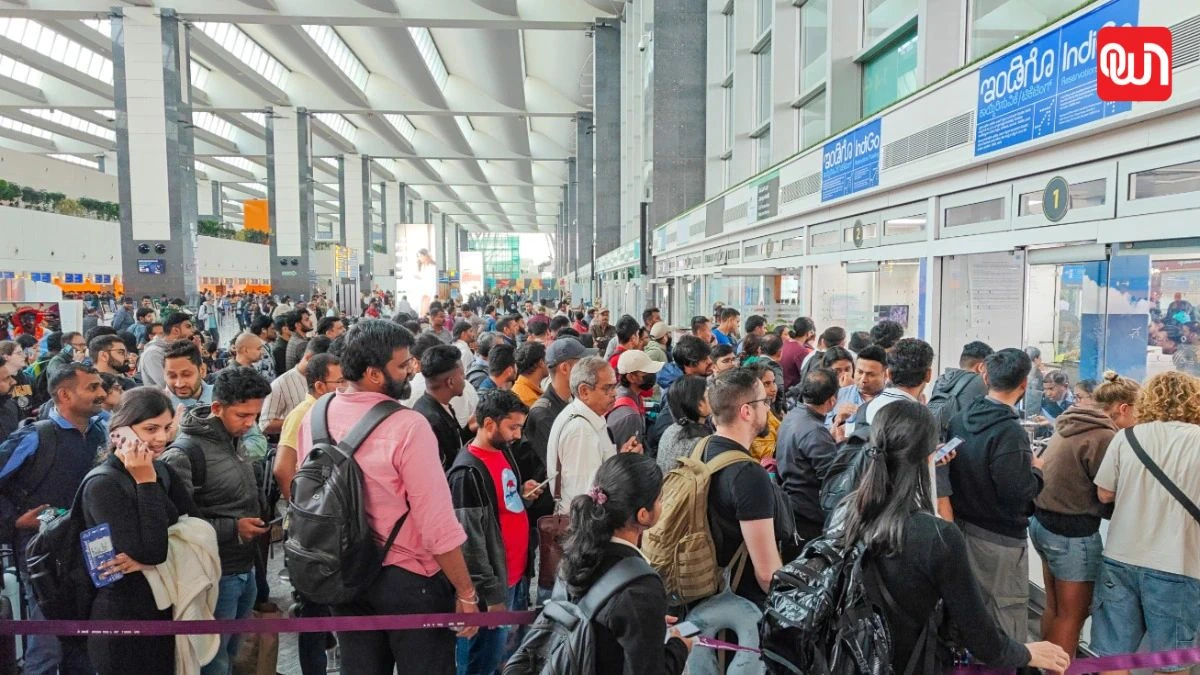
As of Saturday, December 6, 2025 — Day 5 of a nationwide disruption involving IndiGo — more than 800 flights were cancelled, even as the airline claimed that 95% of its network connectivity had been restored. The fallout has been especially severe at major hubs: Mumbai, Delhi and Hyderabad have emerged as the hardest-hit airports, with throngs of stranded passengers, frantic rebooking attempts, and deeply disrupted travel schedules.
What Caused the Disruptions?
New Crew Rest Rules — Old Planning
The core trigger behind the cancellations lies in newly enforced crew-duty and rest regulations by DGCA, under the framework known as Flight Duty Time Limitations (FDTL). Starting November 1, 2025, these rules mandated longer weekly rest, stricter caps on night flights and night landings, and limits on duty hours — measures aimed at improving pilot and crew safety.
While safety-minded, these changes were poorly assimilated by IndiGo, which operates one of the largest flight networks in India (over 2,200 flights daily). Because the airline failed to adjust its crew roster or buffer staffing accordingly — compounded by a hiring freeze and lean staffing practices — a large number of flights ended up without legally eligible crew.
Operational and Technical Factors Worsened the Crisis
Beyond crew shortage, IndiGo cited other “unforeseen operational challenges”: seasonal winter schedule changes, airport congestion, winter weather, technical glitches at airports, and system delays at check-in and departure-control systems. With its high-frequency scheduling — often at night — and limited slack in the roster, these added pressures cascaded quickly, triggering mass cancellations and delays.
What Day 5 Looked Like: Impact on Passengers and Airports
- At Mumbai’s Chhatrapati Shivaji Maharaj International Airport (CSMIA), more than 100 IndiGo flights were cancelled — both departures and arrivals. Airports saw huge crowds, long queues, unclaimed luggage piling up. Many passengers were left stranded for hours without timely updates or assistance.
- At Delhi’s Indira Gandhi International Airport (IGI), hundreds of travellers faced grounded flights; several departures were scrapped until midnight.
- Hyderabad also experienced significant cancellations — adding to the nationwide toll.
- For many, alternate flights (from IndiGo or other airlines) were sold out almost immediately; rail and bus services were overwhelmed. Airfares on remaining flights surged dramatically in some cases.
- With thousands of impacted passengers, chaos turned into anger, emotional stress and financial burden — especially for people travelling for critical reasons like medical emergencies or urgent business.
Response, Criticism & What’s Being Done
- The DGCA — under pressure — has granted temporary relaxations to certain FDTL rules (like night-duty norms) for affected airlines, including IndiGo, to ease the crisis.
- The central government has intervened: fare caps have been imposed across domestic flights to prevent price gouging.
- Meanwhile, the national railways deployed over 84 special trains across multiple routes to help stranded air travellers reach their destinations.
- The regulator has opened an inquiry into the breakdown, asking the airline to explain lapses in crew management, planning and compliance.
- For affected passengers, IndiGo says it’s waiving rescheduling and cancellation fees, offering automatic refunds, and providing welfare support — though many users and industry watchers question whether this is enough given the scale of disruption.
Read More : IndiGo Faces Fresh Wave of Flight Disruptions, Triggering Airport Chaos Nationwide
What This Crisis Means for Future Air Travel in India
This may be a turning point for Indian aviation. The scale of disruption shows how vulnerable a heavily centralised, high-frequency air travel model can be when regulatory, compliance or staffing failures hit. Some broader implications:
- Reliance on one large carrier for a large share of domestic flights has exposed systemic risk for the whole sector.
- It underscores the need for better crew-planning, more robust staffing buffers, and risk-resilient scheduling — especially for airlines operating high-frequency night and early-morning flights.
- Regulators may need to re-evaluate how changes — even safety-driven ones — are implemented across the industry to avoid such meltdowns.
- Passengers may now expect stronger safeguards: clearer refund policies, better communication, alternative transport support, and stronger accountability from airlines.
Read More : No Proper Meals, Costly Tickets’: IndiGo Chaos Leaves Flyers Stranded; Over 550 Flights Hit
As the IndiGo crisis enters Day 5, the scale of disruption remains massive — hundreds of flights cancelled daily, major airports overwhelmed, and thousands of passengers stranded. The root cause appears to be a mix of newly enforced crew-rest rules, poor planning by the airline, and operational stress amplified by seasonal and technical factors.
Though regulatory relief, rail alternatives and fare caps have been rolled out, it may take time before air travel returns to normal for many. For now, the IndiGo meltdown serves as a stark reminder: in a tightly interconnected aviation network, small policy shifts — if not managed carefully — can ground an entire system.
We’re now on WhatsApp. Click to join.
Register at One World News to never miss out on videos, celeb interviews, and best reads.