Putin’s Forthcoming India Visit Set to Deliver Major Strategic Outcomes Across Defence, Energy and Mobility
Putin’s India Visit to Reinforce Strategic Cooperation Across Defence, Energy and Trade

India Visit by Putin Poised to Deliver Key Outcomes Amid Shifting Global Geopolitics
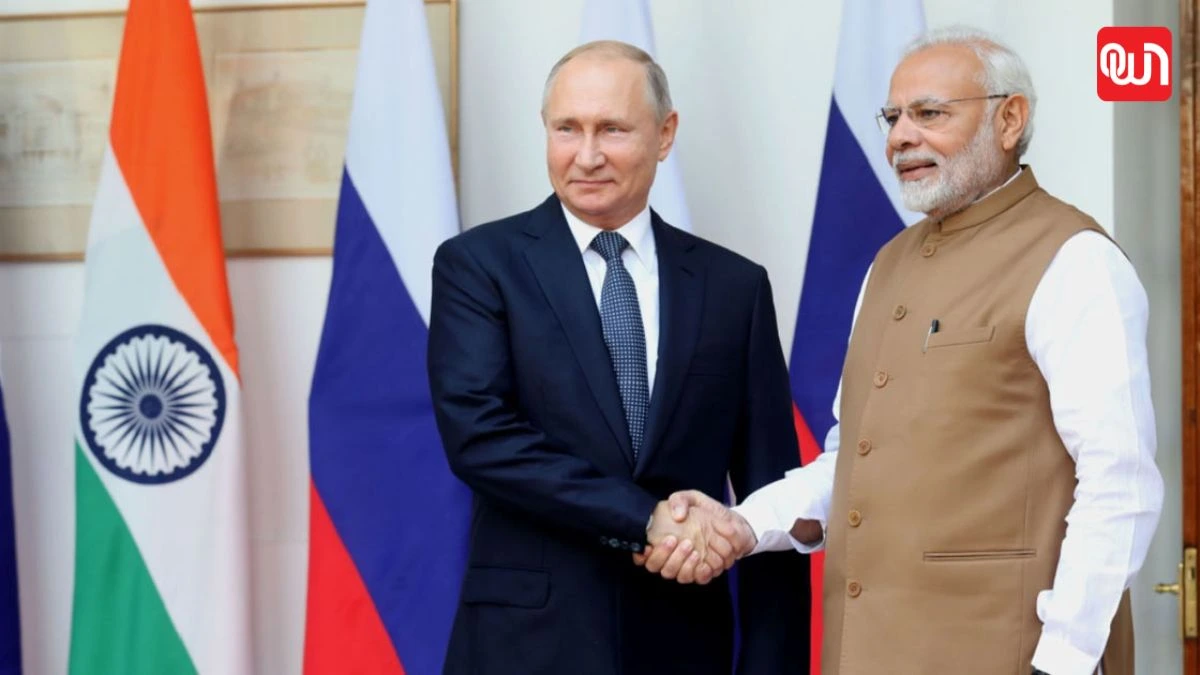
Russian President Vladimir Putin’s upcoming India visit is emerging as one of the most consequential diplomatic engagements of the year, with New Delhi and Moscow preparing a comprehensive agenda spanning defence cooperation, nuclear energy, mobility agreements, trade expansion and intensive geopolitical consultations. Senior officials in both capitals suggest the visit will reinforce the depth of the bilateral partnership and deliver a series of concrete outcomes.
A Historic Partnership Poised for Renewal
At a briefing in New Delhi, Kremlin spokesperson Dmitry Peskov said President Putin’s visit would reaffirm a relationship built on “trust, mutual respect and a shared understanding of global issues.” He noted that Russia had stood “shoulder to shoulder” with India through critical phases of its national development — a continuity that remains central to Moscow’s foreign policy.
Indian officials highlighted the stabilising role of the annual summit format, which has sustained engagement even during periods of geopolitical turbulence. Putin first visited India in 2000; this will be the 23rd annual summit between the two nations.
Trade Push: Market Access, Correcting Imbalances and a Business Forum
Bilateral trade crossed USD 63 billion last year, driven largely by India’s import of discounted Russian crude. Both countries are now targeting USD 100 billion by 2030. Indian officials underscored that correcting the widening trade imbalance remains a priority.
A major India–Russia Business Forum — coordinated by FICCI and Russian industry bodies — will convene on the eve of the summit. The forum is expected to focus on expanding Indian exports, improving market access, and boosting cooperation in pharmaceuticals, machinery, agriculture, electronics, and services.
Russia’s expanding intake of skilled manpower has also opened new avenues for Indian workers, with a bilateral mobility agreement now finalised.
Energy and Nuclear Cooperation: The Backbone of Engagement
Energy will remain at the core of the discussions. Peskov reaffirmed Russia’s commitment to supplying crude oil to India at competitive prices, describing the arrangement as mutually beneficial. Indian officials reiterated that all energy purchases are commercial decisions made by companies.
In the nuclear sector, Russia confirmed steady progress on ongoing projects and expressed readiness for further collaboration. Moscow credits its long partnership with India for helping build a “sectoral ecosystem” within India’s nuclear industry.
Defence Cooperation: From S-400 Deliveries to Next-Gen Platforms
Defence — traditionally the anchor of the partnership — will be among the most sensitive topics at the summit. Russian-origin systems still account for about 36 per cent of India’s defence imports. Discussions are expected to cover the status of existing platforms, supply of spares, technology cooperation, and potential participation in next-generation programmes such as the Su-57 fighter.
Peskov praised India’s balanced stance on the Ukraine conflict, citing Prime Minister Narendra Modi’s consistent message that “this is not an era of war.” He contrasted India’s willingness to engage with what he described as a lack of dialogue between Moscow and European capitals.
On Russia–China ties, Peskov maintained that cooperation with Beijing would deepen “as far as India allows,” emphasizing that Moscow’s relationships with India and China run on fully independent tracks.
Read More : Nagaland Celebrates 63rd Statehood Day with Unity and Pride
Connectivity, Currency Settlement and Maritime Corridors
Connectivity initiatives such as the Chennai–Vladivostok maritime corridor and India’s interests in Iran’s Chabahar port will feature prominently in the talks. Both sides continue to expand the use of national currencies in trade, and officials confirmed that a rupee–ruble settlement framework is already in place.
India is also widening its diplomatic footprint in Russia, with new consulates planned in Kazan and Yekaterinburg.
Mobility, Safety of Workers and India’s Advisory
On mobility issues, Indian officials reiterated advisories urging citizens to exercise caution when accepting foreign employment offers, including in Russia. Most Indians who had inadvertently joined the Russian Army have already been repatriated, and efforts to bring back the remaining individuals are underway.
Officials noted that India does not maintain a centralized database of citizens employed overseas, often relying instead on media inputs or disclosures from host governments.
Read More : Elon Musk Calls Energy the True Currency, Ties it to Bitcoin
Condemning the recent blast in Delhi, Peskov reaffirmed Russia’s support for India’s fight against terrorism. A bilateral joint working group on counter-terrorism has been active since 2002 and is expected to meet again in the coming months.
We’re now on WhatsApp. Click to join.
Like this post?
Register at One World News to never miss out on videos, celeb interviews, and best reads.