Rock Garden: Facts You Didn’t Know About This Iconic Chandigarh Spot
The Rock Garden of Chandigarh is a world-famous attraction built from waste materials, blending art, creativity, and cultural heritage.

Rock Garden of Chandigarh: Fascinating Facts You Didn’t Know About This Iconic Artistic Wonderland
The Rock Garden of Chandigarh is not just a tourist attraction — it is a living symbol of imagination, perseverance, and artistic rebellion. Known for its unique sculptures made entirely from waste materials, the Rock Garden continues to amaze visitors from around the world. While many admire its beauty, few truly know the remarkable story and hidden facts behind this iconic site.
A Secret Project That Changed History
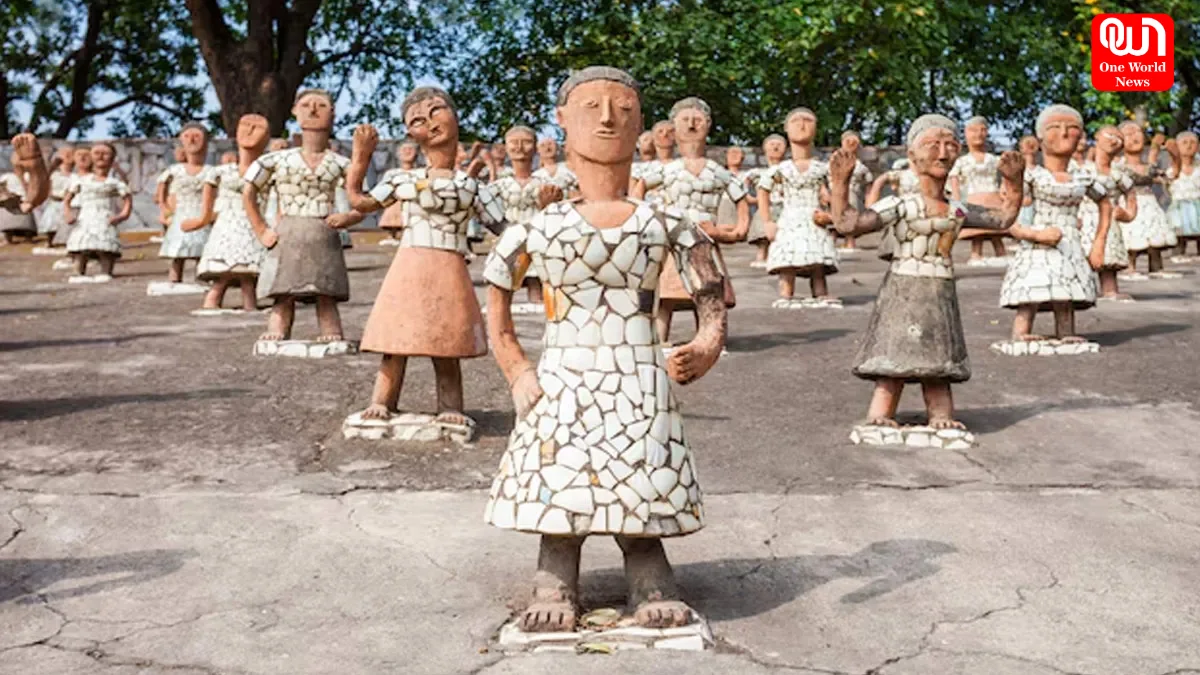
One of the most surprising facts about the Rock Garden is that it began as an illegal project. In the late 1950s, a government employee named Nek Chand quietly started collecting industrial and household waste from construction sites around Chandigarh. Using broken bangles, tiles, ceramics, and discarded stones, he began creating sculptures in a forested area without official permission.
For nearly 18 years, this creative endeavor remained hidden from authorities. What started as a personal passion eventually transformed into one of India’s most celebrated artistic landmarks.
Built Entirely From Waste Materials
The Rock Garden stands as one of the largest examples of recycled art in the world. Every structure, pathway, and sculpture within the garden is made from discarded materials. Broken crockery, glass shards, electrical waste, bicycle parts, and even old sinks were repurposed to create stunning figures of humans, animals, and abstract forms.
This innovative use of waste makes the Rock Garden of Chandigarh an early example of sustainable art, long before recycling became a global conversation.
Spread Across a Vast Area
Many visitors underestimate the sheer size of the Rock Garden. Spread across more than 40 acres, it is a maze of interconnected courtyards, waterfalls, sculptures, and narrow pathways. Each section offers a different visual experience, encouraging visitors to explore slowly and discover hidden details.
The layout feels organic rather than planned, which adds to the charm and mystery of the space.
Thousands of Sculptures With a Story
The Rock Garden is home to thousands of sculptures, most of which depict everyday human activities, animals, dancers, musicians, and village life. These figures reflect folk traditions and social scenes, giving the garden a cultural depth beyond its artistic appeal.
Despite being made from waste, the expressions and movements of the sculptures feel remarkably alive, showcasing the creator’s deep understanding of human emotion and form.
Recognition After Near Demolition
In the 1970s, authorities discovered the Rock Garden during a land clearance drive and initially planned to demolish it. However, public support quickly grew after officials and citizens recognized the uniqueness of the creation.
Instead of destruction, the government officially recognized the Rock Garden and appointed its creator as the director, providing resources to expand and preserve the site. This moment marked a turning point in the cultural history of Chandigarh.
Read more: PM Modi Reviews Bangalore Suburban Rail Project, Pushes States to Speed Up Delayed Works
A Symbol of Chandigarh’s Identity
While Chandigarh is known for its planned architecture and modernist design, the Rock Garden stands in contrast as a symbol of organic creativity. It represents the human spirit thriving within rigid urban planning.
Over time, the Rock Garden has become one of Chandigarh’s most recognizable landmarks, attracting tourists, artists, students, and researchers from across the globe.
More Than a Tourist Attraction
The Rock Garden is not just a place to visit — it is an experience. Walking through its corridors feels like entering a different world, where imagination overrides convention. It inspires conversations about art, sustainability, and the value of unconventional ideas.
The site is also frequently used for cultural events, photography, and educational tours, making it an active part of the city’s cultural life.
Why the Rock Garden Still Matters Today
In an age dominated by technology and mass production, the Rock Garden of Chandigarh reminds us of the power of creativity using simple means. It shows how discarded objects can be transformed into something meaningful and beautiful.
Read more: Political Roundup: Key Global Power Shifts on Jan 17, 2026
Its story encourages individuals to think differently, challenge norms, and value artistic expression beyond traditional definitions.
A Legacy of Imagination
The Rock Garden remains a testament to what one individual’s vision can achieve, even in the face of opposition. It stands as a reminder that art does not always require expensive tools — sometimes, it only needs imagination, patience, and belief.
For visitors to Chandigarh, the Rock Garden is more than a sightseeing stop. It is a journey through creativity, resilience, and the unexpected beauty hidden in waste.
We’re now on WhatsApp. Click to join.
Like this post?
Register at One World News to never miss out on videos, celeb interviews, and best reads.