What Your Nails Say About Your Health and Missing Nutrients
Your nails can reveal a lot about health. Experts explain how nail changes may signal deficiencies in essential nutrients and vitamins.

Are Your Nails Reflecting Your Health? Experts Explain 7 Nutrient Deficiencies Your Nails Can Reveal
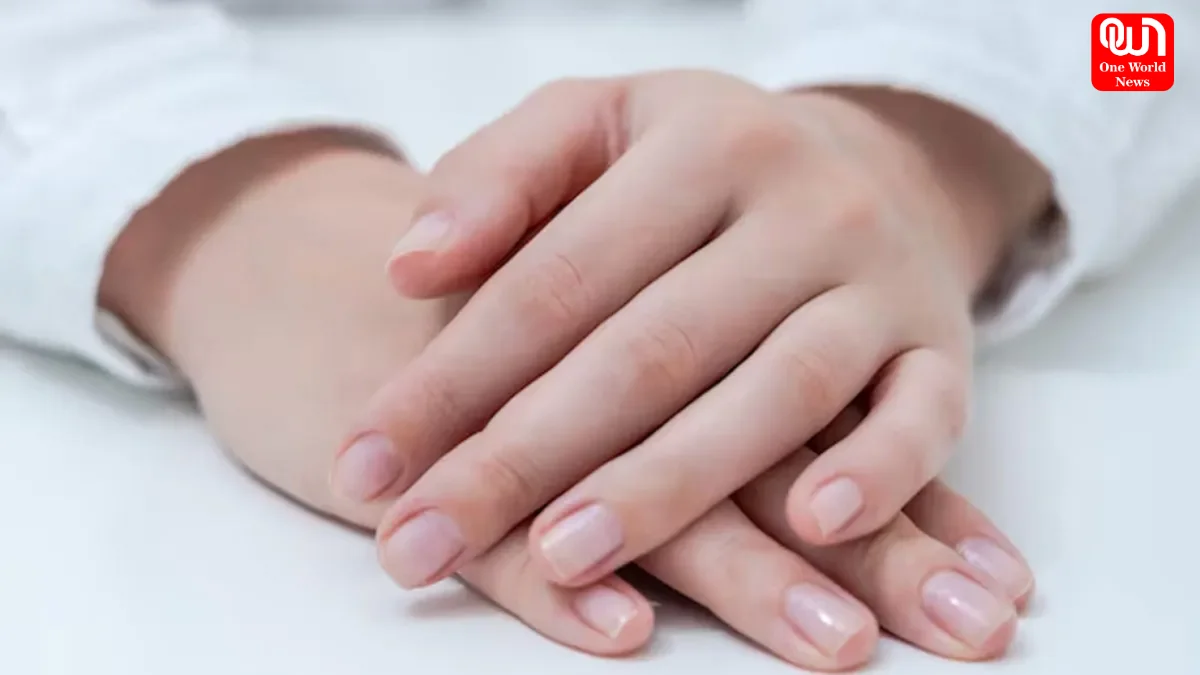
Our bodies often give subtle signals when something isn’t quite right, and one of the most overlooked indicators is our nails. While many people see nails purely as a cosmetic feature, experts suggest they can offer valuable insights into overall health and potential nutrient deficiencies. Changes in nail color, texture, strength, or growth can sometimes point to what your body may be lacking.
Here are seven ways your nails may reflect underlying nutrient deficiencies and what they could mean for your health.
1. Brittle Nails May Signal Biotin Deficiency
If your nails break, split, or peel easily, it could be a sign of low biotin levels. Biotin, a B-vitamin, plays a key role in strengthening nails and supporting keratin production. Brittle nails are one of the most common complaints linked to poor nail health.
A diet lacking in whole grains, eggs, nuts, and seeds may contribute to this deficiency. Improving biotin intake often helps restore nail strength over time.
2. Pale or White Nails Can Indicate Low Iron
Pale, white, or unusually light-colored nails may be linked to iron deficiency. Iron is essential for carrying oxygen in the blood, and when levels are low, it can affect nail appearance.
In some cases, nails may also become thin or spoon-shaped. Fatigue and weakness often accompany these changes, making it important not to ignore such signs.
3. Yellow Nails May Reflect Nutritional Imbalance
Yellowing of nails is sometimes associated with fungal infections, but experts note that nutritional deficiencies can also play a role. Low levels of vitamin E or zinc may contribute to discoloration and slowed nail growth.
Healthy nails should appear clear and slightly pink. Persistent yellowing may be a signal that your body needs better nutrient support.
4. Vertical Ridges Can Be a Sign of Vitamin Deficiency
Vertical ridges running from the cuticle to the tip of the nail are common with aging, but pronounced ridges can sometimes indicate deficiencies in vitamins such as B12, magnesium, or iron.
While mild ridging is usually harmless, deep or newly appearing ridges may suggest your health needs attention, especially if combined with other symptoms.
5. Slow Nail Growth May Point to Protein Deficiency
Nails are made primarily of keratin, a type of protein. If your nails grow unusually slowly or seem weak and thin, your body may not be getting enough protein.
Protein is essential for tissue repair and growth, and insufficient intake can impact not just nails, but hair, muscles, and overall health. A balanced diet with adequate protein often supports healthier nail growth.
Read more: Eating Foxnut During Pregnancy Can Have These 6 Benefits
6. White Spots Could Indicate Zinc or Calcium Deficiency
Small white spots on nails are commonly blamed on minor trauma, but experts note that frequent or widespread white spots may also reflect zinc or calcium deficiency.
Zinc supports immune function and cell growth, while calcium plays a role in nail strength. Repeated appearance of white spots may signal the need to review dietary intake.
7. Dark Lines or Discoloration Should Not Be Ignored
Dark streaks or unusual discoloration under the nails can sometimes indicate nutrient deficiencies, but they may also point to more serious health concerns. While not always linked to diet, experts recommend medical evaluation if such changes appear suddenly or worsen.
Monitoring nail changes alongside other health symptoms is important for early detection of potential issues.
Why Nails Are a Useful Health Indicator
Nails grow slowly, which means they can reflect long-term nutritional habits rather than short-term changes. Unlike skin, which regenerates quickly, nails provide a visible record of how well your body has been nourished over time.
Experts emphasize that nail changes alone are not a diagnosis, but they can serve as an early warning system. Paying attention to these signs allows individuals to take proactive steps toward better health.
Supporting Nail and Overall Health
Maintaining healthy nails starts with balanced nutrition. A diet rich in vitamins, minerals, protein, and healthy fats supports not only nail strength but overall well-being. Staying hydrated, reducing harsh chemical exposure, and practicing proper nail care also play an important role.
If nail changes persist despite good nutrition, consulting a healthcare professional is advised. Blood tests and medical evaluation can help identify specific deficiencies and guide appropriate treatment.
Read more: Easy Home Remedies To Get Rid Of Pimple In The Ear
Final Thoughts
Your nails may be small, but they can reveal big clues about your health. From brittleness to discoloration, subtle nail changes may indicate that your body is lacking essential nutrients. By paying attention to your nails and responding early, you can take meaningful steps toward improving both nail health and overall wellness.
Sometimes, the body speaks quietly — and nails are one of the ways it does.
We’re now on WhatsApp. Click to join.
Like this post?
Register at One World News to never miss out on videos, celeb interviews, and best reads.