World Malaria Day 2026: Raising Awareness in the Fight Against Malaria
World Malaria Day 2026 highlights global efforts to prevent malaria, promote awareness, and strengthen commitment to ending the disease worldwide.

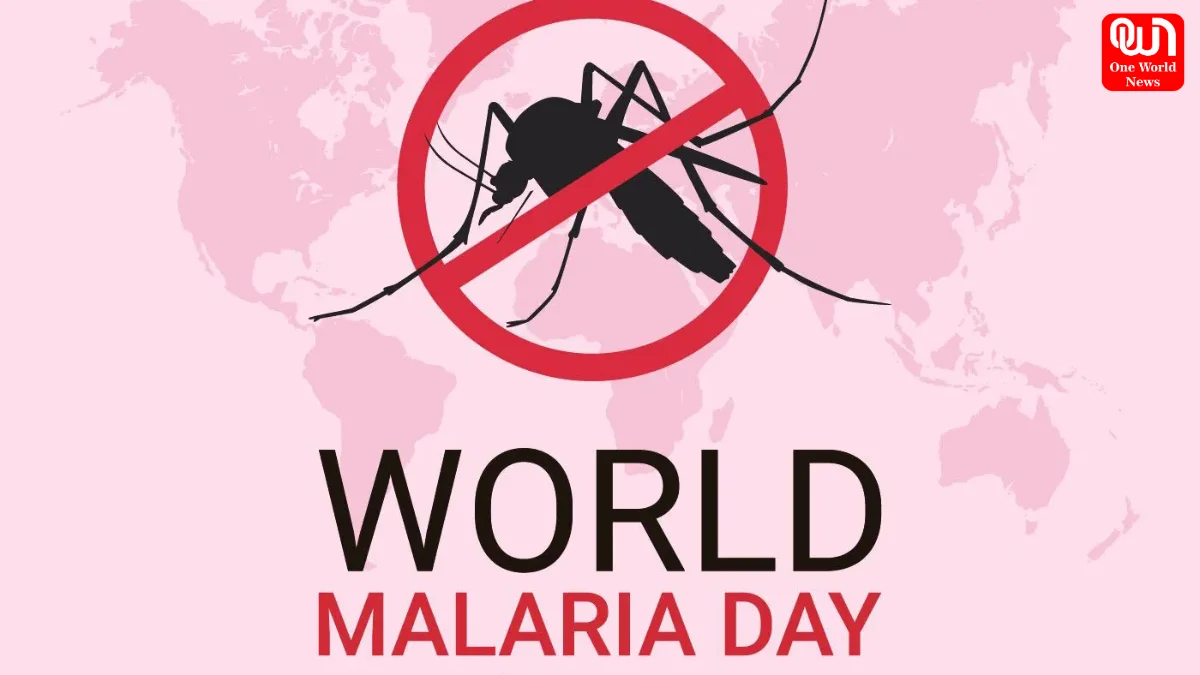
World Malaria Day 2026: Global Efforts Unite to Fight One of the World’s Deadliest Diseases
April 25, 2026 marks World Malaria Day 2026, a global observance dedicated to raising awareness about malaria and strengthening international efforts to prevent, control, and ultimately eliminate the disease. Governments, health organizations, and communities around the world use this day to highlight progress made against malaria while emphasizing the urgent need for continued action.
Despite major medical advances, malaria remains one of the world’s most serious public health challenges, affecting millions of people every year. World Malaria Day serves as a reminder that collective action, scientific innovation, and sustained commitment are essential to defeating the disease.
Understanding Malaria and Its Global Impact
Malaria is a life-threatening disease caused by parasites transmitted to humans through the bites of infected Anopheles mosquitoes. Once inside the body, the parasite infects red blood cells, leading to symptoms such as fever, chills, fatigue, headaches, and in severe cases, organ failure or death.
The disease is most common in tropical and subtropical regions, particularly in parts of Africa, Asia, and Latin America. Children under the age of five and pregnant women are among the most vulnerable groups.
Although malaria is both preventable and treatable, it still causes hundreds of thousands of deaths annually and millions of infections worldwide. These numbers highlight why global health agencies continue to prioritize malaria prevention and control.
The Purpose of World Malaria Day
World Malaria Day was established in 2007 by the World Health Assembly, the decision-making body of the World Health Organization. The aim was to create a global platform that would raise awareness about malaria and encourage stronger political and financial commitment to fighting the disease.
The observance replaced Africa Malaria Day, expanding the focus from a regional issue to a worldwide campaign. Today, World Malaria Day brings together governments, scientists, healthcare professionals, and community organizations to work toward a common goal: a malaria-free world.
Theme of World Malaria Day 2026
The theme for World Malaria Day 2026 is “United Against Malaria.” This message emphasizes the importance of collaboration between countries, institutions, and communities to combat the disease effectively.
The theme highlights several key priorities:
-
Strengthening global partnerships in public health
-
Investing in research and innovation for vaccines and treatments
-
Expanding access to prevention tools such as mosquito nets and medicines
-
Supporting healthcare systems in malaria-affected regions
The theme underscores the idea that ending malaria requires coordinated efforts from both local communities and international organizations.
Read more: What Healthcare Facilities Need to Know Before Buying an MRI Machine
Progress in the Fight Against Malaria
Over the past two decades, the world has made significant progress in reducing malaria infections and deaths. Improved mosquito control strategies, insecticide-treated bed nets, rapid diagnostic tests, and effective medicines have saved millions of lives.
Scientific innovation has also led to the development of new malaria vaccines, offering hope for further reductions in cases. These achievements demonstrate what can be accomplished through global cooperation and sustained investment in public health.
However, progress has slowed in recent years due to factors such as climate change, drug resistance, and gaps in healthcare access. World Malaria Day 2026 highlights the need to address these challenges to maintain momentum in the fight against the disease.
How Countries and Communities Participate
Across the world, World Malaria Day 2026 will be marked by awareness campaigns, educational programs, and public health initiatives. Governments and health organizations often use the day to share new research findings, release updated malaria statistics, and launch prevention programs.
Community-level activities may include:
-
Distribution of mosquito nets in high-risk areas
-
Public awareness campaigns about malaria prevention
-
Health screenings and testing programs
-
Educational workshops in schools and communities
These efforts help ensure that people understand how malaria spreads and what steps they can take to protect themselves and their families.
The Role of Individuals in Malaria Prevention
While governments and health organizations play a major role in malaria control, individuals also have an important part to play. Simple preventive measures can significantly reduce the risk of infection.
Some key prevention strategies include:
-
Using insecticide-treated mosquito nets while sleeping
-
Eliminating standing water where mosquitoes breed
-
Seeking early medical treatment if symptoms appear
-
Supporting public health initiatives that aim to reduce malaria transmission
These actions, when adopted widely, can contribute to reducing malaria cases and saving lives.
Read more: Armpit Pain Explained: Causes, Symptoms, and When to See a Doctor
Looking Toward a Malaria-Free Future
The ultimate goal of World Malaria Day 2026 is to inspire renewed commitment toward eliminating malaria entirely. Achieving this goal will require continued research, stronger healthcare systems, and increased global cooperation.
While the challenge is significant, history shows that coordinated public health efforts can overcome even the most persistent diseases.
World Malaria Day reminds the world that malaria is not just a medical issue but a humanitarian one. By uniting governments, communities, and individuals in a shared mission, the dream of a malaria-free future can move closer to reality.
We’re now on WhatsApp. Click to join.
Like this post?
Register at One World News to never miss out on videos, celeb interviews, and best reads.