Why Protein Becomes Essential After 40 And How It Supports Healthy Ageing
Why Protein matters after 40: supports muscle, metabolism, immunity & healthy ageing. Learn benefits, needs & best intake tips today.

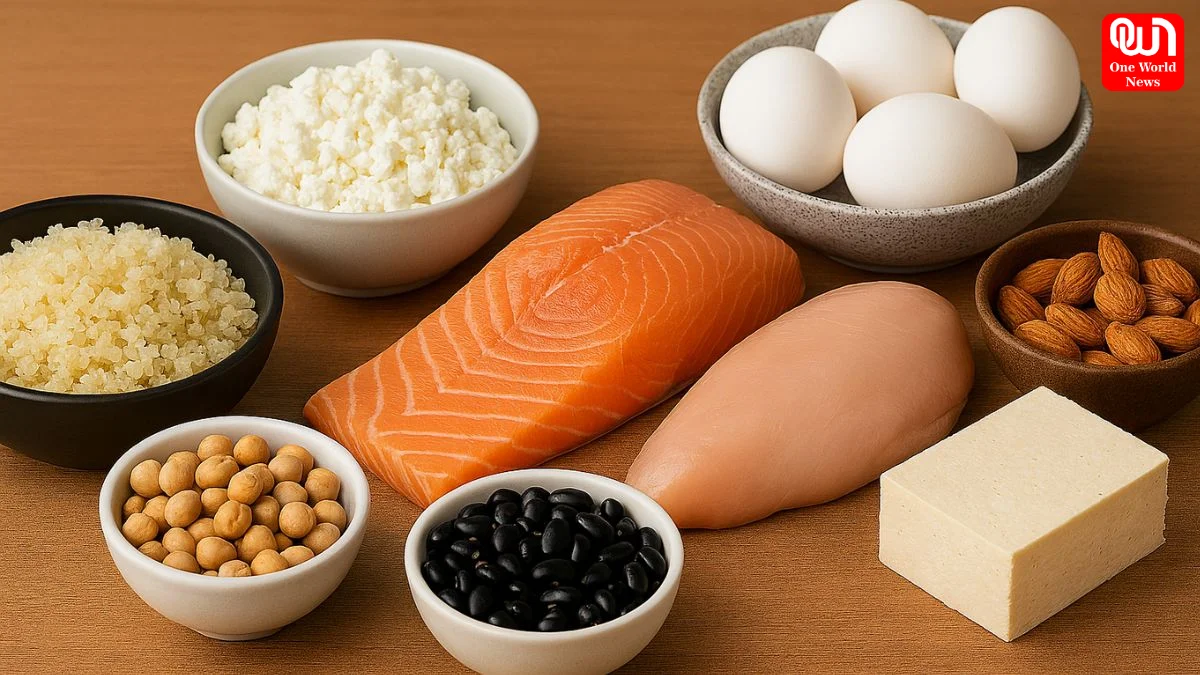
Why Protein Becomes Essential After 40 And How It Supports Healthy Ageing Naturally
As we cross the age of 40, our body begins to undergo several physiological changes that affect strength, metabolism, and overall health. One of the most critical nutrients that becomes increasingly important during this phase is protein. Understanding why protein becomes essential after 40 can help you maintain vitality, prevent age-related decline, and support healthy ageing.
Why Protein Needs Increase After 40
After 40, the body naturally starts losing muscle mass—a condition known as sarcopenia. This decline can reduce strength, mobility, and overall physical performance. Research shows that increasing protein intake can help prevent muscle loss and maintain musculoskeletal health.
Additionally, aging affects how efficiently the body processes protein. This means your body needs more protein than before to achieve the same benefits. Experts recommend around 1.0–1.2 grams of protein per kilogram of body weight for older adults.
1. Supports Muscle Mass and Strength
One of the primary reasons why protein becomes crucial after 40 is its role in preserving muscle mass. Muscle is not just about strength—it also supports metabolism, balance, and injury prevention.
Adequate protein intake helps:
- Reduce muscle loss
- Improve strength and endurance
- Maintain independence in later years
Studies show that higher protein intake is directly linked to better muscle mass and physical performance in older adults.
2. Boosts Metabolism and Weight Management
As we age, metabolism naturally slows down, leading to weight gain—especially around the abdomen. Protein helps counter this by:
- Increasing satiety (feeling full longer)
- Supporting fat loss while preserving muscle
- Improving energy balance
Hormonal changes after 40 can further slow metabolism, but protein helps stabilize these effects and maintain a healthy weight.
3. Enhances Bone Health
Bone density begins to decline after 40, increasing the risk of fractures and osteoporosis. Protein plays a vital role in maintaining bone strength by:
- Supporting calcium absorption
- Enhancing bone structure
- Reducing fracture risk
Research shows that adequate protein intake is associated with better bone health and lower risk of hip fractures.
Read more: Sorab Bedi & Appurva Rampal Controversy: Splitsvilla 16 Fame Files Domestic Violence Case
4. Strengthens Immunity
Another important reason why protein is essential after 40 is its impact on the immune system. Protein provides amino acids that help build antibodies, which fight infections and diseases.
A protein-rich diet:
- Supports immune response
- Helps the body recover faster
- Reduces risk of chronic illnesses
Protein is fundamental for maintaining overall health and resilience as the immune system weakens with age.
5. Supports Brain Health and Cognitive Function
Protein is not just for muscles—it also plays a key role in brain health. Amino acids from protein are used to produce neurotransmitters that regulate mood, focus, and memory.
Low protein intake may lead to:
- Brain fog
- Poor concentration
- Increased risk of cognitive decline
Adequate protein supports mental clarity and emotional well-being, which are crucial for healthy ageing.
6. Promotes Healthy Ageing and Longevity
A balanced protein intake in midlife is strongly linked to better ageing outcomes. Studies indicate that people who consume sufficient protein—especially plant-based sources—have higher chances of healthy ageing.
Protein helps:
- Maintain physical function
- Reduce frailty risk
- Improve overall quality of life
How Much Protein Do You Need After 40?
Most experts recommend:
- 1.0–1.2 g/kg body weight daily (minimum)
- 1.2–1.6 g/kg for active individuals
Higher intake may be beneficial, especially when combined with strength training.
Best Protein Sources for Healthy Ageing
To maximize benefits, include a mix of high-quality protein sources:
- Eggs
- Dairy (milk, yogurt, paneer)
- Lean meats and fish
- Lentils, chickpeas, beans
- Nuts and seeds
A balanced approach combining plant and animal protein works best for long-term health.
Read more: Disha Patani Maroon Dress Look: Sexy Disha Patani Sets Hearts Racing in Sultry Maroon Halter Dress
Conclusion
Understanding why protein becomes essential after 40 is key to maintaining strength, energy, and overall well-being. From preserving muscle mass and boosting metabolism to supporting brain function and immunity, protein plays a central role in healthy ageing.
By increasing your protein intake and pairing it with regular exercise, you can significantly improve your quality of life and stay active well into later years.
We’re now on WhatsApp. Click to join.
Like this post?
Register at One World News to never miss out on videos, celeb interviews, and best reads.