Are Mushrooms Vegetarian or Non-Vegetarian? Expert Explains
Are Mushrooms Vegetarian Or Non-Vegetarian? Experts explain the science of fungi, nutrition, and why mushrooms are considered vegetarian foods.

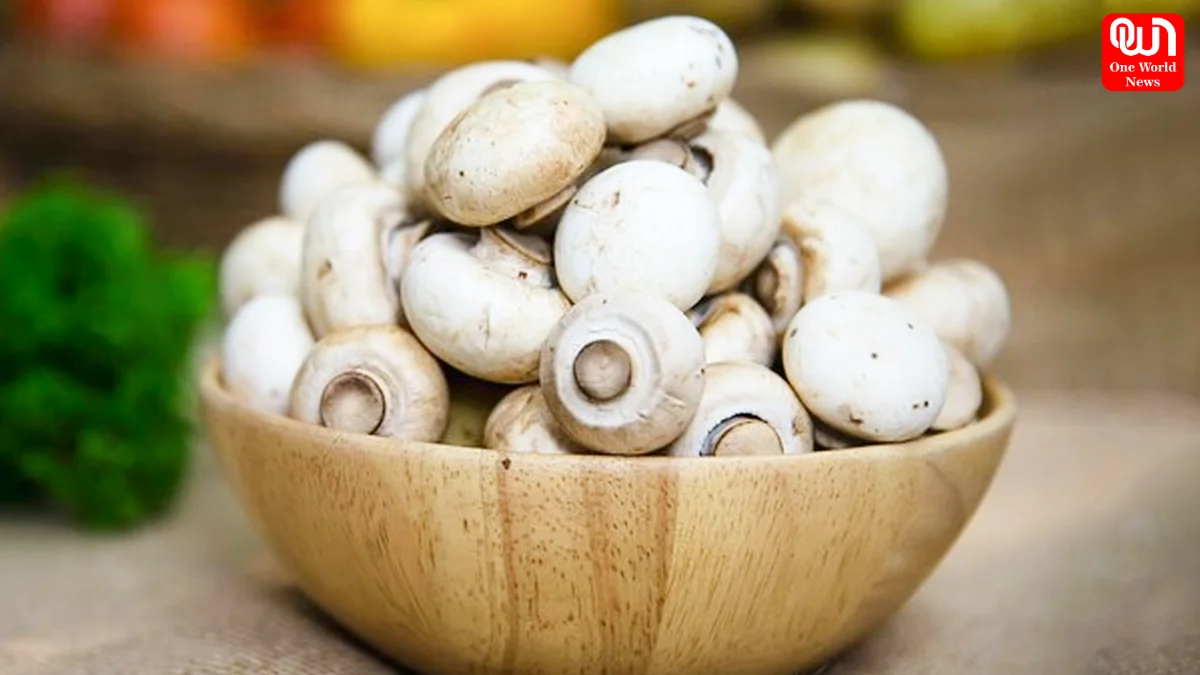
Are Mushrooms Vegetarian or Non-Vegetarian? The Science Behind Fungi, Diet Labels, and Why Experts Say Mushrooms Are Vegetarian
As of 2026, a common food question continues to spark curiosity among diet-conscious people: Are Mushrooms Vegetarian Or Non-Vegetarian? While mushrooms are widely used in vegetarian dishes around the world, their biological classification often confuses people. Experts in nutrition and food science clarify that mushrooms are considered vegetarian, even though they belong to a unique biological kingdom called fungi.
Understanding whether Mushrooms Vegetarian Or Non-Vegetarian depends on both scientific classification and dietary definitions. Let’s explore what experts say about mushrooms, how they grow, and why they are accepted in vegetarian diets.
What Are Mushrooms Scientifically?
To understand the debate around Mushrooms Vegetarian Or Non-Vegetarian, it’s important to look at biology first. Mushrooms are fungi, meaning they belong to the fungi kingdom, which is different from plants and animals.
Unlike plants, mushrooms do not perform photosynthesis. They grow by breaking down organic material in their environment, such as decaying leaves, wood, or soil nutrients. Because they do not grow like typical vegetables, some people assume mushrooms might be non-vegetarian.
However, the key scientific point is that mushrooms are not animals. They do not have nervous systems, organs, or the ability to move like animals. Because of this, mushrooms are not classified as meat or animal products.
Why Mushrooms Are Considered Vegetarian
Nutritionists and diet experts clearly explain that mushrooms fall under the vegetarian category. The reason is simple: vegetarian diets avoid animal flesh and animal-derived foods, while mushrooms are naturally grown fungi.
When discussing Mushrooms Vegetarian Or Non-Vegetarian, experts emphasize that mushrooms contain no animal tissue, blood, or animal protein sources. They are harvested from farms or forests and consumed much like vegetables.
Read more: International Dance Day 2026: Celebrating the Universal Language of Movement
In fact, mushrooms are commonly used in vegetarian and vegan meals because they provide a meaty texture and rich umami flavor. Popular vegetarian dishes such as mushroom soups, mushroom stir-fries, and mushroom burgers rely on this unique texture.
Nutritional Value of Mushrooms
Another reason mushrooms are widely accepted in vegetarian diets is their impressive nutritional profile. Mushrooms are low in calories but packed with beneficial nutrients.
They contain important vitamins and minerals such as:
-
Vitamin B complex
-
Selenium
-
Potassium
-
Copper
-
Antioxidants
Certain mushrooms exposed to sunlight or UV light can also provide vitamin D, which is often harder to obtain in vegetarian diets. Because of this, many nutritionists recommend mushrooms as a healthy ingredient in plant-based meals.
When people search online about Mushrooms Vegetarian Or Non-Vegetarian, they are often surprised to learn that mushrooms can actually support vegetarian nutrition by adding both flavor and nutrients.
Why Some People Think Mushrooms Are Non-Vegetarian
Despite scientific clarity, confusion about Mushrooms Vegetarian Or Non-Vegetarian still exists. One reason is that mushrooms grow in damp environments and feed on decomposing organic matter. This unusual growth process leads some people to believe they might be closer to animal products.
Another reason is their meat-like texture. Mushrooms like portobello or shiitake can mimic the taste and texture of meat when cooked, which sometimes creates the misconception that they are non-vegetarian.
However, food science experts confirm that these similarities are purely culinary. Mushrooms remain entirely plant-based from a dietary perspective.
Mushrooms in Vegetarian and Vegan Diets
Across the world, mushrooms are a staple ingredient in vegetarian cooking. From Asian stir-fries and European soups to modern vegan burgers, mushrooms are used as a nutritious and flavorful ingredient.
For vegetarians and vegans alike, mushrooms provide a satisfying substitute for meat in many recipes. Their savory flavor enhances dishes without relying on animal ingredients.
So when addressing the question Mushrooms Vegetarian Or Non-Vegetarian, experts consistently agree that mushrooms fit comfortably within vegetarian and vegan diets.
Read more: Day of Trees 2026: Why the World Celebrates Trees and Forests
The Final Verdict
The confusion around Mushrooms Vegetarian Or Non-Vegetarian mainly comes from their unique biological classification as fungi. However, dietary definitions are clear.
Mushrooms are not animals, they contain no animal-derived ingredients, and they are widely accepted in vegetarian and vegan diets around the world.
In simple terms, mushrooms may not be plants, but they are absolutely vegetarian-friendly foods.
So the next time the debate arises about Mushrooms Vegetarian Or Non-Vegetarian, science and nutrition experts offer a clear answer: mushrooms are vegetarian, nutritious, and a healthy addition to plant-based meals.
We’re now on WhatsApp. Click to join.
Like this post?
Register at One World News to never miss out on videos, celeb interviews, and best reads.