3 Foods a Harvard Doctor Recommends for Preventing Liver Disease
Leafy Greens, Fatty Fish, and Nuts: Harvard Doctor’s Picks to Prevent Liver Disease

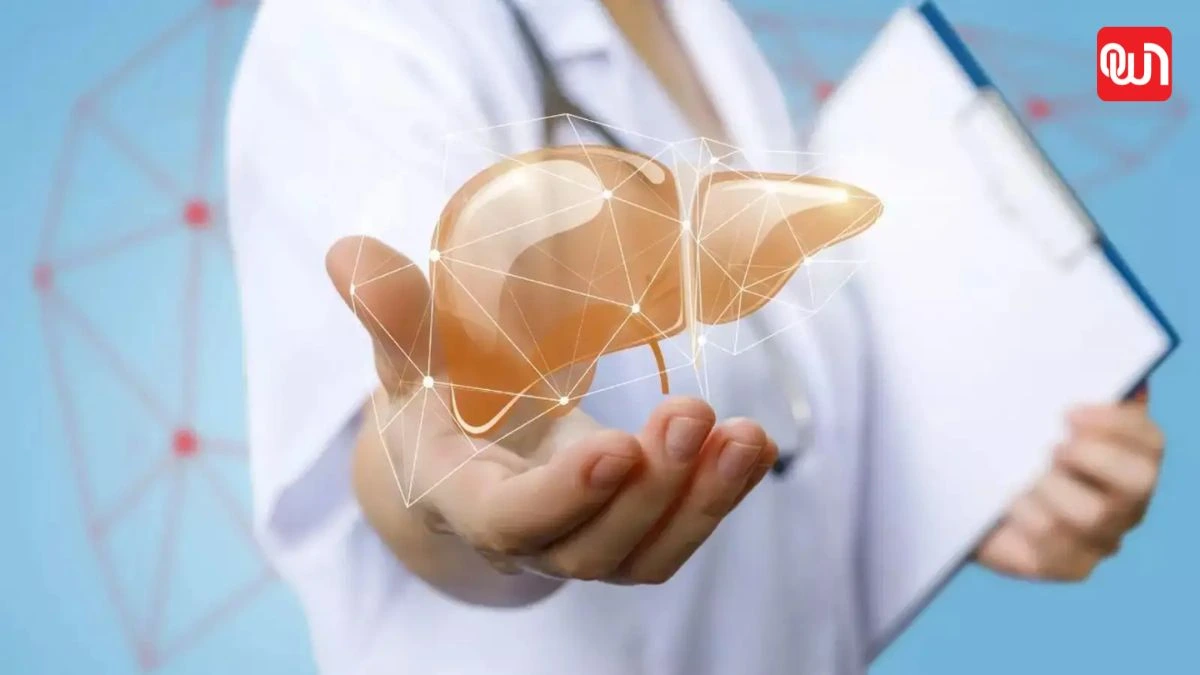
Diet and Lifestyle Choices Key to Protecting Against Liver Disease
Liver disease is increasingly common worldwide, yet the liver remains one of the body’s most vital organs, responsible for filtering toxins, producing bile for digestion, and regulating metabolism. From fatty liver disease to cirrhosis, the risk factors include poor diet, sedentary lifestyle, excessive alcohol consumption, and obesity. Fortunately, diet plays a critical role in maintaining liver health, and incorporating certain foods can help prevent liver disease. A Harvard-trained physician has highlighted three key foods that are particularly beneficial for liver protection.
Leafy Green Vegetables: Nature’s Detoxifiers
Leafy greens such as spinach, kale, arugula, and collard greens are packed with nutrients, antioxidants, and fiber that support liver function. According to the Harvard doctor, these vegetables contain compounds that aid in detoxification, helping the liver process and eliminate toxins efficiently. The chlorophyll in greens can bind to environmental toxins and heavy metals, reducing their absorption in the gut and lightening the liver’s detoxification load.
In addition, leafy greens are naturally low in calories and rich in vitamins A, C, and K, which combat oxidative stress and inflammation, two major contributors to liver disease. Including these vegetables in daily meals—whether in salads, smoothies, or lightly sautéed—can significantly bolster liver health over time.
Fatty Fish: Anti-Inflammatory Powerhouse
Fatty fish such as salmon, mackerel, sardines, and trout are excellent sources of omega-3 fatty acids, which play a critical role in reducing liver fat and inflammation. Studies have shown that omega-3s can help prevent and manage non-alcoholic fatty liver disease (NAFLD), a condition linked to obesity and poor diet. These healthy fats not only improve liver function but also support heart health and reduce triglyceride levels.
The Harvard doctor recommends incorporating fatty fish into meals at least two to three times a week. For those who do not consume fish, high-quality omega-3 supplements, such as fish oil or algae oil, can provide similar benefits. Pairing fatty fish with leafy greens or other vegetables creates a nutrient-rich meal that optimally supports liver health.
Nuts: Tiny but Mighty Allies
Nuts such as almonds, walnuts, pistachios, and cashews are nutrient-dense foods that provide healthy fats, vitamin E, antioxidants, and plant-based protein. Research indicates that regular nut consumption is linked to lower liver enzyme levels and a reduced risk of liver disease. Nuts help combat oxidative stress and inflammation, key drivers of liver damage, while promoting overall metabolic health.
Read More : Pumpkin Pie vs Apple Pie: Which is Better for Blood Sugar Levels?
A small handful of nuts daily is sufficient to confer benefits. They can be eaten as snacks, added to salads, or incorporated into breakfast bowls. The Harvard doctor notes that nuts not only protect the liver but also support cardiovascular health, making them a versatile addition to a healthy diet.
Lifestyle Matters Too
While these three foods are powerful allies in liver protection, they are most effective when combined with healthy lifestyle habits. Limiting alcohol intake, maintaining a healthy weight, engaging in regular physical activity, and avoiding processed foods and added sugars are all essential for long-term liver health. Drinking plenty of water and getting adequate sleep further enhance the liver’s ability to function optimally.
Read More : AIIMS Neurologist Warns Against Morning Phone Scrolling; Explains Its Impact on Mental Health
Conclusion
Preventing liver disease is not solely about avoiding harmful substances—it’s also about feeding the liver what it needs to thrive. Incorporating leafy greens, fatty fish, and nuts into a balanced diet, combined with healthy lifestyle practices, provides a multi-pronged approach to liver protection. These dietary choices, supported by scientific research and expert recommendations from Harvard-trained physicians, can help reduce inflammation, combat oxidative stress, and promote the liver’s natural detoxification processes.
In a world where liver disease is increasingly prevalent, such proactive measures are critical. By making small but impactful changes in diet and lifestyle, individuals can protect one of the body’s most vital organs, ensuring long-term health and well-being.
We’re now on WhatsApp. Click to join.
Register at One World News to never miss out on videos, celeb interviews, and best reads.