
What Healthcare Facilities Need to Know Before Buying an MRI Machine
MRI machines have become a serious consideration for hospitals, clinics, and community diagnostic centres looking to expand their imaging capabilities without the capital outlay of a new system.

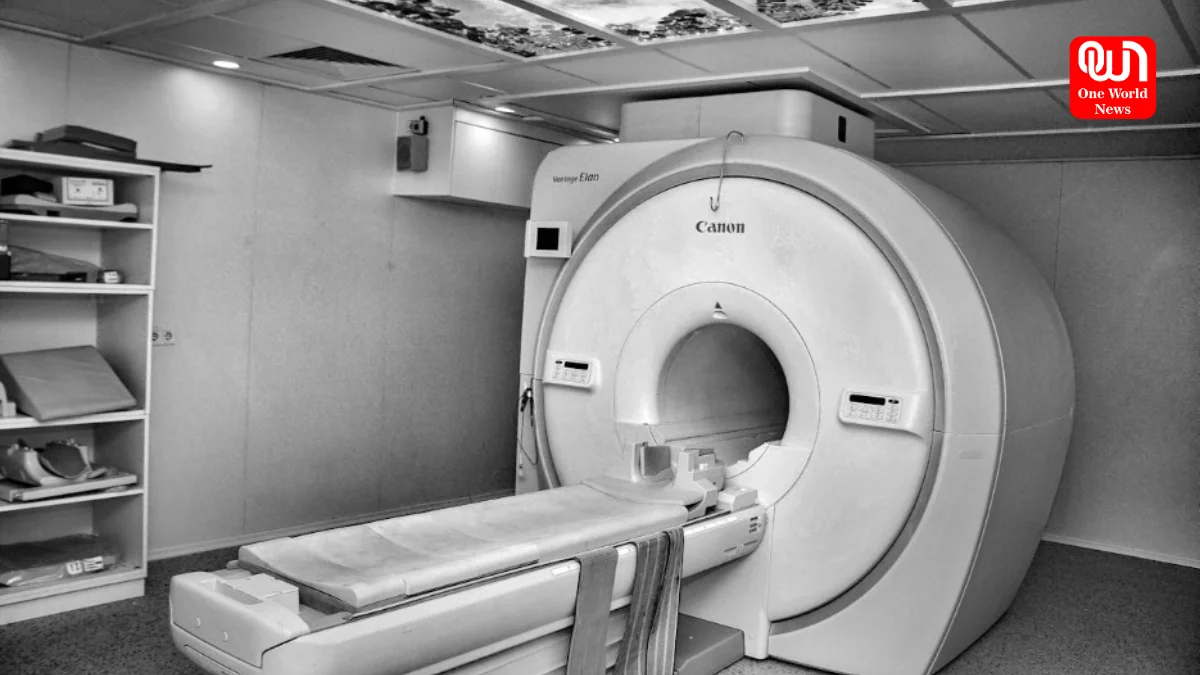
How Refurbished MRI Systems Are Changing the Economics of Diagnostic Imaging
MRI machines have become a serious consideration for hospitals, clinics, and community diagnostic centres looking to expand their imaging capabilities without the capital outlay of a new system. Where a brand-new MRI unit from a major manufacturer such as GE, Siemens, or Philips can represent an enormous financial commitment, a thoroughly tested refurbished system can deliver equivalent diagnostic performance at 30 to 50 percent of the cost — making high-quality imaging accessible to a much wider range of healthcare facilities.
Understanding Field Strength and Configuration
Choosing the right refurbished MRI machines start with understanding what your clinical workload actually demands. Field strength is one of the most important variables. A 1.5T system covers the vast majority of general diagnostic needs — musculoskeletal, abdominal, and neurological imaging — and remains the most widely used configuration in clinical practice. A 3T system offers enhanced image resolution and is better suited to specialised applications such as cardiology, oncology, and advanced neurological work, but comes with higher running costs and more demanding site requirements.
Beyond field strength, bore size matters significantly for patient experience. A standard 60cm bore is sufficient for most patients, while a wide-bore 70cm design improves comfort for larger patients or those who are claustrophobic. Open MRI configurations take this further, sacrificing some field strength in exchange for a fully accessible design that can make a meaningful difference in paediatric or anxiety-prone patient groups.
Read More: World Hemophilia Day 2026: Understanding and Supporting Bleeding Disorders
Total Cost of Ownership Goes Beyond the Purchase Price
Site preparation, magnetic shielding, helium supply, annual maintenance contracts, and staff training all contribute to the real cost of running an MRI system over its lifetime. With proper maintenance and quality replacement parts, most MRI machines deliver between ten and fifteen years of reliable clinical service — making the initial investment decision one of the most consequential a facility will make.
We’re now on WhatsApp. Click to join.
Like this post?
Register at One World News to never miss out on videos, celeb interviews, and best reads.