Early Puberty in Girls: What Parents Should Know
Early Puberty in Girls: What Parents Should Know about signs, causes, risks, and how to support your child through early development.

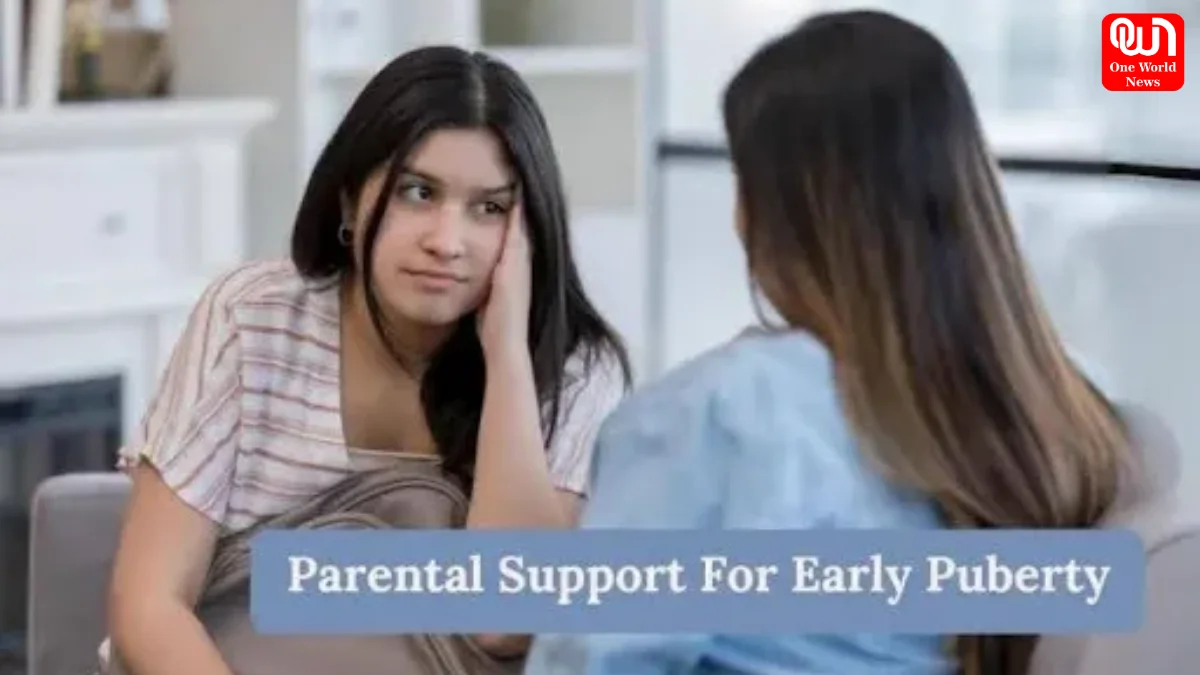
Early Puberty in Girls: What Parents Should Know About Causes, Signs, and How to Support Your Child
Early puberty in girls is becoming increasingly common, leaving many parents confused and concerned. Understanding what early puberty is, why it happens, and how to respond can help parents support their child confidently during this sensitive phase.
What Is Early Puberty?
Early puberty, also known as precocious puberty, occurs when a girl’s body begins developing before the age of 8. Normally, puberty starts between ages 8 and 13, but in some cases, hormonal changes begin much earlier.
This early development is triggered when the brain signals the body to release hormones responsible for growth and sexual development. While sometimes it is harmless, in other cases it may require medical attention.
Common Signs of Early Puberty in Girls
Recognizing the signs early can help parents take timely action. Some of the most common symptoms include:
- Breast development at an unusually young age
- Growth of pubic or underarm hair
- Rapid height increase (growth spurt)
- Body odor similar to adults
- Onset of menstruation before age 10
- Mood swings and emotional changes
Often, breast budding is the first noticeable sign of puberty in girls. These changes may occur gradually, but when they appear too early, they can be confusing for both the child and parents.
What Causes Early Puberty?
There is no single cause of early puberty in girls, but several factors may contribute:
1. Hormonal Changes:
The most common reason is early activation of hormones controlled by the brain.
2. Obesity:
Higher body fat levels can trigger hormone production, leading to earlier puberty.
3. Environmental Factors:
Exposure to chemicals in plastics, cosmetics, and food packaging may mimic hormones and affect development.
4. Genetics:
Family history can play a role in determining when puberty begins.
5. Lifestyle Factors:
Poor diet, lack of physical activity, and increased screen time may also influence early onset.
Read more: World Digestive Health Day 2026: Importance, Awareness, and Global Impact
Emotional and Physical Impact
Early puberty can affect a girl not only physically but also emotionally. Since her body changes before her peers, she may feel different or isolated. Emotional effects may include:
- Low self-esteem
- Anxiety or embarrassment
- Mood swings
- Increased sensitivity
Children experiencing early puberty may struggle to understand these sudden changes, especially if they are not emotionally mature enough.
Physically, early puberty can also affect final height. Although girls may grow quickly at first, their bones may mature faster, leading to a shorter adult height.
When Should Parents Be Concerned?
Parents should consult a doctor if:
- Puberty signs appear before age 8
- Menstruation starts very early
- Growth is unusually rapid
- Emotional distress becomes noticeable
Early diagnosis is important to rule out underlying medical conditions. In some cases, doctors may recommend treatment to delay puberty and allow normal growth and development.
How Parents Can Support Their Child
Supporting a child through early puberty requires patience, understanding, and open communication.
1. Talk Openly:
Explain body changes in a simple and reassuring way.
2. Normalize the Experience:
Let your child know that everyone develops differently.
3. Promote Healthy Habits:
Encourage balanced nutrition, physical activity, and proper sleep.
4. Monitor Emotional Health:
Be attentive to mood changes and provide emotional support.
5. Seek Professional Help if Needed:
Consult a pediatrician or endocrinologist for guidance.
Read more: World MS Day 2026: Raising Awareness, Promoting Early Diagnosis and Global Support
Final Thoughts
Early Puberty in Girls: What Parents Should Know is not just about physical changes—it’s about understanding your child’s emotional and psychological needs as well. While early puberty can be challenging, with the right knowledge and support, parents can help their daughters navigate this phase with confidence.
Being aware of the signs, causes, and available support options ensures that your child grows up healthy, informed, and emotionally secure.
We’re now on WhatsApp. Click to join.
Like this post?
Register at One World News to never miss out on videos, celeb interviews, and best reads.