Capers Explained: Nutrition, Benefits, and Why They’re Good for Your Health
Capers are small flower buds packed with antioxidants and nutrients that support digestion, heart health, and overall wellness.

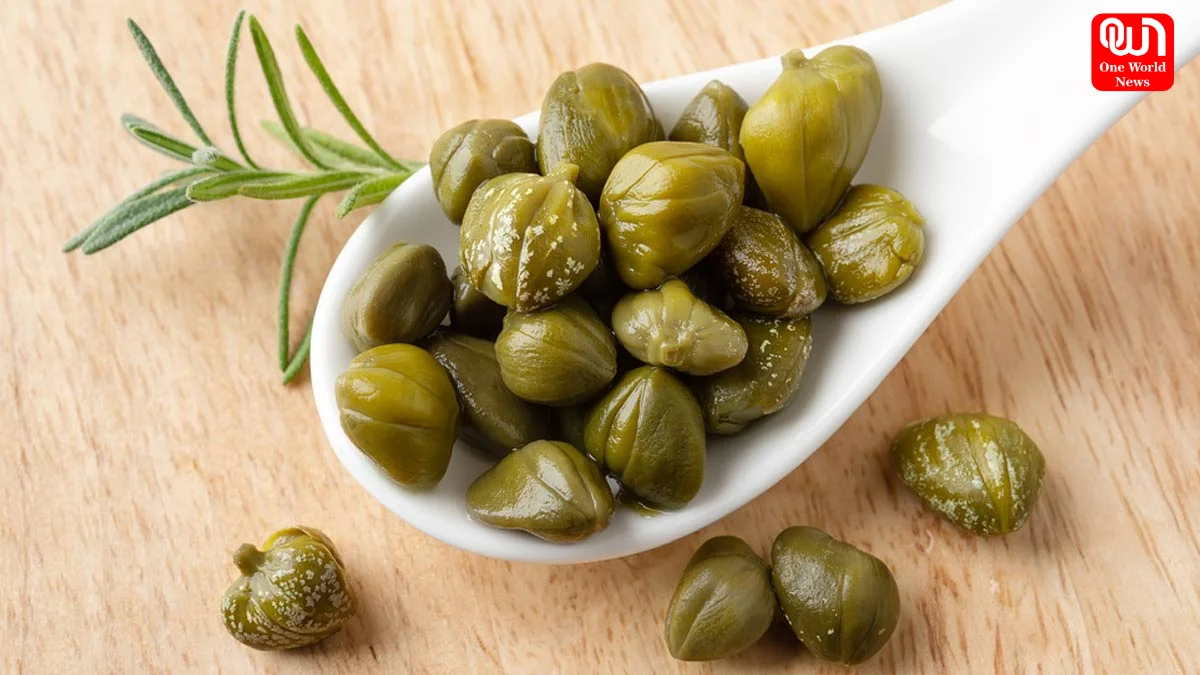
What Are Capers and How Can They Boost Your Health Naturally Through Everyday Diets
Capers may be small, but they deliver a bold flavor and impressive health benefits. Often seen as a garnish or ingredient in Mediterranean dishes, capers are actually unopened flower buds that are carefully harvested and preserved. Beyond their tangy taste, capers are gaining attention for their nutritional value and potential health-boosting properties.
What Exactly Are Capers?
Capers come from the caper bush, a hardy plant that thrives in warm, dry climates. The buds are picked before they bloom and then cured in salt, vinegar, or brine. This curing process gives capers their signature sharp, slightly salty flavor.
Although commonly mistaken for olives or seeds, capers are unique in both origin and composition. They are widely used in Italian, Greek, and Middle Eastern cuisine to enhance sauces, salads, seafood, and meat dishes.
Nutritional Profile of Capers
Despite their small size, capers are rich in nutrients. They are low in calories and fat while offering beneficial compounds such as fiber, vitamins, and antioxidants.
Capers contain vitamin K, which plays a role in blood clotting and bone health. They also provide small amounts of iron, calcium, and copper — minerals that support oxygen transport, bone strength, and cellular function.
One of the most valuable aspects of capers is their high concentration of plant-based antioxidants, particularly flavonoids.
Read more: Easy Home Remedies To Get Rid Of Pimple In The Ear
Rich in Antioxidants
Capers are especially high in quercetin and rutin, two powerful antioxidants known for reducing oxidative stress in the body. Oxidative stress occurs when harmful free radicals damage cells, contributing to aging and chronic disease.
By including capers in your diet, you may help protect your cells from damage and support long-term health. Antioxidants are also linked to reduced inflammation, which plays a role in many health conditions.
Supports Heart Health
The antioxidants found in capers may contribute to improved heart health. Quercetin has been studied for its potential to lower blood pressure and reduce inflammation in blood vessels.
Additionally, the fiber content in capers supports healthy cholesterol levels by aiding digestion and promoting better lipid balance. While capers are not a standalone heart remedy, they can complement a balanced, heart-friendly diet.
May Aid Digestion
Capers have traditionally been used to support digestion. Their bitter compounds may stimulate digestive enzymes, helping the body break down food more efficiently.
Including capers in meals can add flavor while also supporting gut health, especially when paired with fiber-rich vegetables and whole foods.
Potential Anti-Inflammatory Properties
Inflammation is a natural immune response, but chronic inflammation can contribute to health problems. The flavonoids present in capers have been studied for their anti-inflammatory effects.
Regular, moderate consumption of capers may help reduce inflammation and support joint and muscle health over time.
How to Use Capers in Everyday Meals
Capers are incredibly versatile. They can be added to pasta sauces, sprinkled over salads, mixed into dressings, or used as a topping for fish and vegetables. Because they are salty, a small amount goes a long way.
Rinsing capers before use can help reduce excess sodium while preserving their flavor. This makes them easier to incorporate into health-conscious diets.
Things to Keep in Mind
While capers offer many benefits, they are often preserved in salt or brine, which means they can be high in sodium. People watching their salt intake should consume them in moderation and rinse them before use.
Read more: Eating Foxnut During Pregnancy Can Have These 6 Benefits
As with any food, balance is key. Capers work best as part of a varied and nutritious diet rather than a primary ingredient.
Final Thoughts
Capers may be tiny, but they are packed with flavor and health-promoting compounds. From antioxidants and digestive support to heart-friendly nutrients, capers offer more than just taste.
Incorporating capers into your meals is an easy way to add both culinary excitement and nutritional value. Sometimes, the smallest ingredients make the biggest difference in a healthy lifestyle.
We’re now on WhatsApp. Click to join.
Like this post?
Register at One World News to never miss out on videos, celeb interviews, and best reads.