Pakistan Hikes High-Octane Fuel Price From PKR 100 To PKR 300
Pakistan Hikes High-Octane Fuel Price to PKR 300 amid Hormuz crisis. Fuel costs surge, impacting economy and highlighting energy crisis in Pakistan.

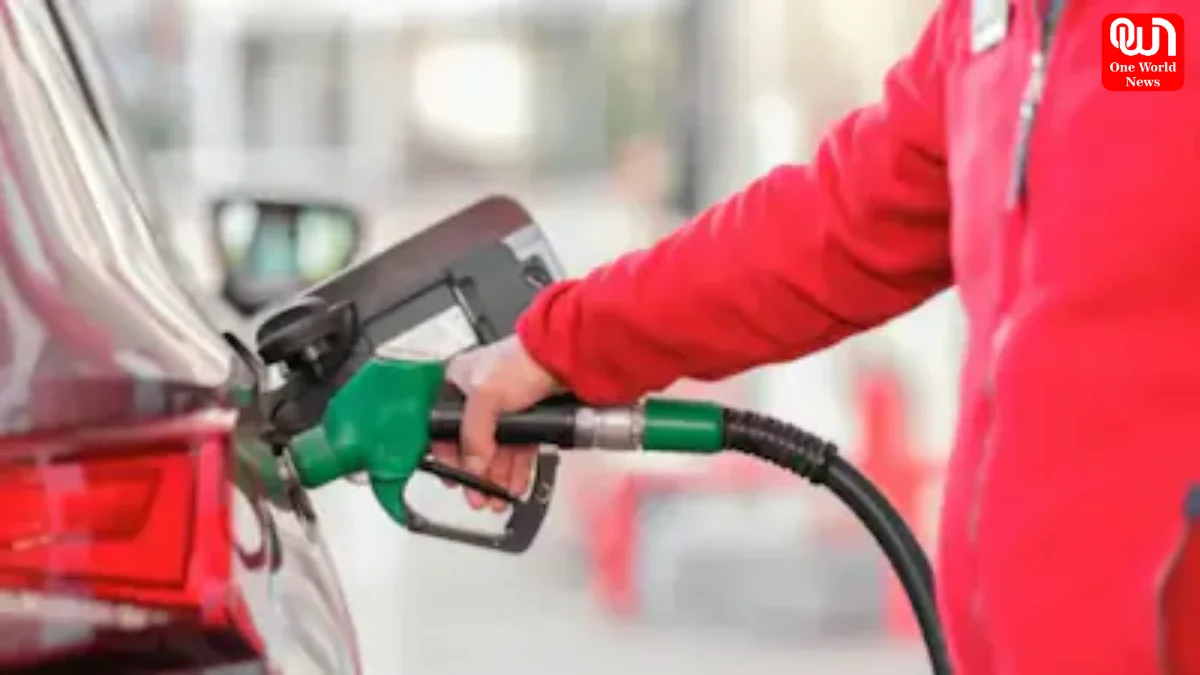
Pakistan Hikes High-Octane Fuel Price to PKR 300 Amid Hormuz Crisis – Economic Pressure Deepens as Oil Supply Disruptions Intensify
Pakistan Hikes High-Octane Fuel Price sharply, increasing the levy from PKR 100 to PKR 300 per litre. This major decision comes at a time when global oil supply chains are under pressure due to tensions and disruptions around the Strait of Hormuz, a critical route for global energy transportation. The move reflects the deepening economic strain and rising fuel costs impacting the country.
Pakistan Hikes High-Octane Fuel Price Amid Crisis
Pakistan’s government approved a steep increase of PKR 200 on high-octane fuel, effectively tripling its cost. According to reports, the decision was taken during a high-level meeting led by Prime Minister Shehbaz Sharif, focusing on economic stability and fuel pricing adjustments.
Read more: North Korea Launches Ballistic Missile Towards Sea, Japan Confirms
High-octane fuel, often used in luxury vehicles, has been specifically targeted in this hike. Officials indicated that the increase is part of broader efforts to manage the economic burden caused by rising global oil prices and supply disruptions. While this category of fuel is not widely used in public transport, the decision signals a larger crisis affecting the energy sector.
Impact of Hormuz Closure on Fuel Prices
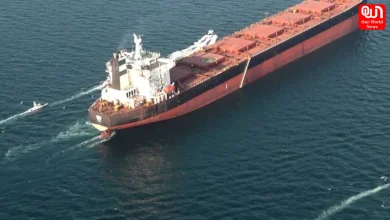
The Strait of Hormuz plays a crucial role in global oil supply, with a significant percentage of the world’s oil passing through this narrow route. Recent geopolitical tensions and conflict in the Middle East have disrupted this passage, causing sharp increases in oil prices worldwide.
Pakistan, which imports nearly 90% of its oil from the Gulf region, has been particularly vulnerable to these disruptions. The closure and instability around Hormuz have led to supply shortages and increased import costs, directly impacting domestic fuel pricing policies.
As a result, Pakistan Hikes High-Octane Fuel Price as part of a broader strategy to cope with rising import bills and currency pressure.
Rising Fuel Prices and Economic Pressure
This is not the first fuel price hike in recent weeks. Earlier in March, Pakistan had already increased petrol and diesel prices significantly due to global oil trends. The cumulative effect of these hikes is placing additional financial stress on consumers and businesses.
Although officials have stated that high-octane fuel is primarily used by luxury vehicle owners and will not directly impact public transport fares, the overall fuel inflation trend can have indirect consequences. Increased transportation and logistics costs often lead to higher prices for goods and services across the economy.
The decision highlights the difficult balance governments must maintain between managing fiscal deficits and protecting citizens from inflation.
Why High-Octane Fuel Was Targeted
The government’s focus on high-octane fuel is strategic. By increasing the price of fuel used mostly by high-income groups, authorities aim to generate revenue without immediately affecting the broader population.
However, critics argue that such measures are short-term solutions and do not address the structural issues within Pakistan’s energy sector. Dependence on imported fuel, currency depreciation, and geopolitical vulnerabilities continue to challenge long-term stability.
What Lies Ahead for Pakistan
The decision to increase fuel prices signals that Pakistan may continue to face economic challenges in the coming months. With global oil markets remaining volatile and geopolitical tensions unresolved, further adjustments in fuel pricing cannot be ruled out.
Energy experts suggest that diversification of energy sources, investment in renewables, and reduced reliance on imports could help mitigate future crises. Until then, policy decisions like Pakistan Hikes High-Octane Fuel Price will remain a key tool for managing immediate financial pressures.
Read more: Iran Fires Ballistic Missiles At US-UK, Diego Garcia Military Base
Conclusion
The sharp rise in high-octane fuel prices from PKR 100 to PKR 300 underscores the seriousness of the current economic and energy crisis. Driven by global supply disruptions and the Hormuz situation, Pakistan’s move reflects both necessity and urgency.
As the situation evolves, the impact of these decisions will be closely watched — not just within Pakistan, but across regions affected by global energy instability.
We’re now on WhatsApp. Click to join.
Like this post?
Register at One World News to never miss out on videos, celeb interviews, and best reads.