Nepal Election 2026: Balen Shah’s Party Sweeps Parliament
Nepal Election 2026 sees Balen Shah’s party sweep parliament as voters demand reform, anti-corruption, and new leadership in Nepal.

Nepal Election 2026: How Balen Shah and the Rastriya Swatantra Party Swept Parliament and Reshaped Nepal’s Political Landscape
As of March 2026, the Nepal Election 2026 has marked a historic turning point in the country’s political landscape. In a stunning result, Balen Shah and his party emerged as the dominant force in parliament, sweeping a majority of seats and signaling a dramatic shift away from Nepal’s traditional political parties. The outcome reflects growing frustration among voters with corruption, economic stagnation, and decades of political instability.
Nepal Election 2026 Brings a Political Earthquake
The Nepal Election 2026 was widely seen as one of the most important elections in the country’s modern democratic history. After months of political turmoil and protests in 2025, citizens demanded accountability and reform from the political class. The election became a referendum on the future of governance in Nepal.
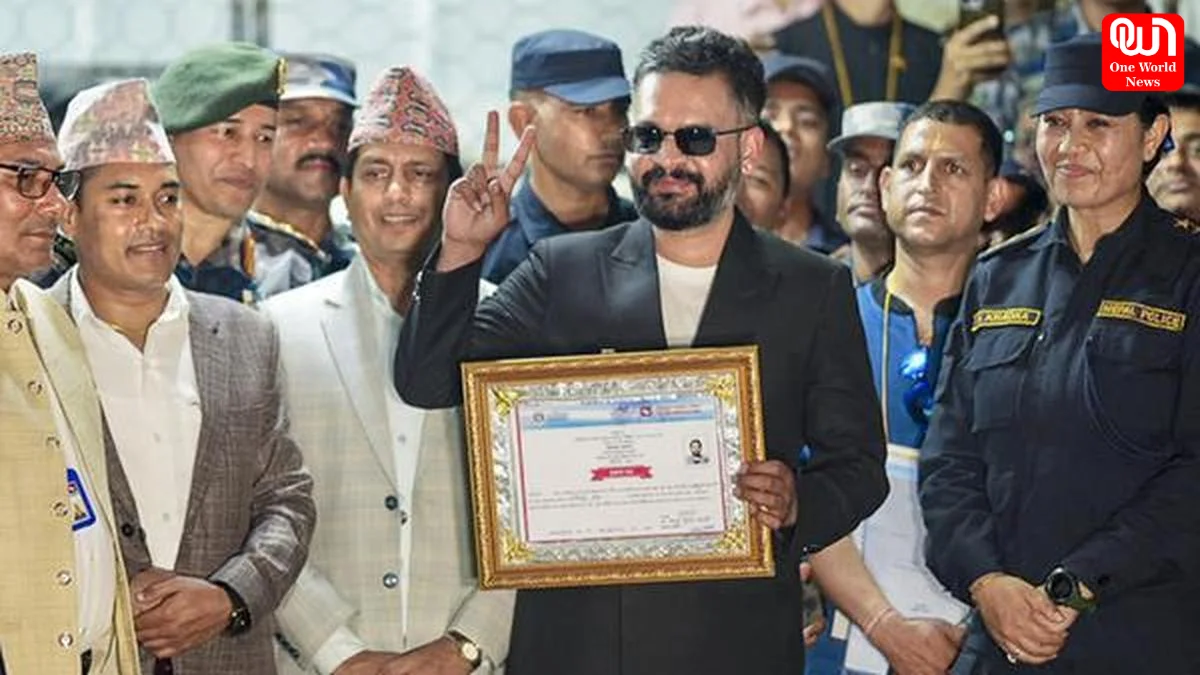
When the votes were counted, Balen Shah’s political movement surged ahead of traditional powerhouses like the Nepali Congress and the Communist Party factions. His party secured more than 120 of the 165 directly elected seats in parliament, positioning it to form the next government.
For many voters, the Nepal Election 2026 symbolized a generational shift. Younger voters, particularly those who had participated in anti-corruption protests, rallied behind Shah’s campaign promising transparency, economic reform, and a new political culture.
Who is Balen Shah?
Balen Shah, formally known as Balendra Shah, is not a typical politician. Before entering politics, he gained public recognition as a structural engineer and a socially conscious rapper who used music to speak about governance, corruption, and social justice.
His political rise began when he won the Kathmandu mayoral election in 2022 as an independent candidate. During his tenure, Shah focused on transparency, urban management, and anti-corruption initiatives, building a reputation as a reform-minded leader.
Read more: Gold and Silver Prices Today Show Mixed Trend Between MCX and Global Markets
Ahead of the Nepal Election 2026, Shah resigned from the mayor’s office to contest parliamentary elections and lead a broader political movement. His campaign quickly gained momentum, particularly among young voters who saw him as a symbol of change.
Youth Power and the 2025 Protests
The political environment leading up to the Nepal Election 2026 was shaped by intense public dissatisfaction. In 2025, widespread protests erupted across Nepal after accusations of corruption and controversial government decisions sparked public outrage.
The protests, largely led by young citizens, demanded political accountability and reforms. The unrest eventually forced the government to step down and triggered early elections.
These events created a powerful political moment that helped propel Shah and his party to the forefront of national politics. Many voters viewed the Nepal Election 2026 as an opportunity to break away from traditional party dominance.
Defeating Political Heavyweights
One of the most symbolic moments of the Nepal Election 2026 came when Balen Shah defeated veteran political leader and former Prime Minister KP Sharma Oli in a key constituency battle. This victory underscored the scale of the political transformation underway in Nepal.
For decades, Nepali politics had been dominated by established parties and long-standing political figures. Shah’s victory showed that voters were ready to embrace new leadership and alternative political movements.
What Shah’s Victory Means for Nepal
The results of the Nepal Election 2026 suggest that Nepal is entering a new political era. With strong parliamentary support, Shah’s party is expected to push for reforms focusing on governance transparency, job creation, and improved public services.
Political analysts say the victory also reflects a broader shift in South Asian politics, where younger leaders and reformist movements are gaining traction among voters.
Read more: Political Roundup: Top Developments on March 9
However, challenges remain. Managing economic recovery, addressing unemployment, and maintaining political stability will test the new leadership in the months ahead.
A Historic Moment for Nepal’s Democracy
The Nepal Election 2026 will likely be remembered as one of the most transformative elections in the country’s democratic journey. For many citizens, it represents hope that politics can be reshaped by accountability, youth participation, and a demand for honest governance.
As Nepal moves forward under new leadership, the election results highlight a powerful message from the people: change is not only possible—it is inevitable when citizens decide to take control of their democratic future.
We’re now on WhatsApp. Click to join.
Like this post?
Register at One World News to never miss out on videos, celeb interviews, and best reads.