1,300-Pound NASA Satellite To Crash Down To Earth After 14 Years In Orbit
NASA Satellite Crash: A 1,300-pound NASA satellite reenters Earth after 14 years in orbit. The NASA Satellite Crash poses minimal risk.

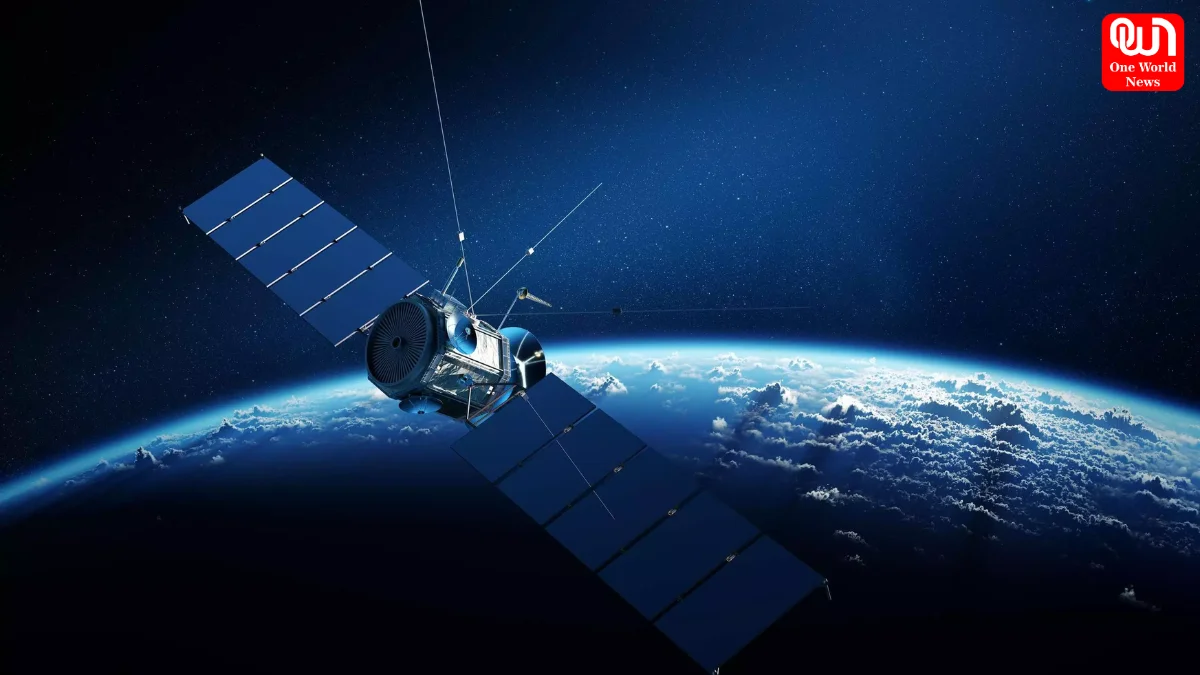
NASA Satellite Crash: 1,300-Pound Van Allen Probe Returning to Earth After 14 Years in Orbit Sparks Global Attention
Global attention turned toward space as reports confirmed a potential NASA Satellite Crash, involving a 1,300-pound spacecraft returning to Earth after nearly 14 years in orbit. The satellite, known as Van Allen Probe A, has completed its long scientific mission and is now expected to reenter Earth’s atmosphere, marking the end of an important chapter in space exploration.
What Is the NASA Satellite Crash Event?
The NASA Satellite Crash refers to the uncontrolled reentry of the Van Allen Probe A spacecraft, a satellite originally launched in August 2012 to study Earth’s radiation belts. Weighing about 1,323 pounds (600 kilograms), the satellite spent more than a decade collecting valuable scientific data before its orbit gradually decayed.
Scientists designed the Van Allen mission to explore the mysterious rings of high-energy particles trapped by Earth’s magnetic field. These belts protect our planet from solar radiation and cosmic particles, making them critical for understanding space weather and protecting satellites and astronauts.
Read more: NCERT Publicly Apologises After Row Over Judiciary Chapter in Class 8 Textbook
Why the NASA Satellite Is Falling Back to Earth
Like many satellites in low Earth orbit, Van Allen Probe A could not remain in space indefinitely. After completing its mission, the spacecraft was deactivated in 2019 when it ran out of fuel. Without active propulsion to maintain its orbit, atmospheric drag slowly pulled the satellite closer to Earth over the years.
Another factor accelerating the satellite’s descent is increased solar activity, which expands Earth’s upper atmosphere. This expansion creates more friction on orbiting objects, gradually lowering their altitude until they reenter the atmosphere.
What Happens During a NASA Satellite Crash
When a spacecraft like this returns to Earth, most of it burns up due to the intense heat generated during atmospheric entry. Scientists expect that the majority of the 1,300-pound satellite will disintegrate before reaching the ground. However, some small fragments may survive the descent and land somewhere on the planet.
Fortunately, experts emphasize that the risk to people is extremely small. NASA estimates the probability of someone being harmed at about 1 in 4,200, which is considered very low given that oceans cover over 70 percent of Earth’s surface.
A Mission That Exceeded Expectations
The Van Allen Probes mission was originally planned to last just two years, but it ultimately operated for nearly seven years and remained in orbit much longer. During its operational life, the satellite provided groundbreaking insights into the structure and behavior of Earth’s radiation belts.
One of the mission’s most remarkable discoveries was evidence of a temporary third radiation belt, which appears during strong solar storms. This finding helped scientists better understand how solar activity affects satellite operations, communication systems, and even power grids on Earth.
Why Satellite Reentries Are Not Unusual
Although the phrase NASA Satellite Crash sounds alarming, satellite reentries actually happen regularly. Thousands of satellites have been launched since the beginning of the space age, and many eventually fall back to Earth once their missions end.
Over the past several decades, space agencies have carefully monitored these events to ensure safety. Most satellites burn up completely during reentry, and documented cases of debris causing harm are extremely rare.
Monitoring the Reentry
The U.S. Space Force and NASA closely track the satellite’s trajectory as it approaches Earth. Predictions suggest the spacecraft could reenter the atmosphere around 7:45 p.m. EDT, though the exact time may vary by up to 24 hours due to uncertainties in atmospheric conditions.
Because the reentry is uncontrolled, scientists cannot predict the exact landing location until shortly before the event occurs. Still, experts reassure the public that the likelihood of debris landing in populated areas remains extremely low.
What Happens Next in the Mission’s Legacy
While Van Allen Probe A prepares for its final descent, its twin spacecraft — Van Allen Probe B — is expected to remain in orbit until at least the end of the decade.
Even after the NASA Satellite Crash, the mission’s scientific legacy will continue. Data collected by the probes has already improved models that predict space weather, helping engineers design stronger satellites and protect critical communication systems.
Read more: LPG Shortage Forces 20% of Mumbai Hotels and Restaurants to Shut
Why This NASA Satellite Crash Matters
Beyond the dramatic headlines, this event highlights the lifecycle of modern satellites and the importance of responsible space operations. As more nations and companies launch spacecraft into orbit, managing space debris and safe reentries will become increasingly important.
The NASA Satellite Crash is therefore not just the end of a spacecraft’s journey — it is also a reminder of the incredible achievements of space science and the ongoing effort to explore and understand the environment beyond our planet.
We’re now on WhatsApp. Click to join.
Like this post?
Register at One World News to never miss out on videos, celeb interviews, and best reads.