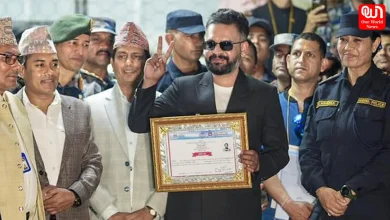
Gen-Z Wave in Nepal: How Young Voters Made Balen Shah Win
Gen-Z Wave in Nepal reshaped politics as young voters backed Balen Shah. Discover how Gen-Z Wave in Nepal drove a historic election shift.

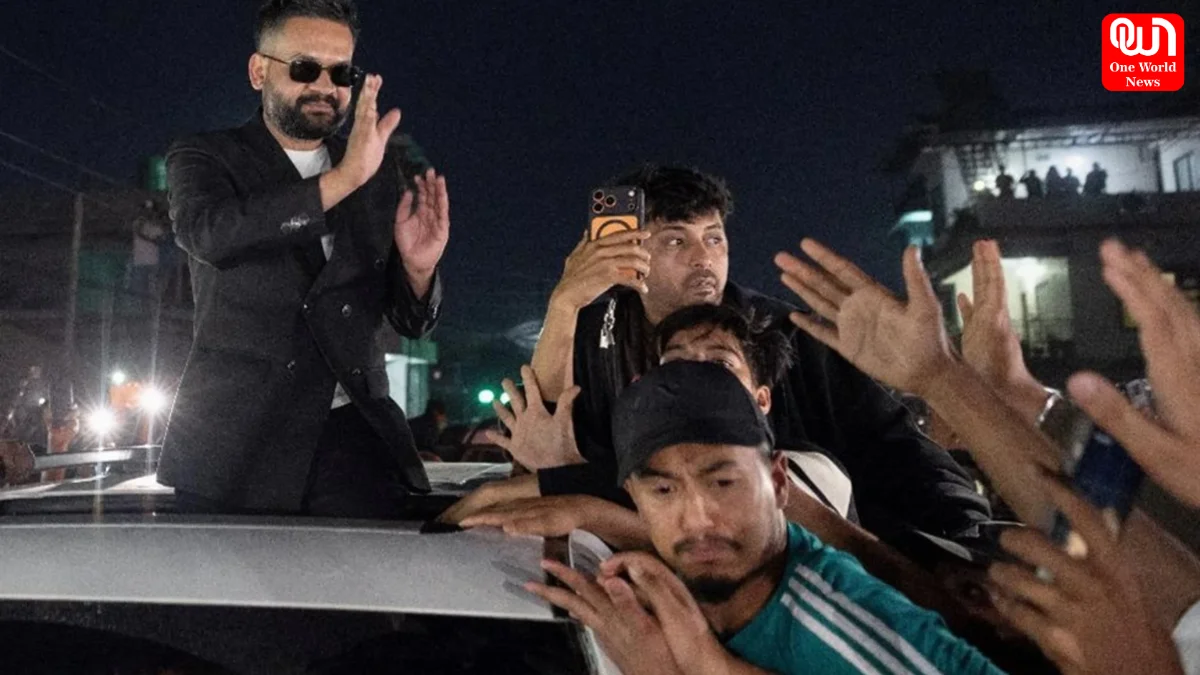
Gen-Z Wave in Nepal: How Young Voters, Digital Campaigns, and Anti-Establishment Energy Helped Balen Shah Win Kathmandu
150-Character Description
Gen-Z Wave in Nepal reshaped politics as young voters backed Balen Shah. Discover how Gen-Z Wave in Nepal drove a historic election shift.
On May 13, 2022, Nepal witnessed a political shift that surprised traditional parties and energized the country’s youth. The Gen-Z Wave in Nepal became a defining factor in the mayoral election of Kathmandu, where independent candidate Balen Shah emerged victorious against established political leaders. His win symbolized more than just an electoral result — it represented a generational shift in how politics is perceived and practiced in Nepal.
Read more: Gold and Silver Prices Today Show Mixed Trend Between MCX and Global Markets
For decades, Nepal’s political landscape was dominated by long-standing parties such as the Nepali Congress and the Communist Party of Nepal (Unified Marxist–Leninist). However, the Gen-Z Wave in Nepal demonstrated that young voters were ready to challenge the status quo. Frustrated with corruption, slow development, and traditional political structures, young citizens rallied behind a candidate who promised transparency, accountability, and modern governance.
The Rise of the Gen-Z Wave in Nepal
The Gen-Z Wave in Nepal was driven by a generation that grew up in the digital age. Young Nepalis are more connected than ever through social media platforms like Facebook, TikTok, and YouTube. These platforms became powerful tools for political awareness and mobilization during the election.
Unlike traditional campaigns that rely heavily on party networks and rallies, Balen Shah’s campaign used digital engagement to connect directly with voters. His speeches, music background, and social media presence resonated strongly with younger audiences. As a result, the Gen-Z Wave in Nepal quickly transformed into a grassroots movement that spread across Kathmandu.
Who is Balen Shah?
Balen Shah, whose full name is Balendra Shah, is a rapper, engineer, and social activist. Before entering politics, he was known in Nepal’s hip-hop scene, where his songs often addressed social inequality and governance issues. His transition from artist to political leader captured the imagination of the youth.
For many young voters, Balen Shah represented authenticity. Unlike traditional politicians, he appeared approachable, relatable, and independent. The Gen-Z Wave in Nepal saw him not just as a candidate but as a symbol of change — someone who understood the frustrations of a new generation.
Digital Campaigns and Youth Mobilization
One of the most significant factors behind the Gen-Z Wave in Nepal was the role of digital campaigning. Young volunteers created memes, short videos, and informational posts supporting Balen Shah’s campaign. This organic digital promotion helped spread his message rapidly without the massive financial resources typically required in elections.
University students, young professionals, and first-time voters played a crucial role in mobilizing support. Many young people publicly declared that they were voting for the first time because they believed change was possible. This surge in youth participation strengthened the Gen-Z Wave in Nepal and challenged the dominance of traditional political machines.
Frustration with Traditional Politics
The success of the Gen-Z Wave in Nepal also reflected deeper dissatisfaction with the political system. Many young citizens felt that established parties had failed to address issues like urban planning, infrastructure, employment opportunities, and corruption.
Kathmandu, Nepal’s capital, has long struggled with traffic congestion, waste management problems, and rapid urbanization. Young voters believed a fresh leader could bring innovative solutions. Balen Shah’s campaign focused on practical reforms, transparency, and better city management — ideas that resonated strongly with Gen-Z voters.
A Historic Victory
When the election results were announced, Balen Shah defeated candidates from major parties to become the Mayor of Kathmandu. His victory marked one of the most significant political upsets in recent Nepalese history.
The Gen-Z Wave in Nepal proved that independent candidates could challenge powerful political institutions if they captured public trust. For many observers, the election showed that Nepal’s democracy was entering a new phase where youth voices could reshape political outcomes.
What the Gen-Z Wave in Nepal Means for the Future
The Gen-Z Wave in Nepal has sparked conversations about the future of politics in the country. Young voters are increasingly demanding transparency, efficiency, and accountability from leaders. Their growing political participation suggests that future elections may continue to see unconventional candidates rise to prominence.
Read more: Political Roundup: Top Developments on March 9
Political analysts believe this movement could encourage more young leaders to enter public service. If the Gen-Z Wave in Nepal continues, it could reshape Nepal’s democratic culture by promoting merit-based leadership and citizen-driven governance.
Ultimately, the story of Balen Shah’s victory reflects the power of youth engagement in modern democracy. The Gen-Z Wave in Nepal showed that when young citizens unite around a vision for change, they can transform political landscapes and inspire a new era of leadership.
We’re now on WhatsApp. Click to join.
Like this post?
Register at One World News to never miss out on videos, celeb interviews, and best reads.