How Ongoing Learning Helps Healthcare Professionals Adapt to Change
As healthcare continues to evolve, professionals are being asked to adjust to far more than new medical information alone.

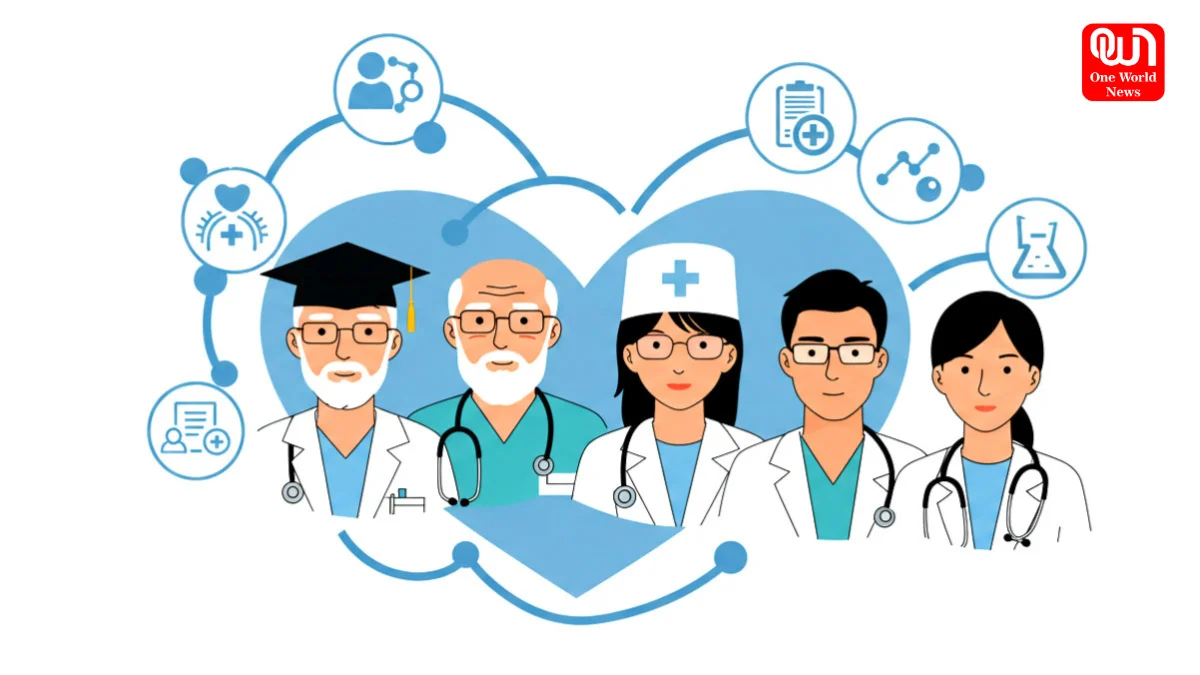
As healthcare continues to evolve, professionals are being asked to adjust to far more than new medical information alone. Daily work now involves changing protocols, updated compliance requirements, new technology, shifting patient expectations, and workplace pressures that can look very different from one year to the next. In that kind of environment, staying effective depends on more than experience. It depends on continuing to learn in ways that keep practice current and practical.
That is why ongoing education has become such an important part of long-term success in healthcare. Rather than treating it as a requirement to complete and move past, many professionals are starting to see it as one of the most useful ways to stay sharp, make better decisions, and keep pace with a field that doesn’t stay still for very long.
Why Learning Matters in a Fast-Moving Healthcare Environment
The pace of change in healthcare affects nearly every role. A nurse may need to adapt to new documentation systems. A supervisor may need stronger leadership and communication skills. A clinical team may be asked to respond to new patient safety expectations while also handling more operational complexity.
In that setting, healthcare continuing education gives professionals a structured way to keep building relevant knowledge as their responsibilities change. It creates space to strengthen the skills that matter now, rather than waiting until a gap starts to affect performance or confidence on the job.
Staying Current With Technology, Safety, and Patient Needs
One reason ongoing learning matters so much is that healthcare is always changing. Technology is changing the way teams communicate, document care, and manage workflows, while patient expectations continue to grow around access, communication, and quality of care.
That shift is easy to see in areas such as technology-enabled care, where new tools are already shaping clinical workflows, patient interactions, and staff responsibilities. For healthcare professionals, that means staying current is not optional. It’s part of being able to work confidently in the systems patients and organizations now rely on.
Read More: World Health Day 2026: Theme, Significance, and Global Impact
Learning That Supports Better Judgment at Work
Ongoing learning is also valuable because healthcare decisions rarely happen in perfect conditions. Professionals are often working under time pressure, managing competing priorities, and responding to situations that do not always follow a script. Education helps them do more than remember procedures. It helps them understand why standards change, how systems connect, and what good judgment looks like when the situation is not straightforward.
That kind of learning also supports stronger teamwork. When people understand updated expectations and the reasoning behind them, communication tends to improve and daily work becomes more consistent. In practice, that can reduce confusion, improve collaboration, and reinforce shared learning from safety events, which plays an important role in strengthening quality across healthcare settings.
A Practical Way to Keep Moving Forward
For healthcare professionals, ongoing learning is not separate from the job. It’s part of how the job is done well over time. It helps people adjust to change without feeling constantly behind, and it gives them a more reliable way to grow along with the demands of the field.
In a field where expectations keep changing, the professionals who remain effective are usually the ones who continue learning in a purposeful way. They do it not just to meet a requirement, but to keep growing and doing their work well.
We’re now on WhatsApp. Click to join.
Like this post?
Register at One World News to never miss out on videos, celeb interviews, and best reads.