Mattel Launches Its First Autistic Doll as Barbie Becomes More Inclusive
Mattel unveils its first Autistic Doll in the Barbie Fashionistas line, featuring sensory tools and inclusive design for authentic representation.

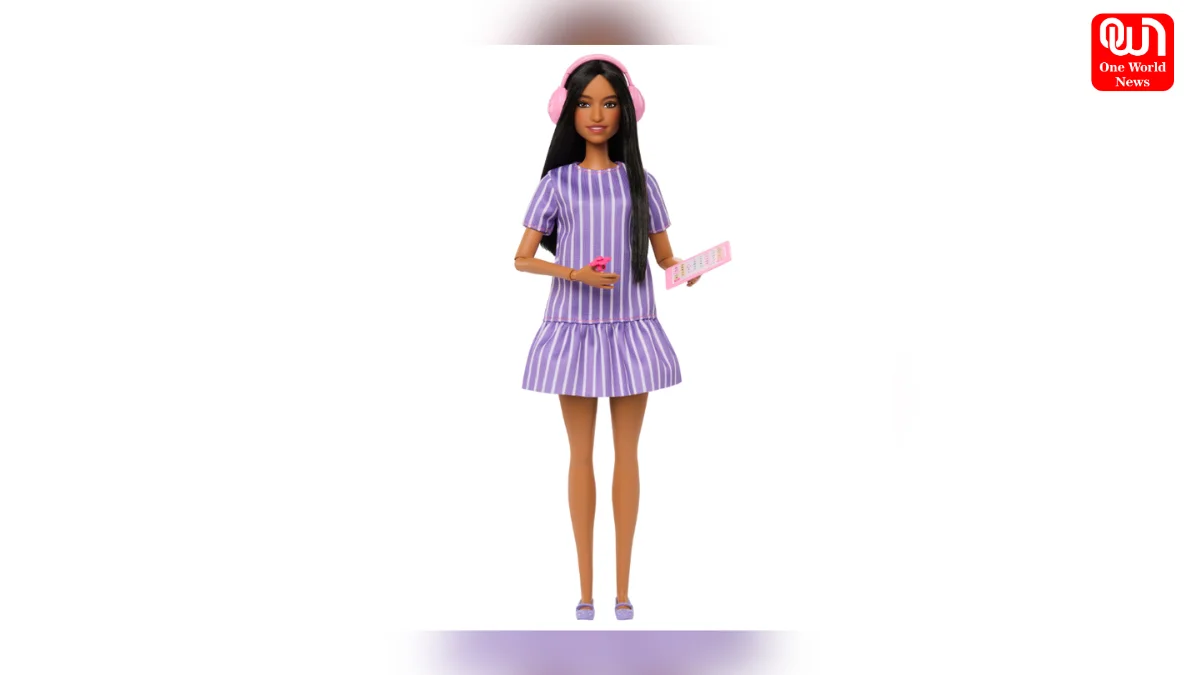
Barbie With Fidget Spinner and Headphones: Mattel Launches Its First Autistic Doll to Promote Inclusion Through Play
Mattel has taken a significant step toward inclusive representation with the launch of its first-ever Autistic Doll under the Barbie Fashionistas line. Announced on January 12, the new Barbie reflects the company’s ongoing effort to create toys that represent a wider range of real-life identities, abilities, and experiences.
The launch marks an important moment not just for the toy industry, but for families and children who have long sought authentic representation in everyday play.
A Thoughtful and Collaborative Creation
The Autistic Doll was developed in partnership with the Autistic Self Advocacy Network, a disability rights organization led by autistic individuals. The collaboration lasted over 18 months and involved extensive consultation to ensure the doll reflected lived experiences in a respectful and meaningful way.
Rather than relying on stereotypes, the design process focused on authenticity, listening to autistic voices, and understanding the diversity within the autism spectrum. Mattel emphasized that the goal was representation, not definition — acknowledging that autism presents differently for every individual.
Design Features Rooted in Real Experiences
The Autistic Doll includes several carefully considered design elements. The doll has flexible joints that allow movements such as hand flapping, a common self-regulating behavior for some autistic people. Her gaze is slightly averted, reflecting how some individuals may avoid direct eye contact during interaction.
She wears flat shoes and a loose-fitting purple dress, chosen to reduce fabric-to-skin contact and reflect sensory comfort needs. These design choices were intentional, recognizing that sensory sensitivity can play a significant role in daily life for many autistic individuals.
Accessories That Reflect Everyday Tools
One of the most impactful aspects of the Autistic Doll is her accessories. The doll comes with a finger-clip fidget spinner, a tool often used for focus and sensory regulation. She also includes noise-cancelling headphones, representing how some autistic people manage sound sensitivity in busy environments.
Additionally, the doll features a communication tablet with symbol-based AAC applications, highlighting alternative forms of communication used by some autistic individuals. These accessories are not presented as limitations, but as empowering tools that help people navigate the world in ways that work best for them.
Read more: ISRO’s PSLV-C62 Mission Launches From Sriharikota With EOS-N1, Faces Technical Glitch
Representation Without Generalization
Mattel has been clear that the Autistic Doll does not attempt to represent all autistic experiences. Instead, it reflects some common traits and tools while leaving room for children to imagine, adapt, and create their own narratives.
This approach reinforces the idea that autism is a spectrum, not a single identity. Through imaginative play, children can recognize themselves, their peers, or family members — or simply learn empathy and understanding through exposure.
Why Inclusive Toys Matter
Toys play a powerful role in shaping how children see the world and themselves. For autistic children, seeing an Autistic Doll that reflects their experiences can be validating and empowering. It sends a message that they are seen, valued, and included.
For non-autistic children, inclusive toys help build awareness and acceptance from an early age. Playing with dolls that represent different abilities encourages empathy, normalizes differences, and fosters more inclusive attitudes as children grow.
Building on a Broader Inclusion Effort
The launch of the Autistic Doll builds on Mattel’s previous efforts to expand representation within the Barbie Fashionistas line. Earlier releases have included dolls with Down syndrome, diabetes, hearing aids, prosthetic limbs, and other visible disabilities.
Each new addition reflects a broader shift in the toy industry — moving away from narrow beauty standards and toward a more realistic portrayal of the world children live in.
Industry and Community Response
Advocates have welcomed the release as a meaningful step forward. Leaders within the autism community have described the doll as joyful, affirming, and thoughtfully designed. The response highlights a growing demand for products that are created with, not just for, marginalized communities.
Read more: Indian Army Opens Fire After Pakistani Drones Sighted Along LoC in J&K
The Autistic Doll also reflects changing consumer expectations, as parents increasingly seek toys that teach inclusion and reflect real-life diversity.
A New Chapter for Play and Representation
Mattel’s first Autistic Doll is more than a new Barbie — it represents a shift in how play can reflect and shape society. By centering lived experiences and prioritizing authenticity, the doll challenges outdated norms and opens space for more inclusive storytelling.
Through thoughtful design and collaboration, the Autistic Doll helps ensure that more children can see themselves in the toys they love — and learn to celebrate differences through play.
We’re now on WhatsApp. Click to join.
Like this post?
Register at One World News to never miss out on videos, celeb interviews, and best reads.