Sonam Wangchuk Hunger Strike Ends After 26 Days: ‘Hunger Tastes Better’ Moment Sparks Fresh Debate on NEET Paper Leak and Examination Reforms
Sonam Wangchuk ends hunger strike after 26 days. Know about Sonam Wangchuk health, NEET paper leak, examination reforms and JP Nadda talks.

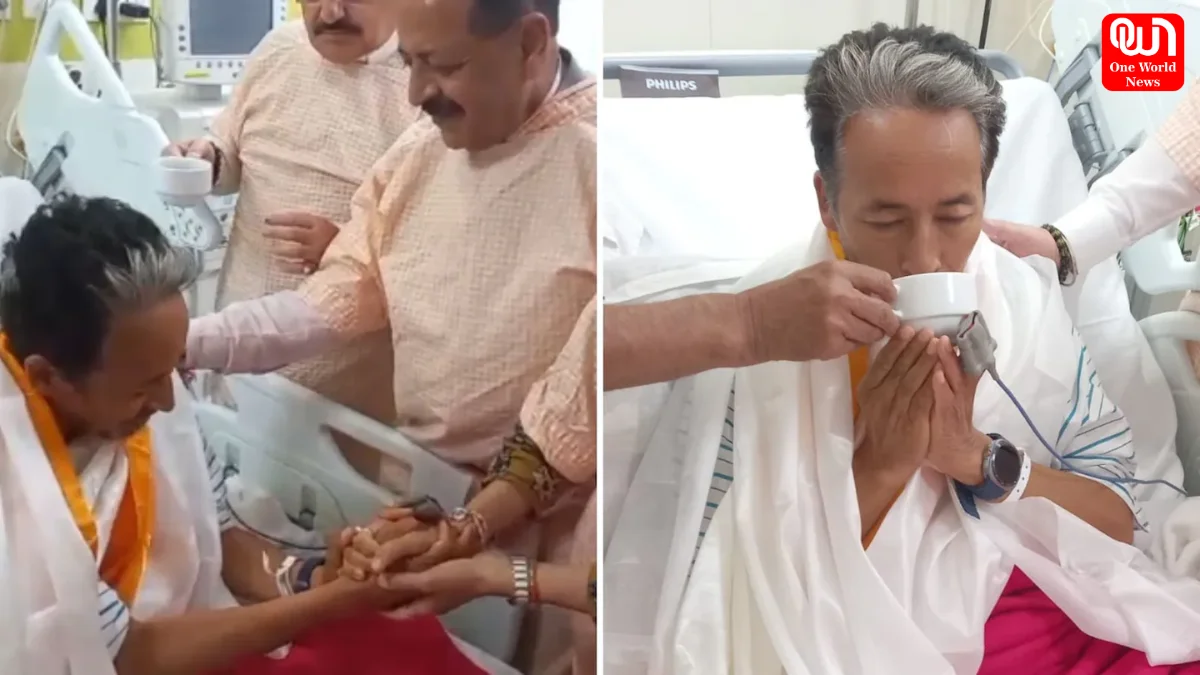
Sonam Wangchuk Hunger Strike Ends After 26 Days as He Sips Soup, Says ‘Hunger Tastes Better’; NEET Paper Leak, Examination Reforms and JP Nadda Talks Remain in Focus
Social activist and education reformer Sonam Wangchuk finally ended his 26-day fast with a simple bowl of soup, smiling as he remarked, “Hunger tastes better.” The emotional moment marked the end of one of India’s most talked-about public protests, drawing attention to the NEET paper leak, demands for examination reforms, and concerns over students’ future.
The Sonam Wangchuk hunger strike received nationwide support from students, educators, activists, and public figures. Throughout the protest, many closely followed Sonam Wangchuk health, as doctors regularly monitored his condition after nearly four weeks without solid food.
Why Did Sonam Wangchuk Start the Hunger Strike?
The Sonam Wangchuk hunger strike began as an expression of solidarity with students protesting alleged irregularities in the NEET paper leak controversy. Protesters demanded accountability, transparency, and long-term examination reforms to restore trust in India’s competitive examination system.
Apart from the investigation into the alleged paper leak, students also called for stronger safeguards against future examination irregularities and action against those responsible. Wangchuk stated that India’s youth deserved a fair and transparent education system where merit is protected.
Sonam Wangchuk Health Became a Major Concern
As the fast continued, Sonam Wangchuk health became a significant concern for doctors and supporters. Medical teams monitored his blood pressure, blood sugar levels, hydration, and overall condition throughout the hunger strike.
Reports indicated that prolonged fasting had caused noticeable weight loss and physical weakness. Eventually, Wangchuk was shifted to hospital care where doctors continued observing his recovery while discussions with the government progressed.
JP Nadda Meets Sonam Wangchuk
One of the turning points came when Union Minister JP Nadda, along with Union Minister Jitendra Singh, met Wangchuk in the hospital.
The discussions reportedly focused on student concerns, examination integrity, and assurances regarding peaceful protesters. Following these meetings and government commitments, Sonam Wangchuk ends hunger strike, saying that avoiding further unrest and protecting students had become the priority.
‘Hunger Tastes Better’ Wins Hearts
After ending the fast by sipping soup, Sonam Wangchuk smiled and commented that “Hunger tastes better.” The statement quickly spread across social media, with many interpreting it as a reflection of discipline, patience, and commitment to a larger cause.
Supporters praised his peaceful approach to raising awareness about education reforms, while many students thanked him for standing beside them during one of the country’s biggest education-related controversies.
NEET Paper Leak Continues to Raise Questions
Although Sonam Wangchuk ends hunger strike, the larger debate surrounding the NEET paper leak remains active.
The controversy has triggered widespread discussions on examination security, fairness, digital monitoring, and institutional accountability. Students and education experts continue to advocate for stronger mechanisms to prevent paper leaks, improve transparency, and ensure equal opportunities for candidates across the country.
The issue has also encouraged policymakers to consider comprehensive examination reforms that strengthen confidence in national entrance examinations.
Examination Reforms Remain the Key Demand
The movement has shifted attention beyond a single examination controversy. Protesters believe India requires structural examination reforms that include:
- Stronger cybersecurity for examination systems.
- Faster investigation of paper leak cases.
- Transparent recruitment and examination processes.
- Better accountability of examination authorities.
- Protection of students from unfair practices.
Education experts believe these reforms could improve public confidence while protecting millions of students preparing for competitive examinations every year.
Read more: Salman Khan Supports CJP NEET Protest at Jantar Mantar, Says ‘My Heart Goes Out to Students’
What Happens Next?
Although Sonam Wangchuk ends hunger strike, the broader campaign for educational accountability is expected to continue. Student groups have indicated that they will keep demanding justice, transparency, and meaningful policy changes related to the NEET paper leak and future examination reforms.
The government’s recent announcements, discussions involving JP Nadda, and legislative initiatives will likely remain under close public scrutiny in the coming months. Both students and educators hope these developments result in lasting improvements that protect the integrity of India’s examination system.
We’re now on WhatsApp. Click to join.
Like this post?
Register at One World News to never miss out on videos, celeb interviews, and best reads.