
Rupee Hits Record Low Of 93.12 Amid Oil Shock and Middle East Tensions
Rupee Hits Record Low Of 93.12 as oil prices surge and Middle East tensions rise. Know causes, impact on economy, and what lies ahead.

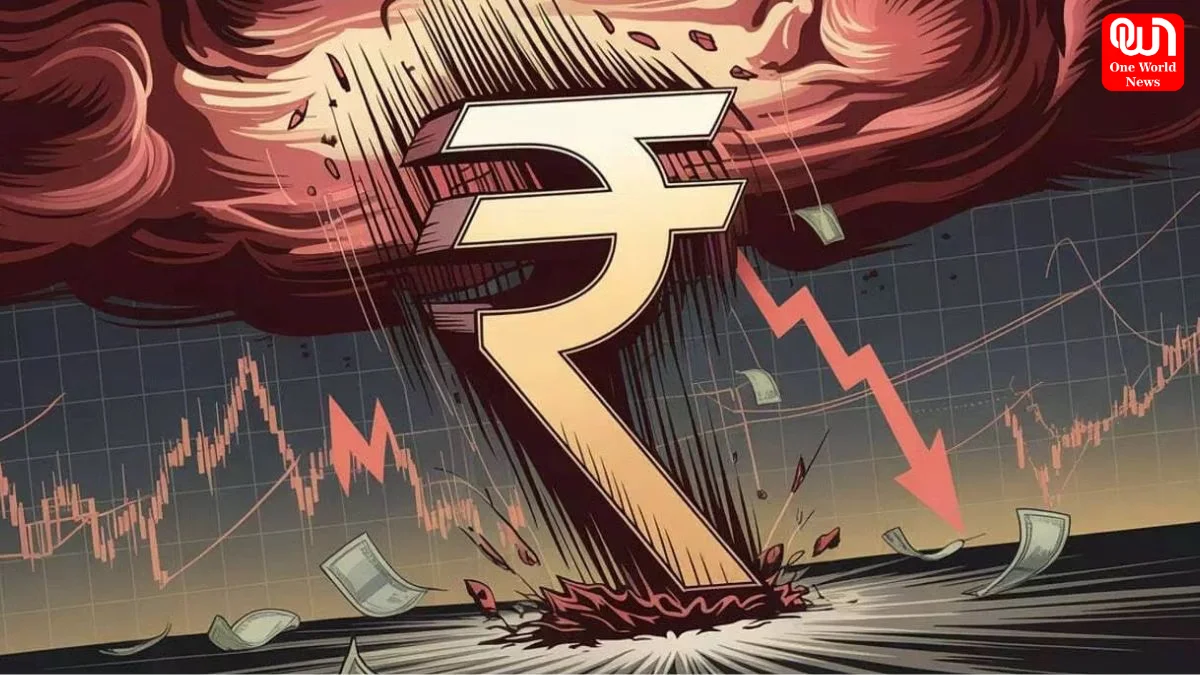
Rupee Hits Record Low Of 93.12: How Oil Shock, Middle East Tensions, and FII Outflows Are Impacting Indian Economy
The Indian currency has taken a sharp hit as the Rupee Hits Record Low Of 93.12 against the US dollar, marking a historic fall in the forex market. This sudden depreciation is not just a routine fluctuation but a reflection of deeper global and domestic economic pressures.
The primary trigger behind this decline is the ongoing geopolitical tension in the Middle East. With conflicts escalating, global markets have entered a risk-off mode, pushing investors towards safer assets like the US dollar. As a result, emerging market currencies like the Indian rupee have come under intense pressure.
Another major factor contributing to this fall is the surge in crude oil prices. Oil prices recently climbed close to $120 per barrel due to disruptions in global supply chains. For a country like India, which imports more than 80% of its crude oil needs, rising oil prices significantly increase the demand for dollars. This directly weakens the rupee.
The situation has been further worsened by heavy foreign institutional investor (FII) outflows. In March alone, foreign investors pulled out over $8 billion from Indian equities. When investors exit the market, they convert rupees into dollars, increasing dollar demand and accelerating the rupee’s decline.
Read more: Political Roundup: Key Updates from Parliament, Elections & Policy Push
Additionally, the strengthening of the US dollar globally has made things tougher for the rupee. As the dollar gains strength due to global uncertainty and higher interest rates, weaker currencies struggle to maintain their value.
Impact on Indian Economy
When the Rupee Hits Record Low Of 93.12, the impact is widespread. One of the most immediate effects is rising inflation. Imported goods such as fuel, electronics, and machinery become more expensive. This leads to higher costs for businesses and ultimately affects consumers through increased prices.
Fuel prices, in particular, are highly sensitive to currency fluctuations. A weaker rupee means India has to pay more for oil imports, which can lead to higher petrol and diesel prices. This, in turn, increases transportation and logistics costs, pushing inflation even further.
The depreciation also impacts India’s trade deficit. As imports become costlier and exports may not rise proportionately, the current account deficit widens. Economists warn that sustained pressure on the rupee could slow down economic growth if not managed effectively.
Role of RBI and Future Outlook
The Reserve Bank of India (RBI) has been actively monitoring the situation and has intervened in the forex market by selling dollars to stabilize the rupee. However, continuous intervention can drain foreign exchange reserves, making it a delicate balancing act.
Experts believe that if geopolitical tensions continue and oil prices remain elevated, the rupee could weaken further, potentially approaching the 95 mark.
On the positive side, any easing in Middle East tensions or stabilization in oil prices could provide relief to the rupee. Government policy measures, controlled inflation, and improved capital inflows could also help stabilize the currency.
Read more: Gold Silver Prices Today: Bullion Market Sees Sharp Decline
Conclusion
The fact that the Rupee Hits Record Low Of 93.12 highlights how interconnected the global economy has become. External shocks like war, oil price spikes, and capital flows can quickly impact domestic markets.
For investors and businesses, this is a time to stay cautious and monitor global developments closely. While short-term volatility is likely to continue, long-term stability will depend on how effectively India manages external risks and strengthens its economic fundamentals.
We’re now on WhatsApp. Click to join.
Like this post?
Register at One World News to never miss out on videos, celeb interviews, and best reads.