
India Weighs Naval Escorts for Tankers & Cargo Ships for Safe Passage Through Hormuz
India Weighs Naval Escorts as Tankers & Cargo Ships seek Safe Passage through Hormuz amid attacks and rising tensions threatening global oil routes.

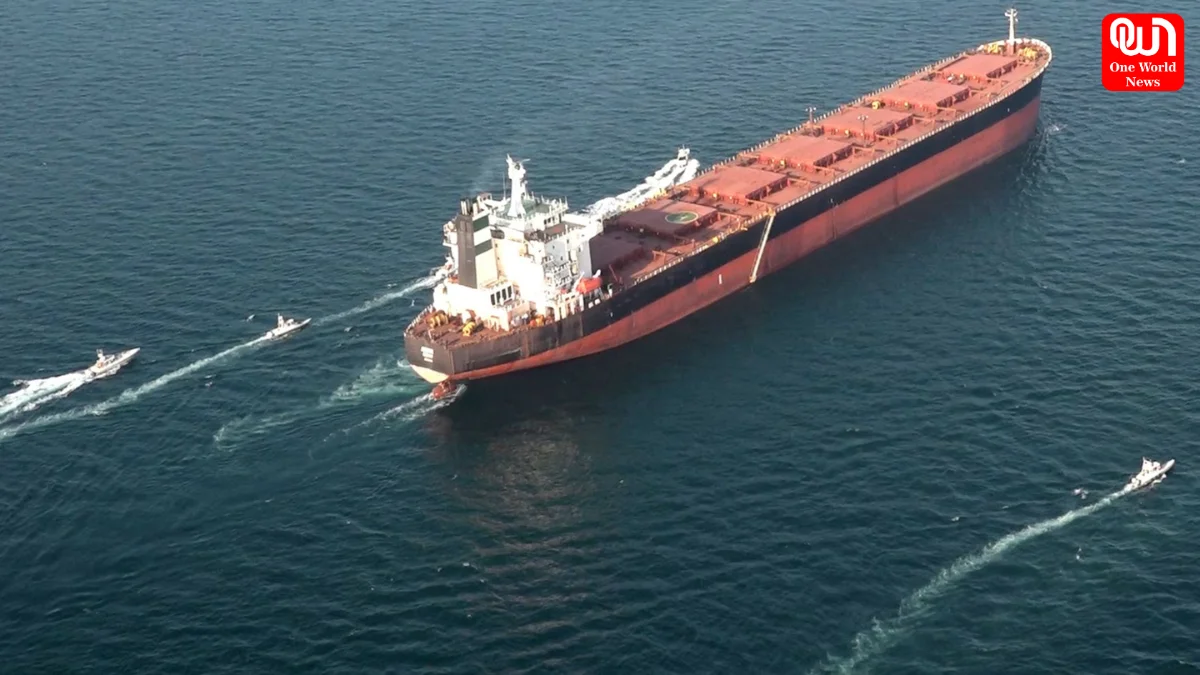
India Weighs Naval Escorts for Tankers & Cargo Ships for Safe Passage Through Hormuz Amid Rising Maritime Threats in the Gulf
As of 12 March 2026, India is carefully evaluating a major maritime security move as tensions escalate in the Middle East. Reports suggest that India Weighs Naval Escorts to protect Tankers & Cargo Ships For Safe Passage Through Hormuz, one of the world’s most strategic and sensitive shipping routes. The decision comes amid rising attacks on commercial vessels and growing concerns about the safety of Indian sailors and critical energy shipments.
Read more: Could Aufguss Sauna Become the Biggest Wellness Trend of 2026?
India Weighs Naval Escorts as Gulf Tensions Rise
The Strait of Hormuz has become a global flashpoint following the ongoing conflict involving Iran and Western powers. Several merchant vessels have been attacked in recent weeks, triggering alarm across international shipping industries. Reports indicate that India is considering deploying naval warships to escort Indian merchant vessels, including oil tankers and cargo ships, to ensure their safety during transit.
For India, the issue is critical. A significant portion of the country’s energy supplies passes through this narrow maritime corridor. Any disruption could directly impact oil imports, fuel prices, and economic stability. As a result, policymakers are evaluating whether naval protection could provide the Safe Passage Through Hormuz that Indian shipping companies urgently need.
Why Tankers & Cargo Ships For Safe Passage Matter
The Strait of Hormuz is one of the most important maritime chokepoints in the world. Nearly 20% of global oil supply passes through this narrow channel connecting the Persian Gulf with the Arabian Sea.
When tensions rise in the region, the impact quickly spreads across global markets. Recently, attacks on commercial vessels, including fuel tankers and container ships, have increased fears that maritime traffic could halt entirely. Shipping companies have become increasingly cautious, and some vessels have been forced to anchor outside the strait while awaiting safer conditions.
For India, which imports a large share of its crude oil from West Asian countries, ensuring that Tankers & Cargo Ships For Safe Passage can move safely through Hormuz is essential for energy security.
Security Concerns in the Strait of Hormuz
Recent incidents have highlighted just how dangerous the region has become. Merchant ships traveling through the Gulf have reportedly been struck by projectiles or explosive boats as the conflict in the region intensifies.
These attacks have significantly disrupted maritime activity. At one point, tanker traffic in the region dropped sharply, with many ships avoiding the strait altogether due to the risk of military confrontation.
In response, several countries have started considering naval escorts to protect commercial vessels. Such escorts typically involve naval warships accompanying merchant ships through high-risk zones, providing surveillance and deterrence against attacks.
Read more: Ridhima Pandit Breaks Silence on Shubman Gill Dating Rumours
India’s Strategic Maritime Response
India already has experience protecting its maritime interests in volatile regions. The Indian Navy has previously conducted operations aimed at safeguarding merchant vessels and ensuring secure trade routes in the Gulf and Indian Ocean region.
A potential escort mission through Hormuz would likely involve naval warships accompanying Indian-flagged vessels or ships carrying Indian cargo. This would provide both protection and reassurance to shipping companies, insurance providers, and crew members navigating the risky waters.
Officials are reportedly monitoring the situation closely while coordinating with international partners and regional governments to assess the feasibility of such an operation. The move would demonstrate India’s commitment to protecting its maritime trade routes and the thousands of seafarers working on Indian-linked vessels.
Diplomatic Efforts Alongside Naval Planning
Alongside military preparedness, India has also engaged in diplomatic communication with regional actors. Recent talks between Indian and Iranian officials have focused on ensuring maritime safety and preventing further escalation that could endanger civilian shipping.
Diplomacy remains an important component of the strategy. If negotiations succeed in reducing tensions, it could reduce the need for military escorts while restoring confidence in international shipping lanes.
However, until stability returns to the region, the possibility that India Weighs Naval Escorts for Tankers & Cargo Ships For Safe Passage Through Hormuz remains firmly on the table.
Global Impact of the Hormuz Crisis
The crisis in Hormuz is not just a regional issue—it has global consequences. Energy markets, shipping routes, and international trade networks all depend on the stability of this narrow maritime corridor.
If attacks continue or the strait becomes fully blocked, oil prices could surge dramatically, and global supply chains could face serious disruptions. That is why countries across the world are closely monitoring developments and exploring security options.
For India, protecting energy lifelines and safeguarding the lives of its sailors remains a top priority. As tensions evolve, the decision on whether to deploy naval escorts could become a defining step in ensuring safe maritime trade through one of the world’s most strategic waterways.
We’re now on WhatsApp. Click to join.
Like this post?
Register at One World News to never miss out on videos, celeb interviews, and best reads.