India Talks With Iran To Move Eight LPG Tankers Through Strait Of Hormuz
India Talks With Iran to Move Eight LPG Tankers through Strait Of Hormuz as tensions rise. Energy security and tanker safety dominate talks.

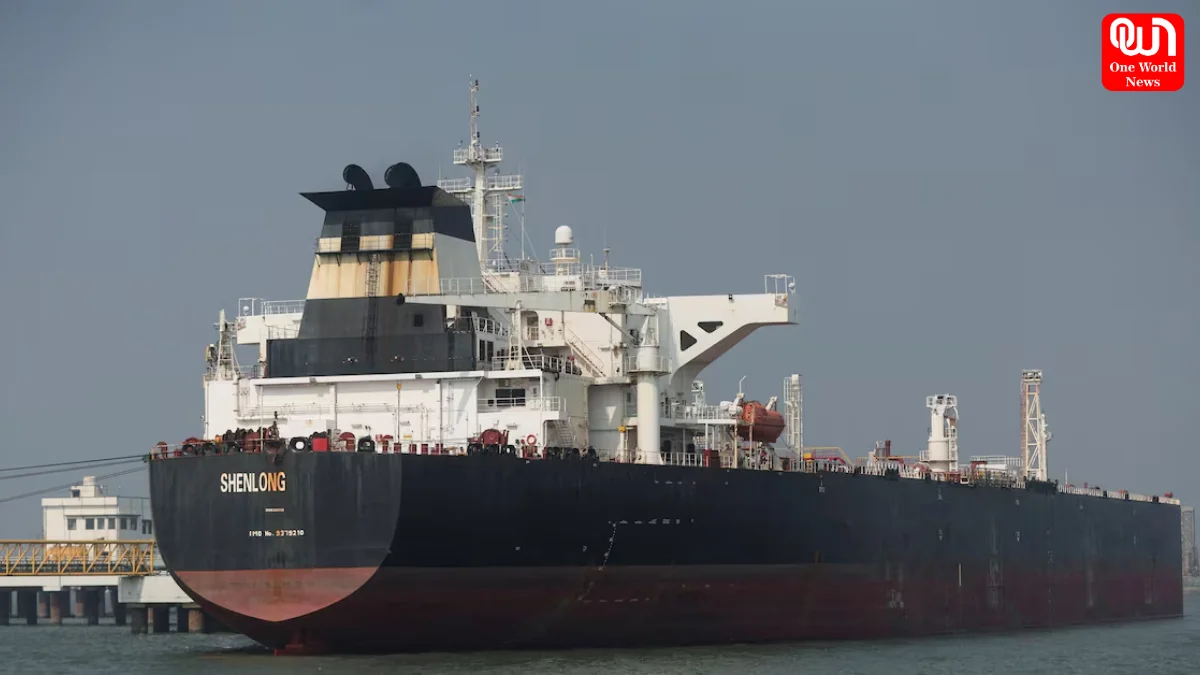
India Talks With Iran To Move Eight LPG Tankers Through Strait Of Hormuz Amid Rising Gulf Tensions And Global Energy Supply Concerns
As of March 2026, India is in active diplomatic talks with Iran to ensure the safe movement of energy shipments through the Strait Of Hormuz, one of the world’s most critical maritime routes. The discussions focus on plans to Move Eight LPG Tankers carrying liquefied petroleum gas, a vital fuel for millions of households and industries in India. The development highlights the growing urgency around energy security as geopolitical tensions in the Middle East continue to disrupt global shipping routes.
India Talks With Iran Over Energy Shipments
The Indian government has opened diplomatic channels with Iran to secure safe passage for LPG shipments moving through the Strait Of Hormuz. Reports indicate that India Talks With Iran are aimed at ensuring that eight LPG tankers can pass through the strategically sensitive waterway without disruption.
Read more: India Weighs Naval Escorts for Tankers & Cargo Ships for Safe Passage Through Hormuz
India relies heavily on energy imports from the Gulf region, and a significant portion of these shipments passes through the Strait Of Hormuz. This narrow corridor connects the Persian Gulf to the Arabian Sea and serves as a critical artery for global oil and gas trade. Any disruption in this passage can immediately impact fuel supplies and global energy prices.
The diplomatic engagement comes after escalating tensions in the region raised concerns about the safety of merchant vessels navigating the strait.
Plan To Move Eight LPG Tankers
The immediate focus of the negotiations is to Move Eight LPG Tankers that are either waiting near the Gulf region or scheduled to transit the Strait Of Hormuz toward India. LPG plays an essential role in India’s domestic energy system, especially for cooking fuel supplied to millions of households through government-supported programs.
Ensuring uninterrupted LPG shipments is therefore a national priority. The Indian government has been coordinating with shipping companies, energy suppliers, and diplomatic partners to maintain the steady flow of fuel supplies despite the regional security challenges.
Officials are closely monitoring the situation while working to prevent delays or risks to Indian cargo vessels.
Why The Strait Of Hormuz Matters
The Strait Of Hormuz is widely considered one of the most strategically important maritime chokepoints in the world. Nearly 20 percent of the global oil supply passes through this narrow waterway each day. Any disruption can trigger spikes in energy prices and cause ripple effects across international markets.
For India, the strait is even more crucial. A large portion of its crude oil, natural gas, and LPG imports travel through this route. As Asia’s third-largest energy consumer, India’s economic stability depends heavily on the uninterrupted flow of these energy resources.
Because of its importance, governments and navies around the world closely monitor developments in the region.
Diplomatic Efforts And Regional Tensions
The talks between India and Iran are part of broader diplomatic efforts to safeguard maritime security during a period of heightened tensions in West Asia. India’s External Affairs Minister has reportedly held multiple discussions with Iranian officials to address concerns related to shipping safety and energy supplies.
These conversations reflect India’s proactive approach to protecting its strategic interests while maintaining stable relations with key partners in the region. Ensuring the safety of merchant vessels is especially important as several ships have faced security threats during the ongoing geopolitical tensions.
By maintaining direct communication with Iran, India hopes to secure safe transit for its ships and avoid disruptions to critical energy imports.
Safeguarding India’s Energy Security
The plan to Move Eight LPG Tankers safely through the Strait Of Hormuz underscores the broader challenge of protecting global energy supply chains. Even short disruptions in the route can affect shipping schedules, fuel prices, and supply availability.
To reduce risks, India has also been exploring alternative energy supply routes and diversifying its import sources. However, the Strait Of Hormuz remains an unavoidable gateway for a large share of the country’s energy imports.
For now, diplomatic engagement remains the primary tool to ensure stability in the region and secure vital energy shipments.
Read more: Political Roundup: Key Developments Shaping India and Global Politics
A Critical Moment For Global Shipping
The situation surrounding the Strait Of Hormuz highlights how closely global politics and energy markets are connected. As India Talks With Iran to secure the safe passage of shipments, the outcome will not only impact the eight LPG tankers but also signal how international cooperation can help stabilize crucial maritime routes.
For India, ensuring that these tankers reach their destination safely is more than just a logistical task — it is a strategic step toward safeguarding the country’s energy future in an increasingly uncertain world.
We’re now on WhatsApp. Click to join.
Like this post?
Register at One World News to never miss out on videos, celeb interviews, and best reads.