India Only Country To Lose Mariners At Hormuz: Foreign Secretary Raises Concern At UK-Led Iran War Talks
India Only Country To Lose Mariners At Hormuz, says Foreign Secretary at UK-led Iran war talks, stressing maritime safety and energy risks.

India Only Country To Lose Mariners At Hormuz — Foreign Secretary Highlights Maritime Losses And Energy Risks During UK-Led Iran War Talks
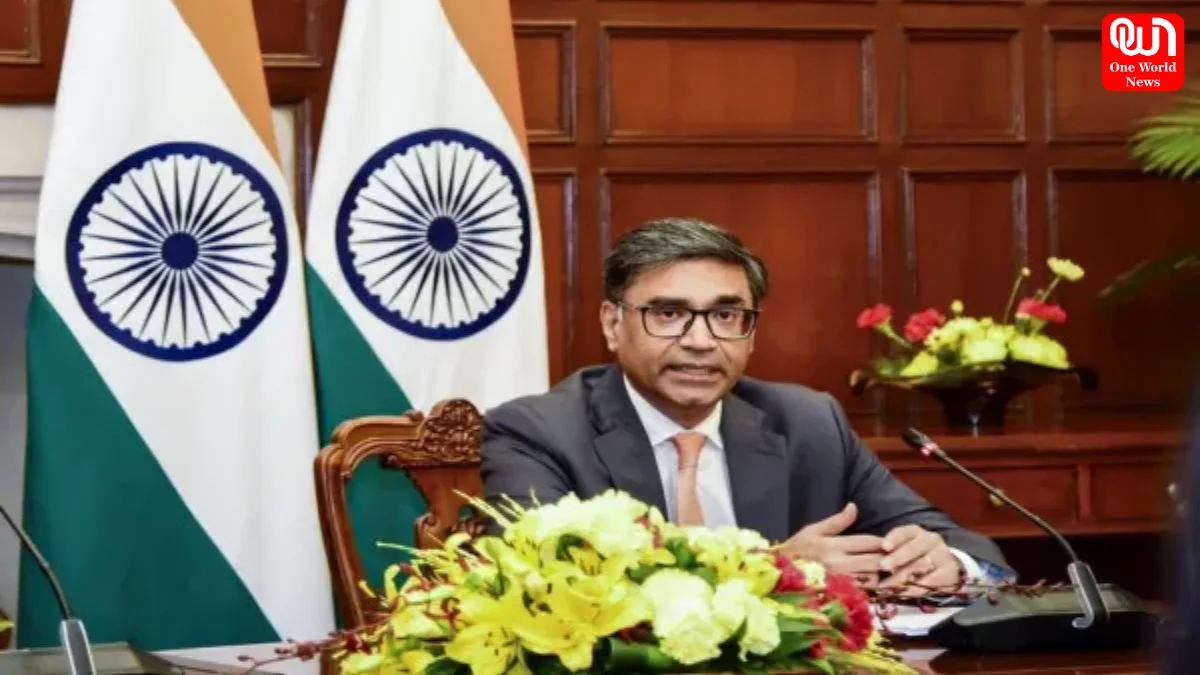
The statement “India Only Country To Lose Mariners At Hormuz” has drawn global attention after India’s Foreign Secretary highlighted the country’s unique and tragic position during high-level international discussions on the ongoing Iran conflict. The remark was made during UK-led talks involving over 60 nations, focused on restoring stability and reopening the strategically crucial Strait of Hormuz.
India’s Foreign Secretary, Vikram Misri, emphasized that India is the only nation so far to have lost its citizens in the ongoing maritime crisis linked to the Iran war. According to official data, at least three Indian sailors working on foreign-flagged merchant vessels have lost their lives due to attacks in the region.
This development has added a human dimension to what is otherwise being seen as a geopolitical and economic crisis.
India Only Country To Lose Mariners At Hormuz: A Human Cost of War
While many countries are facing economic disruptions due to the closure of the Strait of Hormuz, India’s situation is particularly severe. The loss of mariners underscores the risks faced by Indian seafarers who form a significant portion of the global maritime workforce.
The Strait of Hormuz is one of the world’s most important oil transit chokepoints, handling a large share of global energy shipments. Any disruption not only affects oil prices but also endangers commercial shipping and crew members.
India’s Foreign Secretary stressed that the deaths of Indian sailors highlight the urgent need for ensuring maritime safety and freedom of navigation. He reiterated that targeting commercial shipping is unacceptable and must be addressed through coordinated international action.
UK-Led Iran War Talks: Focus on Diplomacy Over Military Action
The UK-led meeting brought together more than 60 countries to discuss ways to reopen the Strait of Hormuz and reduce tensions in the Middle East. The talks largely focused on diplomatic and political solutions rather than military intervention.
India used this platform to reinforce its long-standing position — that dialogue and de-escalation are the only viable solutions to the crisis. Misri emphasized that returning to diplomacy is essential to prevent further escalation and loss of life.
Read more: Gold and Silver Prices Today See Mild Decline in Domestic and Global Markets
Global leaders at the meeting also discussed the broader consequences of the conflict, including rising fuel prices, disrupted supply chains, and threats to food security.
Energy Security Concerns for India
Another key point raised under the theme India Only Country To Lose Mariners At Hormuz was the impact on India’s energy security. The country relies heavily on oil imports from the Middle East, and disruptions in the Strait of Hormuz directly affect supply stability.
The ongoing conflict has already caused fluctuations in global oil prices and delayed shipments. For a fast-growing economy like India, such disruptions can have far-reaching consequences, including inflation and economic slowdown.
India has been actively engaging with Iran and other stakeholders to ensure safe passage for its vessels and maintain energy supplies.
Global Crisis, But Unique Indian Impact
Although many nations have ships stranded and trade affected, India’s loss of mariners sets it apart. The Foreign Secretary’s statement — India Only Country To Lose Mariners At Hormuz — serves as a reminder that the crisis is not just about geopolitics but also about human lives.
The international community has acknowledged the seriousness of the situation, with discussions around humanitarian corridors and coordinated efforts to secure maritime routes.
Read more: Political Roundup: Top Headlines Shaping the Nation Today
However, concrete solutions remain limited, and the situation continues to evolve.
India’s Diplomatic Approach
India has maintained a balanced and neutral stance throughout the Iran conflict. It has avoided taking sides while actively advocating for peace and stability in the region.
The country has also deployed naval assets in nearby waters to monitor the situation and assist Indian vessels if required. At the same time, diplomatic channels remain open with all parties involved.
This approach reflects India’s broader strategy of safeguarding its national interests while contributing to global stability.
Conclusion
The phrase India Only Country To Lose Mariners At Hormuz captures the gravity of India’s position in the ongoing Iran crisis. While the world debates economic and strategic implications, India has already paid a human price.
The Foreign Secretary’s statement at the UK-led talks has brought attention to the urgent need for maritime safety, diplomatic resolution, and international cooperation. As the situation unfolds, India’s focus remains clear — protecting its citizens, securing energy supplies, and pushing for peace in one of the world’s most volatile regions.
The crisis at the Strait of Hormuz is far from over, but India’s message to the global community is firm: dialogue, not conflict, is the only sustainable path forward.
We’re now on WhatsApp. Click to join.
Like this post?
Register at One World News to never miss out on videos, celeb interviews, and best reads.