Arvind Kejriwal Seeks Judge’s Recusal In Excise Policy-Linked Case, Set To Argue Before HC Today
In a significant legal development, Arvind Kejriwal has approached the Delhi High Court seeking the recusal of a judge in connection

Arvind Kejriwal Moves Recusal Plea In Excise Policy-Linked Case, To Personally Argue Before Delhi High Court Today
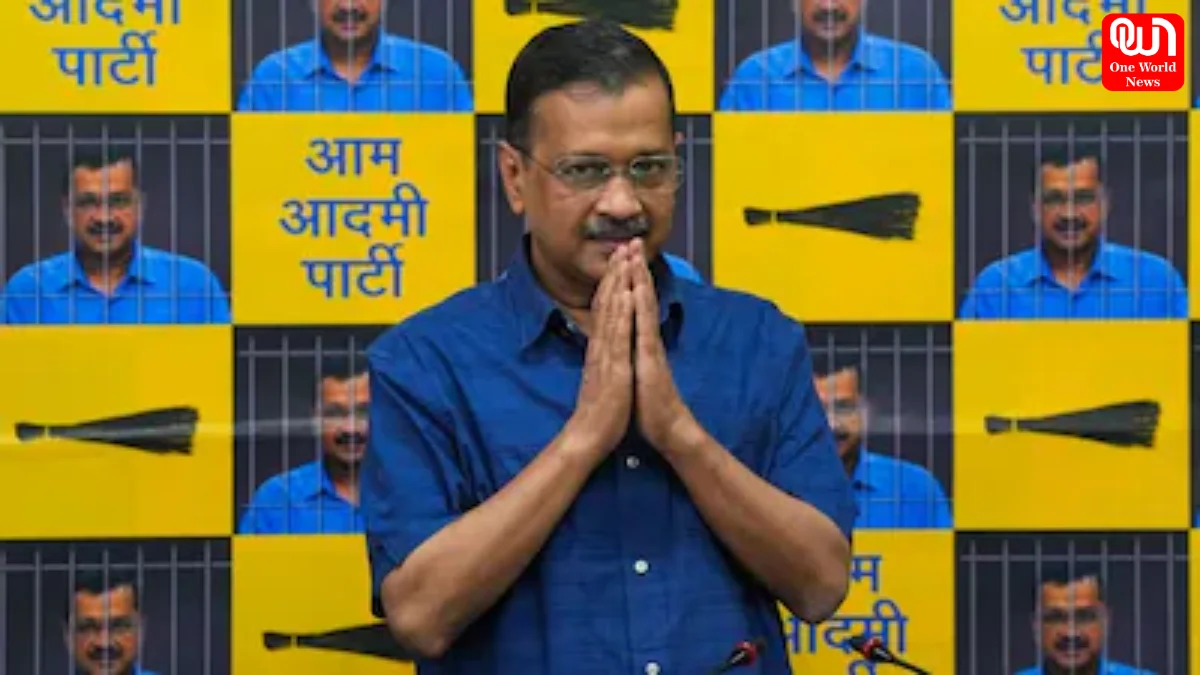
In a significant legal development, Arvind Kejriwal has approached the Delhi High Court seeking the recusal of a judge in connection with the ongoing Excise Policy-Linked Case. The former Delhi Chief Minister is also set to argue the matter personally before the court, marking a notable moment in the high-profile legal battle.
The case stems from allegations surrounding the now-scrapped Delhi excise policy, which has been under scrutiny by central investigative agencies, including the Central Bureau of Investigation (CBI) and the Enforcement Directorate (ED). While a trial court had earlier discharged Kejriwal and several others in the case, the matter continues to evolve following appeals and legal challenges by investigative agencies.
Background of the Excise Policy-Linked Case
The Excise Policy-Linked Case revolves around alleged irregularities in the formulation and implementation of Delhi’s liquor policy. Authorities have claimed that certain provisions of the policy may have benefited specific entities, raising concerns about corruption and procedural lapses. However, Kejriwal and his party have consistently denied all allegations, calling the case politically motivated.
Earlier this year, a trial court discharged Kejriwal and 22 other accused individuals, citing insufficient evidence to proceed with charges. This decision was seen as a major relief for the Aam Aadmi Party (AAP) leadership. However, the CBI subsequently challenged this discharge order in the Delhi High Court, bringing the matter back into legal focus.
Why Kejriwal Is Seeking Recusal
The latest development involves Kejriwal filing a plea seeking the recusal of Justice Swarana Kanta Sharma from hearing the case. The plea is based on what has been described as a “reasonable apprehension” of bias. According to submissions made by Kejriwal and other co-accused, certain observations made by the judge in earlier proceedings raised concerns about the possibility of an impartial hearing.
Read more: Jaipur Pink Elephant Dies: Viral Photoshoot Sparks Serious Animal Safety Concerns
Kejriwal has argued that these observations were made at a preliminary stage, without allowing the defense to fully present its arguments. As a result, he believes that continuing with the same bench may not ensure a fair judicial process. This has led to the formal request for the judge to recuse herself from the case.
Legal experts note that recusal pleas are not uncommon in high-stakes cases, especially when parties perceive potential bias. However, such requests are evaluated carefully by courts, as they also involve maintaining the integrity and independence of the judiciary.
Personal Appearance Before the High Court
Adding another layer of significance to the case, Kejriwal has chosen to appear in person before the Delhi High Court to argue his plea. This move is relatively rare for a political leader of his stature and indicates the importance he attaches to the matter.
According to reports, Kejriwal is expected to present his arguments directly before the bench, emphasizing concerns about fairness and judicial neutrality. His decision to argue the case himself has drawn attention from both legal and political circles, with many viewing it as a strategic and symbolic step.
Legal and Political Implications
The outcome of the recusal plea could have significant implications for the trajectory of the Excise Policy-Linked Case. If the court accepts the request, the matter may be reassigned to another judge, potentially altering the course of the proceedings. On the other hand, if the plea is rejected, the current bench will continue to hear the case.
Politically, the case remains a flashpoint between the Aam Aadmi Party and its critics. Opposition parties have questioned Kejriwal’s actions, while AAP has maintained that the case is an attempt to target its leadership.
What Lies Ahead
As the Delhi High Court takes up the matter, all eyes will be on the proceedings and the arguments presented by Kejriwal. The court’s decision on the recusal plea will be crucial in determining the next steps in the Excise Policy-Linked Case.
With legal complexities and political stakes intertwined, the case continues to be one of the most closely watched developments in India’s current legal and political landscape. The coming hearings are expected to provide greater clarity on both procedural and substantive aspects of the case.
For now, Arvind Kejriwal’s decision to seek recusal and argue personally underscores the intensity of the legal battle surrounding the Excise Policy-Linked Case, as it heads into another critical phase before the Delhi High Court.
We’re now on WhatsApp. Click to join.
Like this post?
Register at One World News to never miss out on videos, celeb interviews, and best reads.