India Gets 30-Day Waiver From US to Purchase Russian Oil Amid Iran War
India Gets 30-Day Waiver From US to Purchase Russian Oil as Middle East tensions disrupt global supply and energy markets.

India Gets 30-Day Waiver From US to Purchase Russian Oil Amid Iran War and Global Energy Supply Concerns
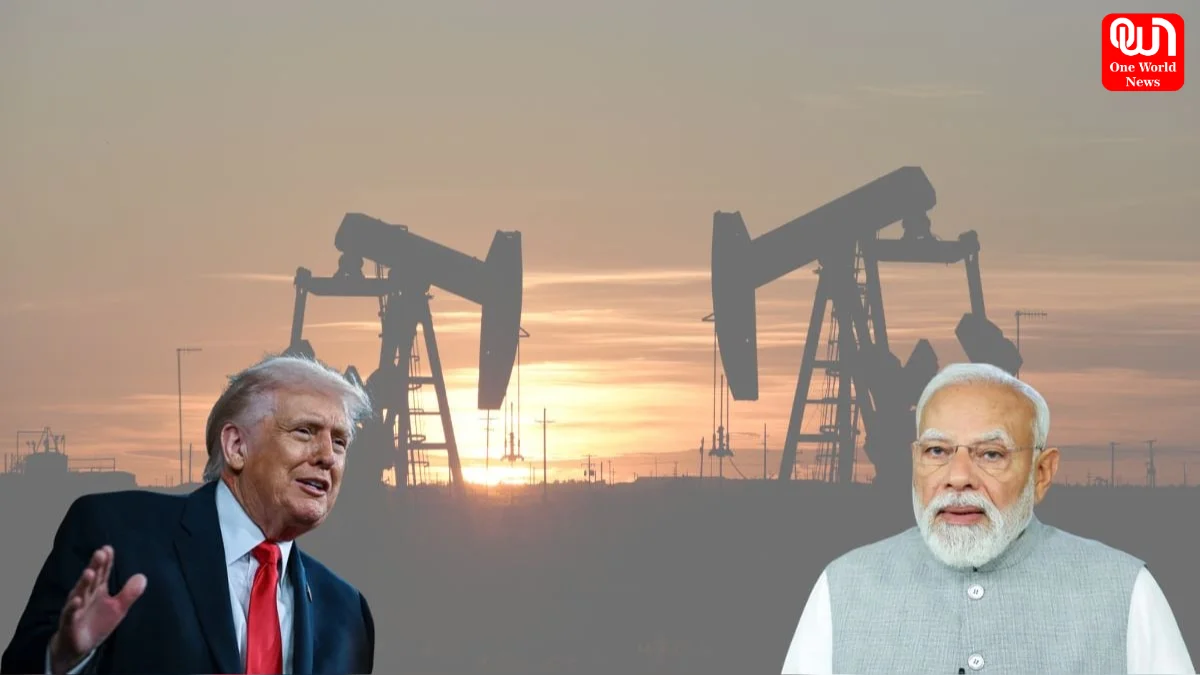
March 6, 2026: In a significant geopolitical development, India Gets 30-Day Waiver From US allowing its refiners to Purchase Russian Oil amid escalating tensions in the Middle East and the ongoing Iran war. The temporary waiver aims to stabilize global energy markets and ensure that oil continues to flow despite disruptions affecting key supply routes.
The decision comes as the global oil market faces uncertainty due to conflict in the region and concerns over shipping disruptions through the Strait of Hormuz, one of the world’s most critical energy chokepoints. Nearly 20% of global oil shipments pass through this narrow waterway, making any disruption there a major concern for energy-importing nations like India.
Why the US Granted the Waiver
According to officials from the US Treasury Department, the waiver is designed as a short-term measure to prevent supply shortages and price spikes in the global oil market. The waiver allows Indian refiners to purchase Russian crude that is already “stranded at sea”, meaning shipments that were already in transit or awaiting buyers.
US Treasury Secretary Scott Bessent stated that the decision was taken to keep oil flowing into global markets while minimizing financial benefits to Russia. Because the waiver only covers oil already transported or stored offshore, it is not expected to significantly boost Russia’s revenue.
Energy analysts believe the move reflects the delicate balance the United States must maintain between enforcing sanctions on Russia and preventing a global energy crisis.
Impact of the Iran War on Oil Markets
The waiver comes amid an intensifying conflict involving Iran that has disrupted production and shipping across parts of the Middle East. Military strikes and retaliatory actions in the region have created uncertainty around tanker routes and refinery operations.
One of the biggest concerns is the potential blockade or disruption of the Strait of Hormuz, which serves as a vital corridor for oil shipments from Gulf countries to the rest of the world. Any restriction there could significantly reduce global oil supply and drive prices higher.
Read more: Political Roundup: Parliament Tensions, Election Push and Global Talks
In recent days, oil prices have surged due to fears of supply shortages, making stable supply lines essential for major energy importers like India.
Why Russian Oil Matters for India
India is one of the world’s largest importers of crude oil and relies heavily on international suppliers to meet its energy needs. Since 2022, Russian crude has become an important part of India’s energy mix because it is often available at discounted prices compared to global benchmarks.
For Indian refiners, purchasing Russian oil helps maintain stable fuel prices domestically and supports the country’s rapidly growing economy. However, these purchases have sometimes placed India in a complex diplomatic position, as Western countries continue to impose sanctions on Russia.
The 30-day waiver temporarily eases these pressures, allowing India to secure energy supplies while global markets remain unstable.
Strategic Balance Between Global Powers
India’s energy strategy has long been based on diversification — buying oil from multiple countries to reduce dependence on any single supplier. The current waiver highlights the delicate balancing act India performs between its relationships with the United States, Russia, and other global powers.
While the US remains one of India’s key strategic partners, Russia has historically been an important defense and energy partner for New Delhi. Decisions related to energy trade therefore often reflect both economic necessity and diplomatic strategy.
The waiver also signals Washington’s recognition of India’s importance in maintaining stability in global energy markets.
Political Reactions and Debate
The decision has also sparked political debate in India. Some opposition leaders have criticized the government’s reliance on US approvals for energy purchases, arguing that India should maintain full independence in its foreign policy decisions.
At the same time, analysts note that the waiver reflects the reality of today’s interconnected global economy, where energy security often requires cooperation between major nations.
What Happens After the 30 Days?
The waiver is intentionally limited to 30 days, suggesting that the United States views it as a temporary solution rather than a long-term policy shift. During this period, Indian refiners are expected to secure supplies already available in international waters while exploring alternative sources of crude.
read more: Latest Update on Gold Price and Silver Today in the Indian Bullion Market
If tensions in the Middle East continue or escalate, additional diplomatic negotiations may be required to maintain stable energy flows.
The Bigger Picture
The announcement that India Gets 30-Day Waiver From US to Purchase Russian Oil underscores how geopolitics, energy security, and global markets are deeply interconnected. The Iran war, sanctions on Russia, and strategic alliances between nations are all shaping how energy moves across the world.
For India, the waiver offers short-term relief and stability. For the global economy, it highlights the constant challenge of balancing political pressure with the need to keep energy supplies flowing.
We’re now on WhatsApp. Click to join.
Like this post?
Register at One World News to never miss out on videos, celeb interviews, and best reads.