India-EU Trade Deal To Fulfil Aspirations Of Atmanirbhar Bharat: PM Modi
PM Modi says the India-EU Trade Deal will fulfil aspirations of Atmanirbhar Bharat and boost opportunities for industry, youth, and global competitiveness.

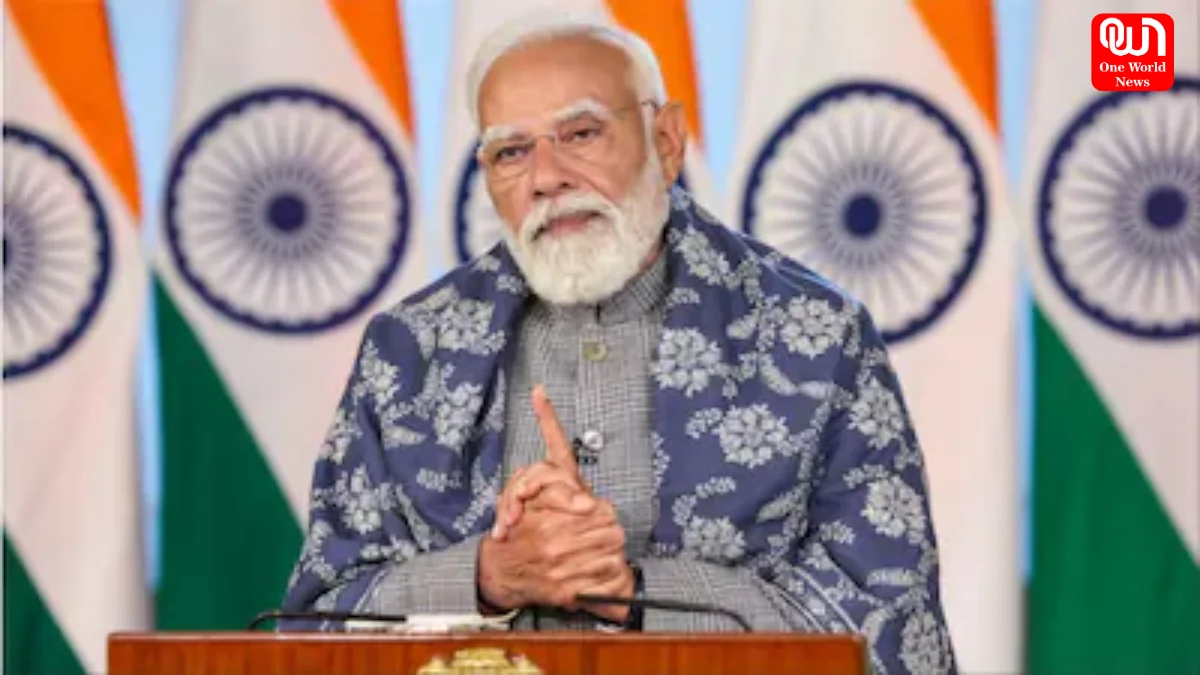
‘India-EU Trade Deal To Fulfil Aspirations Of Atmanirbhar Bharat’: PM Modi Highlights Vision on Day 2 of Budget Session
On Day 2 of the 2026 Budget Session, Prime Minister Narendra Modi underlined the strategic importance of the India-EU Trade Deal as a key driver for fulfilling the aspirations of Atmanirbhar Bharat, highlighting its potential to reshape India’s economic trajectory and global trade footprint.
Addressing the media at Parliament House in New Delhi, Modi described the recently concluded India-European Union Free Trade Agreement (FTA) — often dubbed the “mother of all deals” — as a monumental opportunity for Indian business, industry, farmers, and especially the youth.
India-EU Trade Deal: A Landmark Agreement
After nearly two decades of negotiations, India and the European Union have agreed on a comprehensive trade pact aimed at significantly lowering or eliminating tariffs on a broad range of goods and services. The agreement, signed in January 2026, covers key sectors including manufacturing, textiles, chemicals, machinery, and more, potentially doubling trade volumes between India and the EU.
Prime Minister Modi emphasised that this historic deal marks an important milestone in India’s economic journey, especially as the nation positions itself as a confident and competitive global player. He reiterated that lower trade barriers will open the vast European market to Indian exporters while providing Indian consumers access to quality European products at lower costs.
Read more: Union Budget 2026: Date, Time and How to Watch the Budget Speech Live
Fueling Atmanirbhar Bharat
Central to Modi’s remarks was the message that the India-EU Trade Deal aligns with the government’s flagship vision of Atmanirbhar Bharat (self-reliant India). By integrating Indian producers more deeply into global supply chains, the agreement is expected to boost domestic manufacturing, enhance global competitiveness, and create new jobs across key sectors.
The Prime Minister urged Indian manufacturers to seize the opportunity presented by the expanded market access. “Now that the market of 27 EU member countries is opening up, our focus must be on quality. Indian goods must be competitive, innovative, and of world-class standards,” he affirmed, signalling that quality will be a cornerstone of India’s export strategy going forward.
Modi also linked the trade deal to opportunities for Indian youth, positioning it as a catalyst for new employment possibilities and entrepreneurial growth. By expanding access to European markets, the pact could empower young innovators, start-up ecosystems, and skilled professionals across sectors such as technology, services, and manufacturing.
Boost to India’s Economic Momentum
Speaking against the backdrop of the Budget Session, the Prime Minister said the deal injects fresh momentum into India’s reform agenda and economic policy direction. The FTA, he noted, reflects the government’s broader emphasis on structural transformation — one that balances global engagement with domestic capability enhancement.
Modi also stated that the beginning of the Budget Session alongside this major international trade agreement sets a confident tone for India’s economic policy in 2026. As Finance Minister Nirmala Sitharaman prepared to present India’s Budget for the ninth consecutive time, the Prime Minister was optimistic that economic reforms would continue to accelerate growth and strengthen India’s position in the global market.
What the Deal Means for India’s Trade
Analysts say the India-EU Trade Deal could significantly expand export opportunities for Indian industries such as textiles, leather goods, automotive components, pharmaceuticals, and IT services. By reducing tariff barriers and streamlining trade protocols, Indian firms may find it easier to compete with regional competitors while accessing a bloc that accounts for a significant share of global GDP.
Moreover, the agreement is expected to encourage greater foreign direct investment (FDI) into India, as European companies eye deeper market integration and joint ventures in sectors ranging from sustainable technologies to advanced manufacturing. This expanded engagement aligns with the government’s goal of positioning India as a global investment and innovation hub.
Challenges and Future Outlook
Despite the optimism, stakeholders note that successful implementation will require Indian industries to continuously enhance quality standards and embrace innovation. Trade experts emphasize that as tariff barriers reduce, competition will intensify — prompting the need for stronger quality control, supply chain efficiency, and compliance with international norms.
For policymakers, the task ahead includes ensuring that the benefits of the deal reach micro, small, and medium enterprises (MSMEs), rural exporters, and sectors historically constrained by regulatory or infrastructural bottlenecks.
Read more: Pakistan Boycott India At T20 WC? Explained
Conclusion
As the India-EU Trade Deal emerges as a linchpin of India’s global trade strategy, PM Modi’s remarks on Day 2 of the Budget Session underscore its significance as more than a commercial pact — it is a transformational lever for Atmanirbhar Bharat. By opening new markets, fostering competitiveness, and strengthening global linkages, the agreement stands to fulfil the aspirations of a self-reliant India poised for higher growth and global influence.
We’re now on WhatsApp. Click to join.
Like this post?
Register at One World News to never miss out on videos, celeb interviews, and best reads.